What TV doesn't, print can't; we deliver.
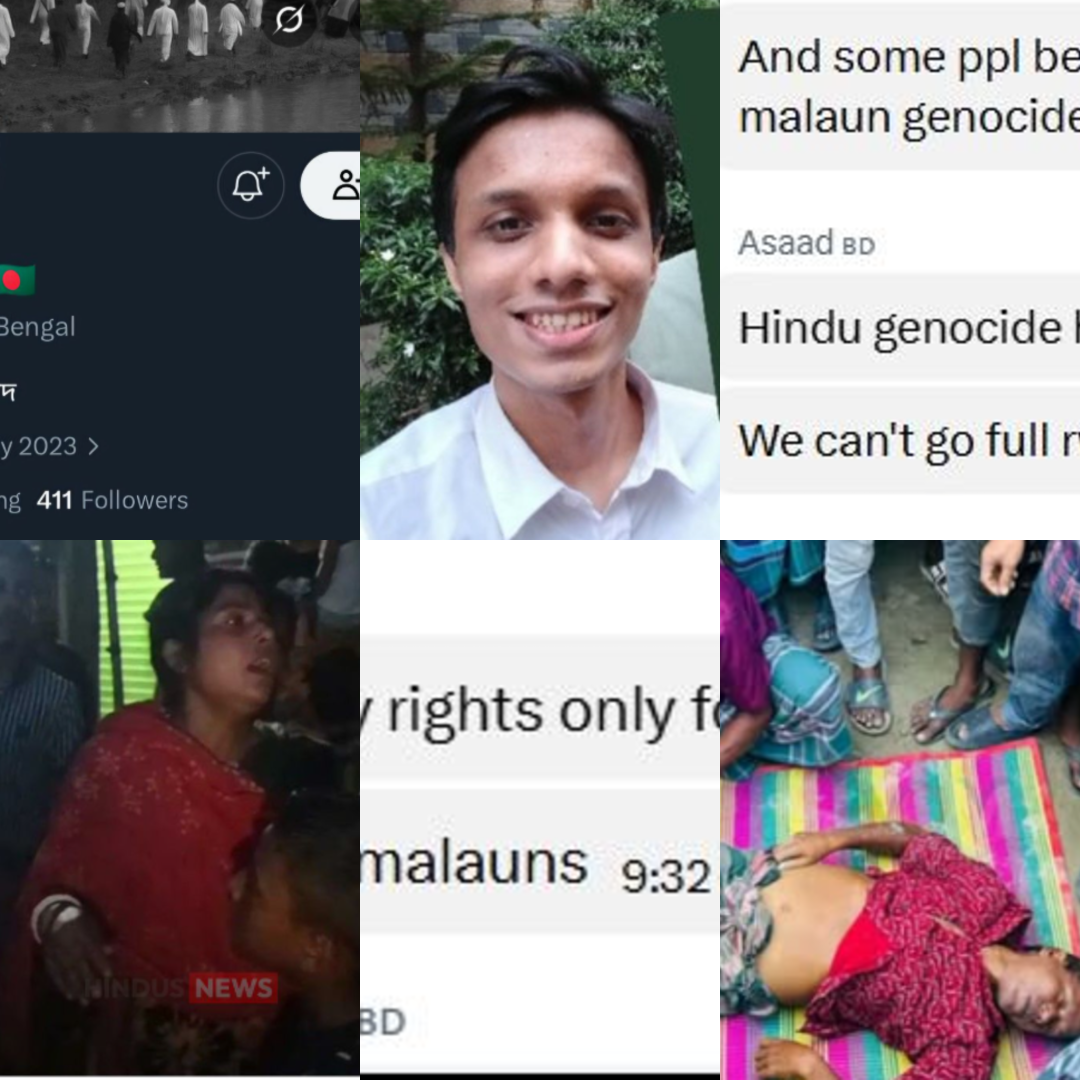
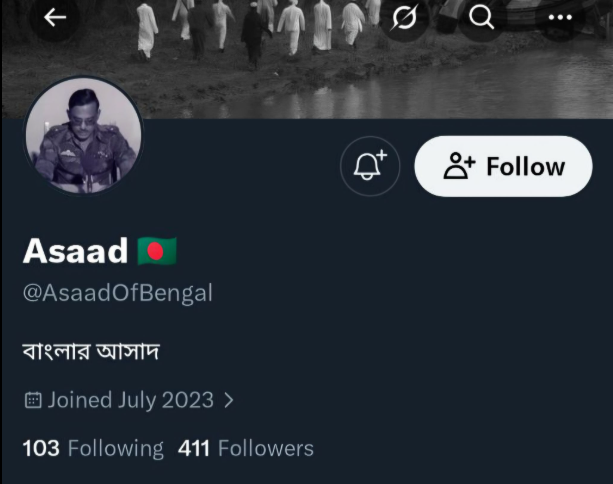
Assad Ul Haq, an activist reportedly living in Dhaka’s Muhammadpur neighbourhood, has advocated the “subtle” genocide of Hindus in Bangladesh. A former administrator of the X account @BangaliMusolman, had been using social media to minimise atrocities against Hindus while advocating for the interests of Muslims in India.

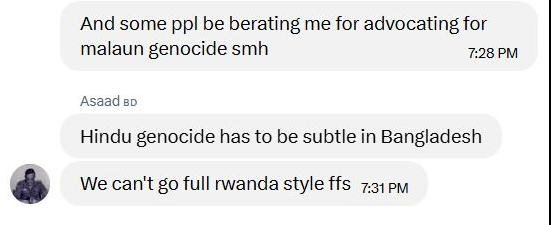
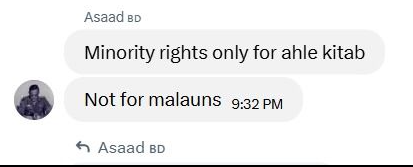
He has repeatedly asserted that only Muslims in India deserved minority rights, while dismissing any such entitlement for “malauns”, a derogatory slur used against Bangladeshi Hindus.
More disturbing are allegations that he advocated a sustained campaign of hatred designed to make Hindus increasingly vulnerable to attacks over trivial disagreements. According to the allegations, the objective was to cultivate such hostility that individual perpetrators would feel emboldened to commit violence with little provocation.
Following pressure from local journalists, Assad has reportedly deactivated his social media accounts. But deactivation is not accountability.
Recent reported incidents involving Hindu victims in Bangladesh raise urgent questions about the environment in which such hostility can flourish.
On 25th October, school headmaster Manoranjan Roy was mob-lynched while attempting to mediate a neighbourhood dispute over the price of constructing a boundary fence in Mollapara village of Dinajpur district. According to local media reports, the mob assaulted Roy after he was branded as a person with “questionable morals” by a neighbour Assaduzzaman.
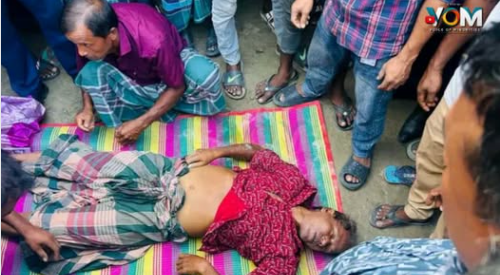
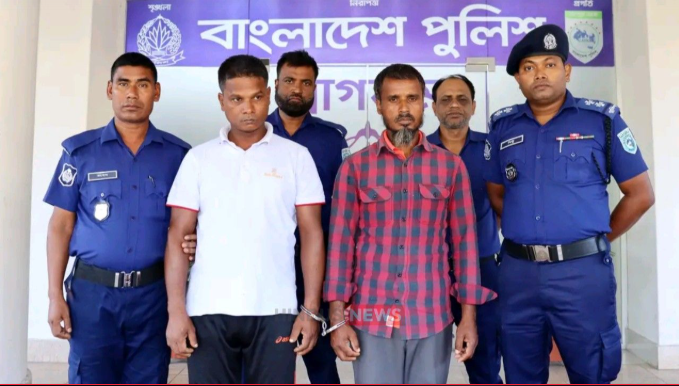
Hindu youth Shyamal Sharma was mob-lynched following an argument on 27th October. The following day, businessman and saloon owner N.R. Rishi was stabbed to death after refusing to provide a free haircut and demanding repayment of money owed to him in Bhaluka of Mymensingh district . His murderer Saddam Hossain kept attacking him repeatedly with a knife until he was dead.
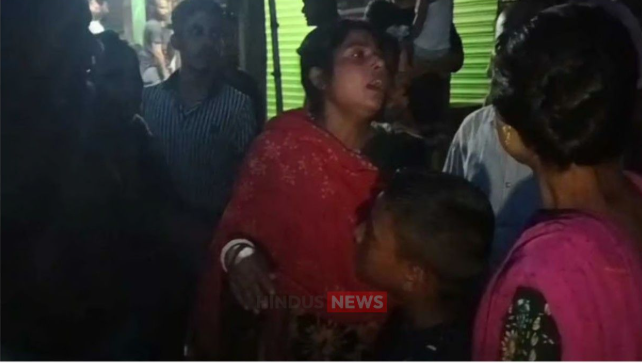
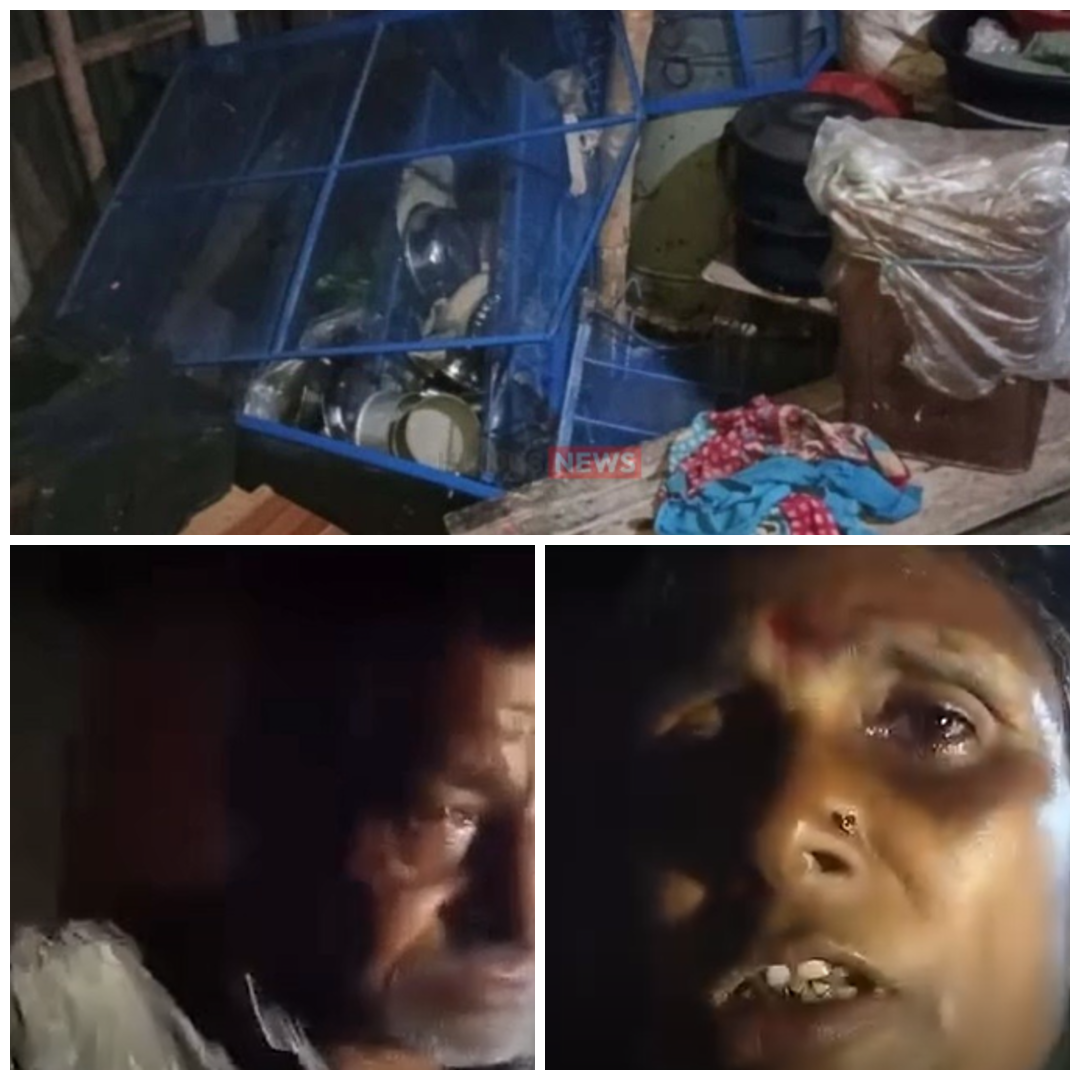
Meanwhile, overtly communal incidents are also being reported continously. An Islamist mob of 50-60 had looted and vandalised the homes of three Hindu families in Chak Karim village of Pirganj over unverified blasphemy allegation on 27th October. A Kirtan festival organised by Hindu tea-garden workers in Khejurichhara was reportedly obstructed without any credible justification on 28th October.
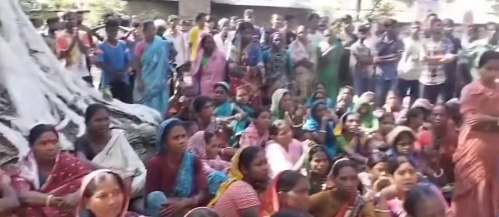
Overt religious persecution is comparatively easier to recognise. A vandalised temple, a looted Hindu household or an obstructed religious gathering leaves identifiable evidence. The more insidious danger lies in the steady construction of a social environment in which a Hindu’s dignity becomes negotiable and violence against Hindus becomes easier to excuse.
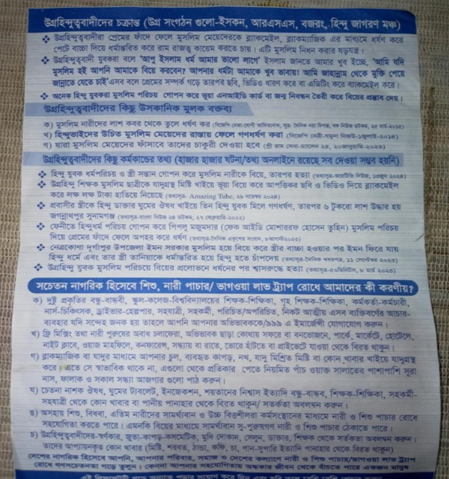
Evidence gathered since September 2024 indicates that hardline Islamist groups have engaged in coordinated and frequent grassroots-level mobilisation, including leaflet distribution and local gatherings extending from remote
villages to university campuses. These campaigns promote narratives that dehumanise Hindus and normalise hostility. This sustained ideological environment has been repeatedly observed to translate into acts of violence arising from minor disputes or everyday interactions throughout Bangladesh in the form of murder, assault, abduction, and property destruction by Minority Rights Organisations like The Hindu Buddhist Christian Unity Council and Hindu Voice since at least November 2024. Such crimes are harder to detect and easier to dismiss as
law and order issues.
The most dangerous form of persecution is not always the spectacular massacre. Sometimes it is the slow erosion of the boundaries that make violence unacceptable until a neighbour’s dispute becomes a death sentence, a slur becomes social permission and an atrocity becomes just another law-and-order incident.