What TV doesn't, print can't; we deliver.
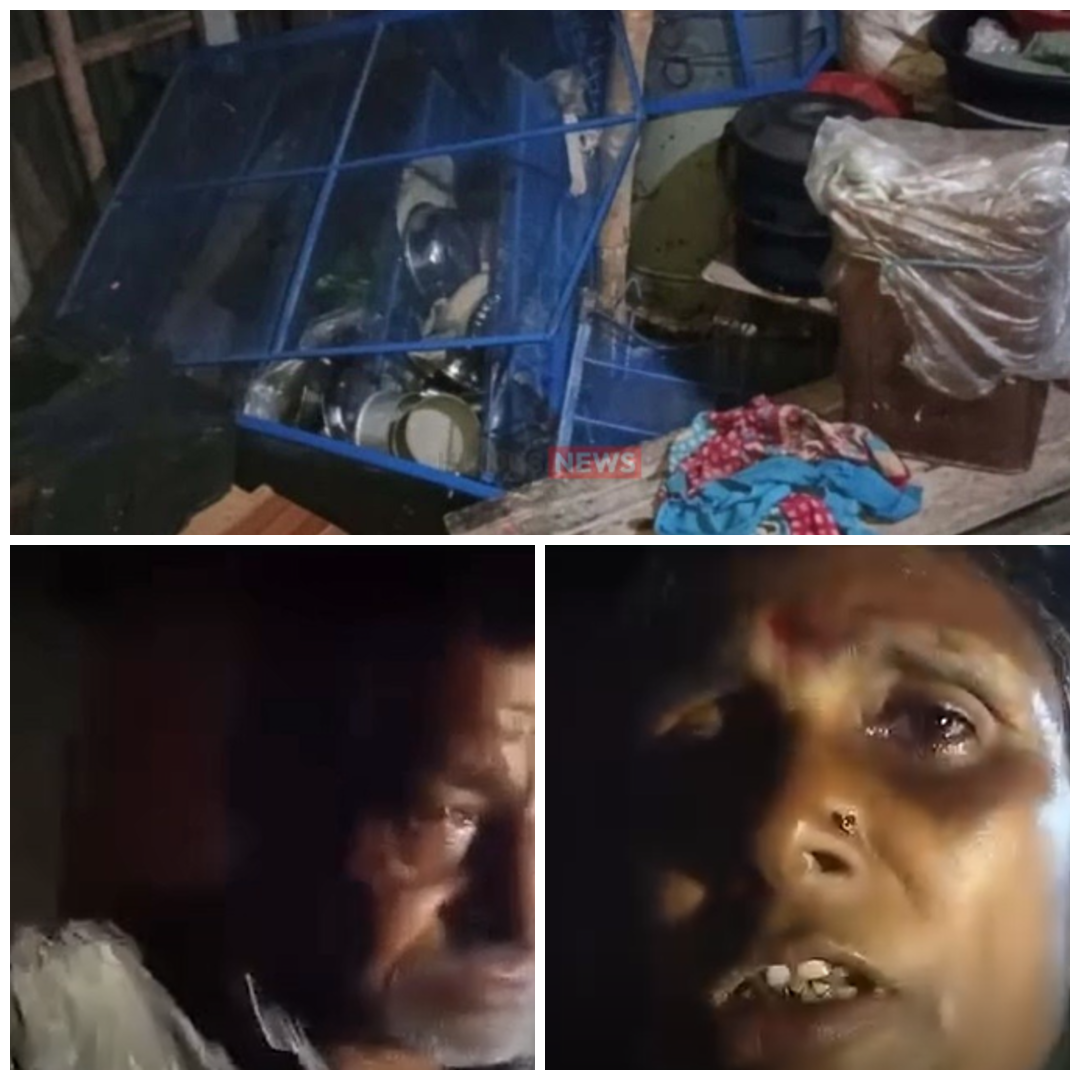
A mob of 50-60 Islamists descended on the Hindu neighbourhood of Chak Karim village under Bangladesh’s Pirganj Upazila on the evening of October 26 after an old video allegedly containing “blasphemous remarks” about the Quran resurfaced on social media.
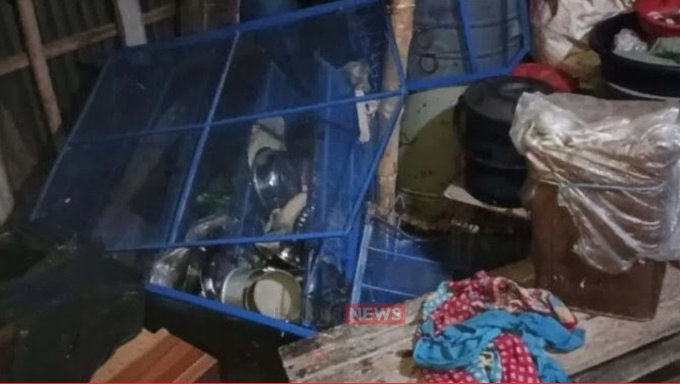
Three homes belonging to Sourav, his father Bishu and his uncle Jagadish Chandra were vandalised and looted. Electricity supplies were cut during the attack, leaving the victims vulnerable under darkness as their belongings, including furniture, televisions and cupboards, were damaged or stolen.
Police reportedly brought the situation under control, while Rangpur Superintendent of Police Mohammad Mozammel Haque and Pirganj’s Upazila Nirbahi Officer Abdullah Al Bakiul Bari visited the affected area. Additional police personnel were deployed to maintain order and efforts to identify and arrest those involved were reported.
These are necessary first steps, but restoring temporary calm is not enough. The affected families need effective protection against reprisals, the recovery of stolen property where possible, a transparent investigation and prosecution of those responsible on the basis of evidence. Authorities must also ensure that no innocent person is targeted through collective punishment or arrested merely to appease public anger.
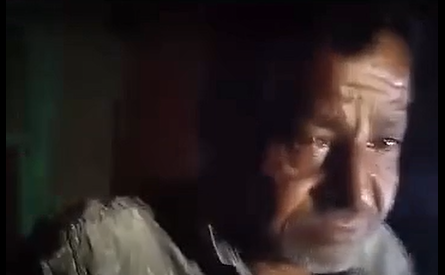
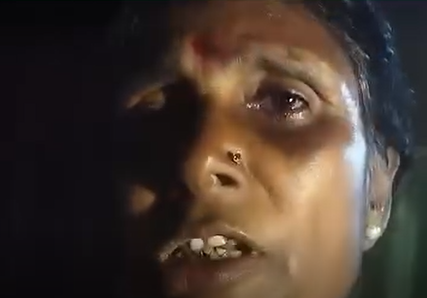
The test of the rule of law is not how firmly the state responds when a crowd is calm, but whether it protects vulnerable citizens when a mob claims moral or religious authority for its actions.
Bangladesh’s constitutional promise of equal citizenship must mean something in practice, especially for religious minorities. No citizen should have to wonder whether a viral allegation can cost their family its home, possessions or safety.