What TV doesn't, print can't; we deliver.
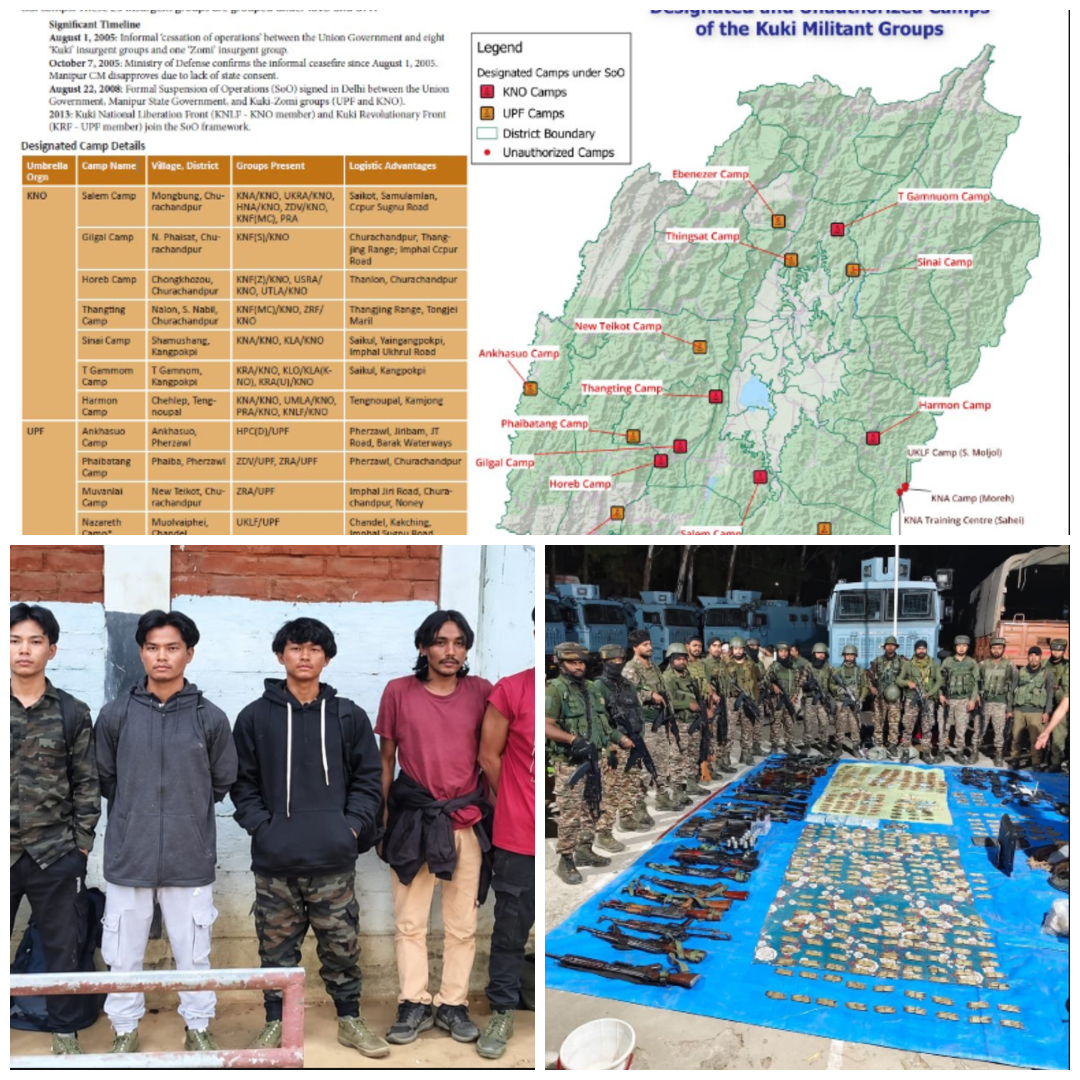
A joint operation by the Border Security Force (BSF), Central Reserve Police Force (CRPF), Manipur Police and CoBRA personnel on 23rd October has exposed disturbing violations of the Suspension of Operations (SoO) ground rules. 8 people posing as cadres of the Kuki National Army (KNA) and 9 more impersonating Kuki Liberation Army (KLA) cadres were arrested at Camp Sinai during this operation conducted after the Sunorok Ambush.
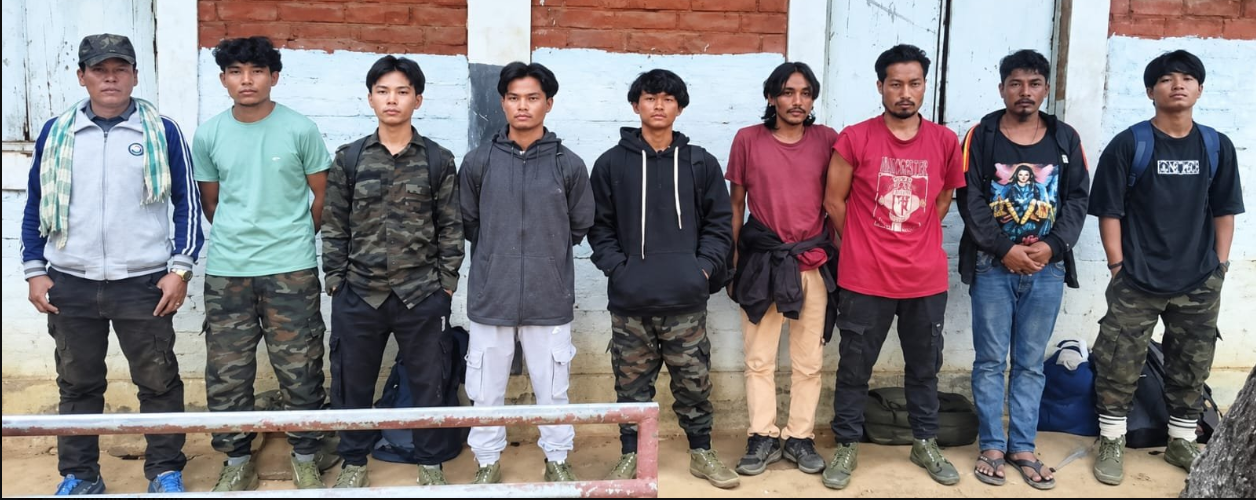
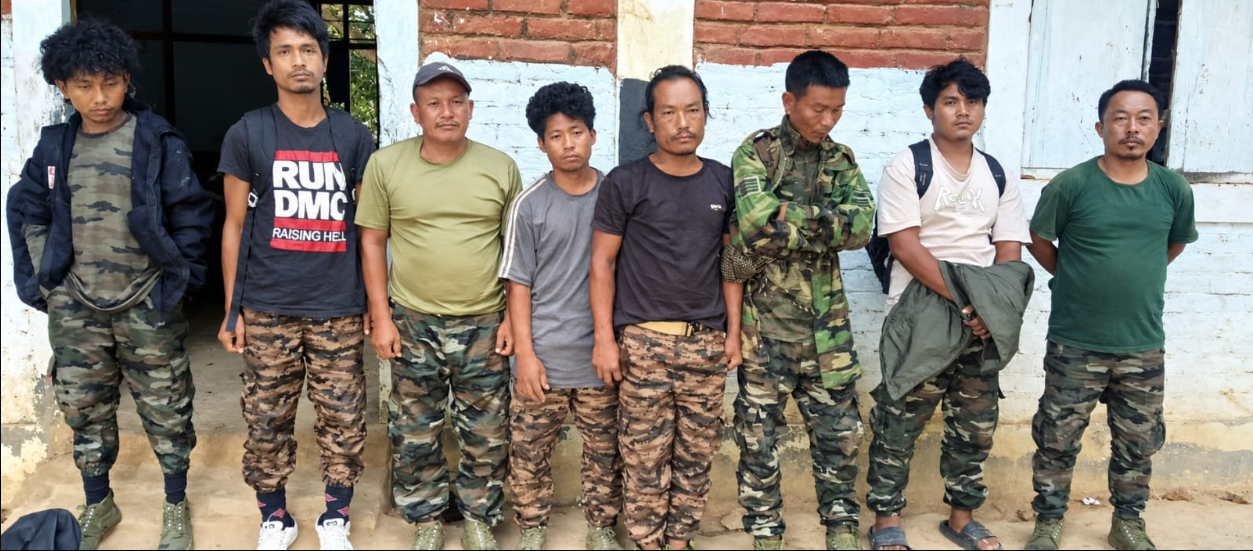
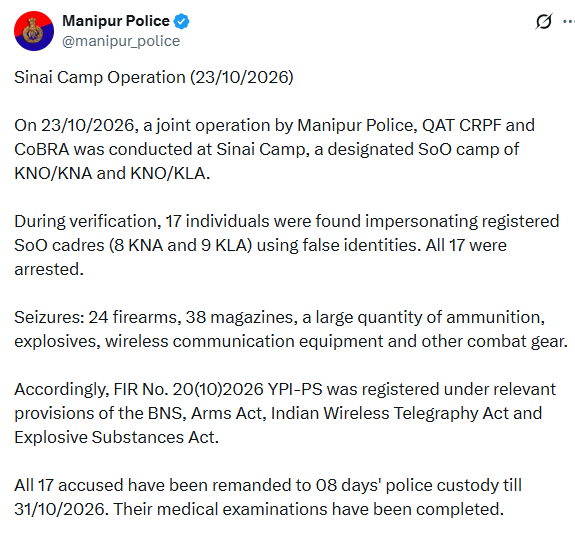
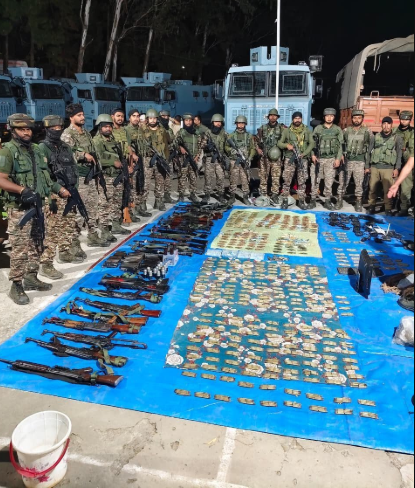
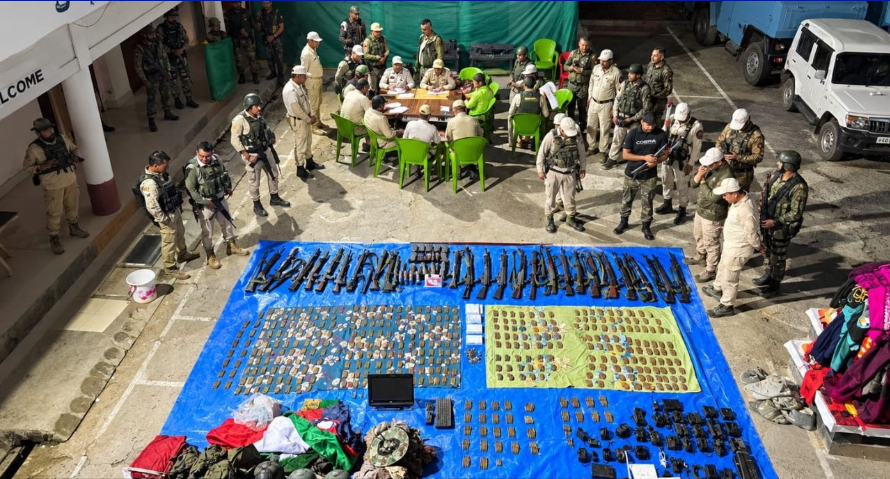
Of the 159 cadres reportedly expected at the camp, only one was found present. The operation yielded 24 firearms, 38 magazines, substantial ammunition, explosives, wireless communication equipment and other combat gear. The scale of these recoveries prompted CRPF personnel to take over Camp Sinai on 24 October.
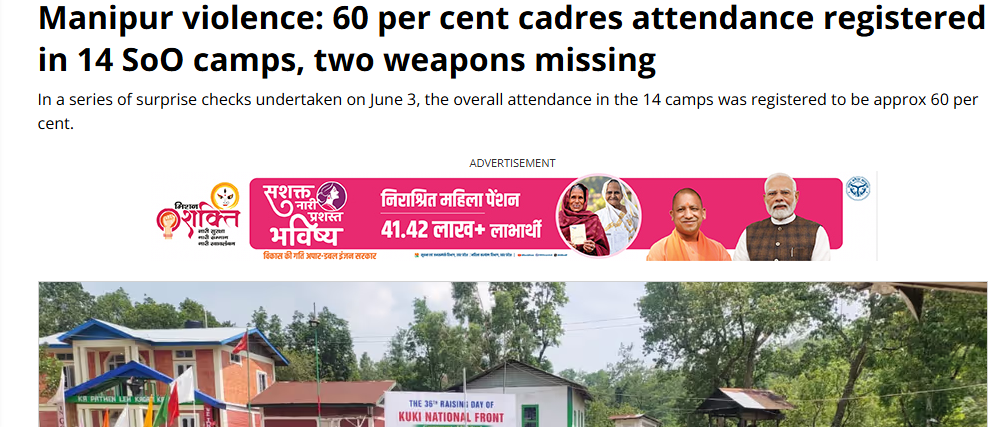
The warning signs have existed for years. A surprise inspection on 03.06.2023 found only 60% of SoO cadres inside their designated camps. Meanwhile, armed groups operating under the agreement have been accused of killing over a hundred people, including unarmed civilians and security personnel.
The Central Government subsequently announced stricter cadre verification, weapons control and closer monitoring during the latest renewal of the agreement. Some camps have also shifted to more remote locations. Yet tighter rules on paper have not translated into sufficiently effective enforcement on the ground.
According to available open-source intelligence (OSINT), approximately 2,181 armed Kuki extremists are associated with 14 SoO camps across Manipur, receiving a reported monthly stipend of ₹6,500 each from public funds.
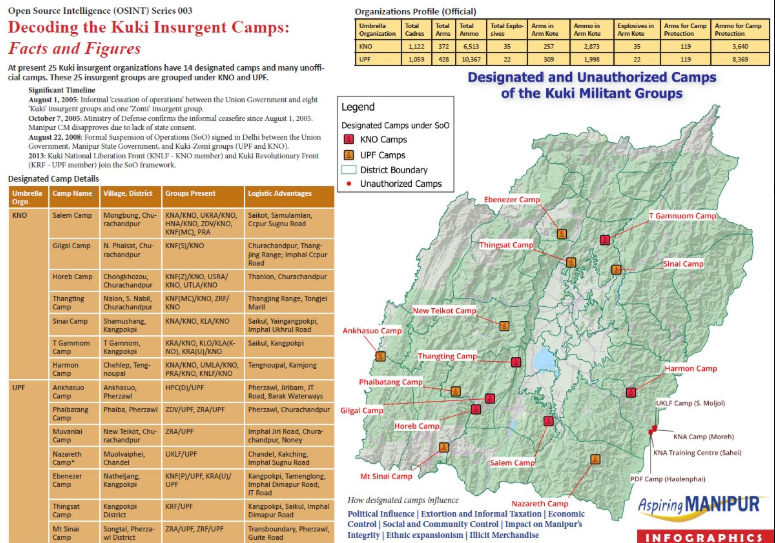
Although security personnel have announced an audit of all 14 SoO camps after observing the gross violations of ground rules at Camp Sinai, if inspections are announced or predictable, those concealing unauthorised personnel, weapons or other violations gain an opportunity to remove evidence or manufacture compliance. An audit conducted after sufficient warning may establish what remains—not necessarily what was there.
Camp Sinai exposes at least three critical weaknesses that demand immediate scrutiny:
The authorities must now move beyond reactive raids and promised audits. All camps require unannounced inspections, verified personnel rolls, rigorous weapons reconciliation and clear consequences for substantiated violations. Evidence must be preserved, responsibility established and enforcement applied consistently.
The reluctance to destabilise the ceasefire is understandable. But a ceasefire that cannot enforce its own ground rules risks becoming a mechanism that rewards non-compliance rather than restrains it. Peace cannot rest on the assumption that violations should be tolerated lest confronting them jeopardise negotiations.
The price of weak deterrence is not paid by those who design policy. It is paid by ordinary citizens in blood, livelihoods and shattered communities.