What TV doesn't, print can't; we deliver.
What TV doesn't, print can't; we deliver.
What TV doesn't, print can't; we deliver.
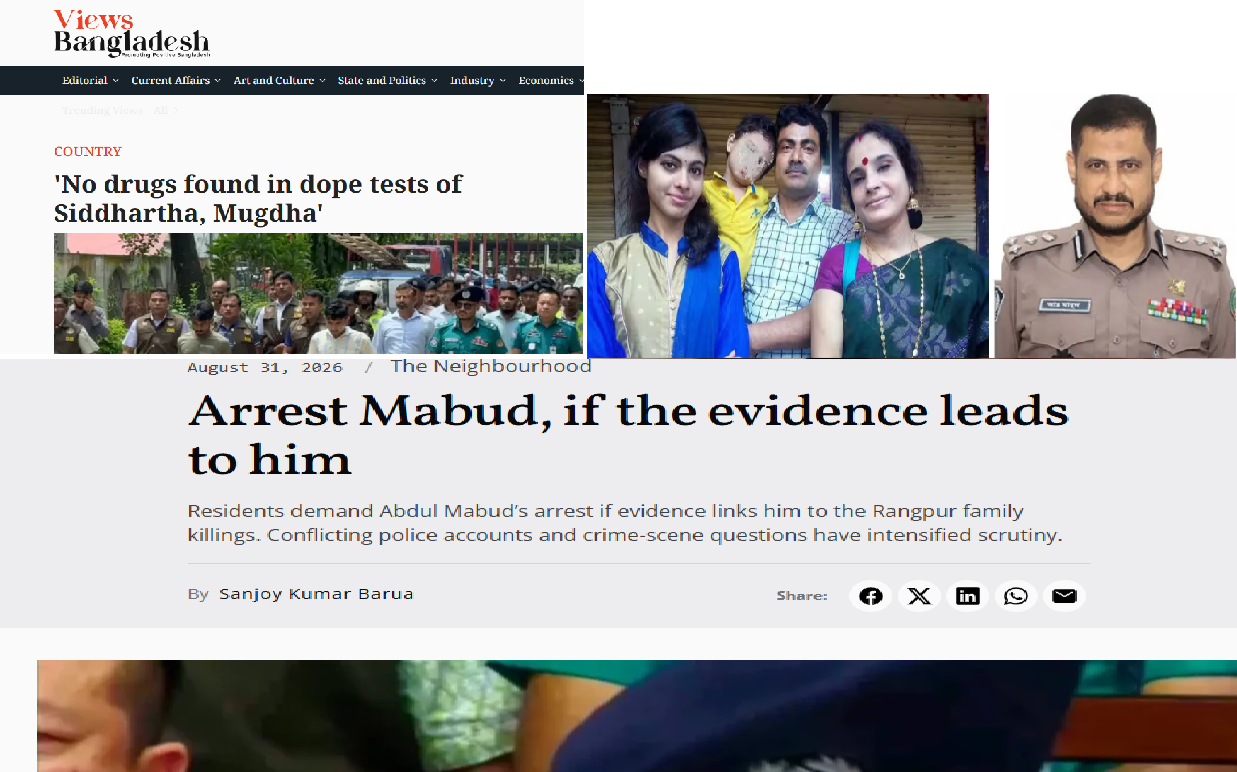
The latest development in the Rangpur quadruple murder case should force Bangladesh’s authorities to confront questions they may have preferred to avoid.
Drug tests conducted on Siddhartha Das and Mugdha Das have found no traces of drugs. Their urine samples were collected at Rangpur Central Jail on August 30 and tested at Rangpur Medical College Hospital. The results were received by police on the next day.
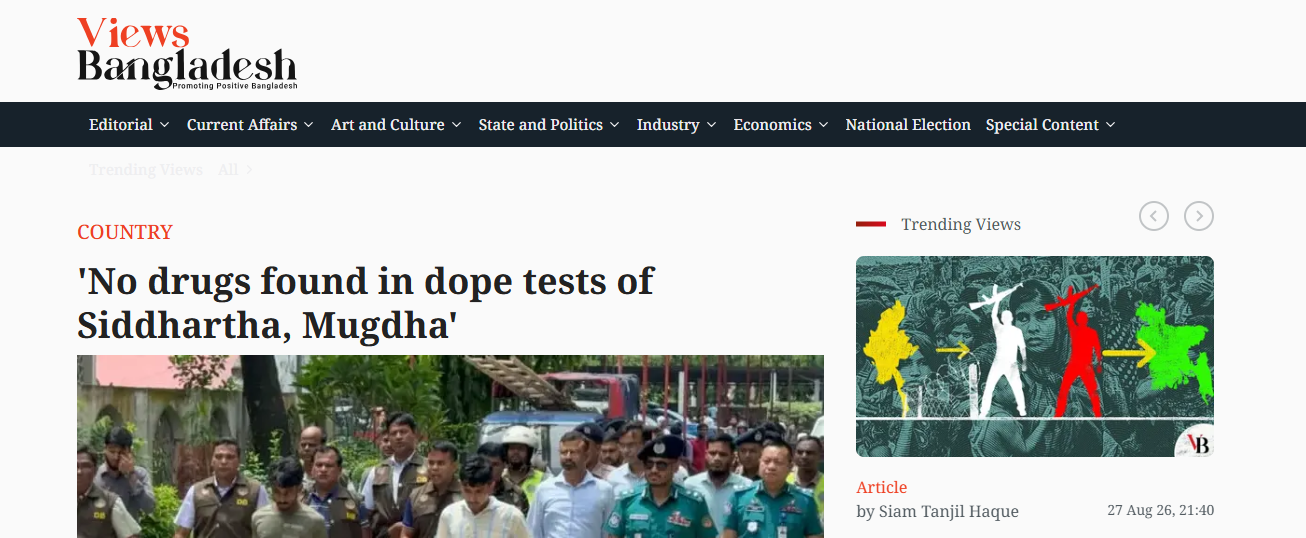
Police insist that the negative results do not undermine their investigation, arguing that the samples were collected roughly eight days after the killings and that drugs may no longer have been detectable. That explanation is medically plausible. But it does not answer why was drug intoxication presented so prominently as the apparent motive in the first place?
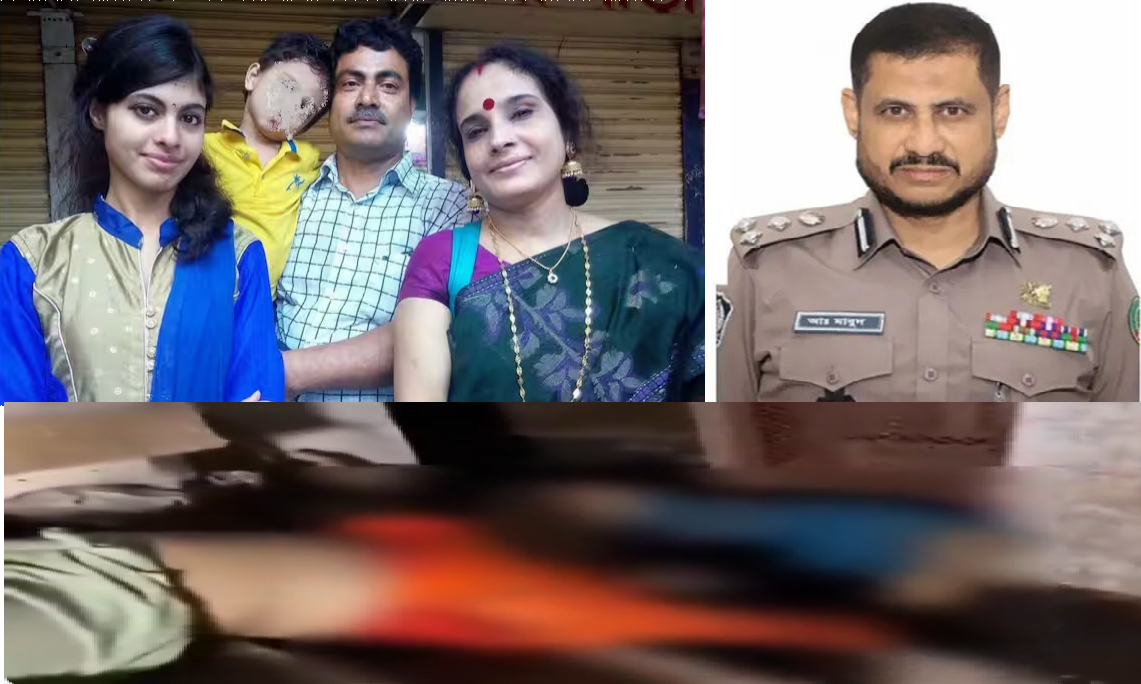
From the outset, police said Siddhartha and Mugdha had entered the rooftop of retired Rangpur Zilla School teacher Ganapati Chakraborty’s home to consume yaba, were confronted by Ganapati and subsequently killed him, his wife Pritilata, their daughter Agami and their 12-year-old son Ayush. Police later claimed that the two suspects had confessed to consuming eight or nine yaba tablets before carrying out the murders in statements recorded before a court.
A drug test cannot prove that someone did not consume drugs several days earlier, but neither can an unverified confession establish intoxication as fact.
With investigations by multiple local and international journalists increasingly raising serious concerns that key aspects of the Rangpur murder investigation have been manipulated and that two innocent Hindu youths may have been made convenient scapegoats, these allegations demand independent and impartial scrutiny.
Police Officer Abdul Mabud now stands at the centre of mounting controversy over allegations that he threatened the Chakraborty family and played a role in manipulating the investigation. Yet, despite growing public demands for accountability, the Bangladesh Ministry of Home Affairs has so far failed to initiate a formal inquiry into the allegations against him or his suspected associates.
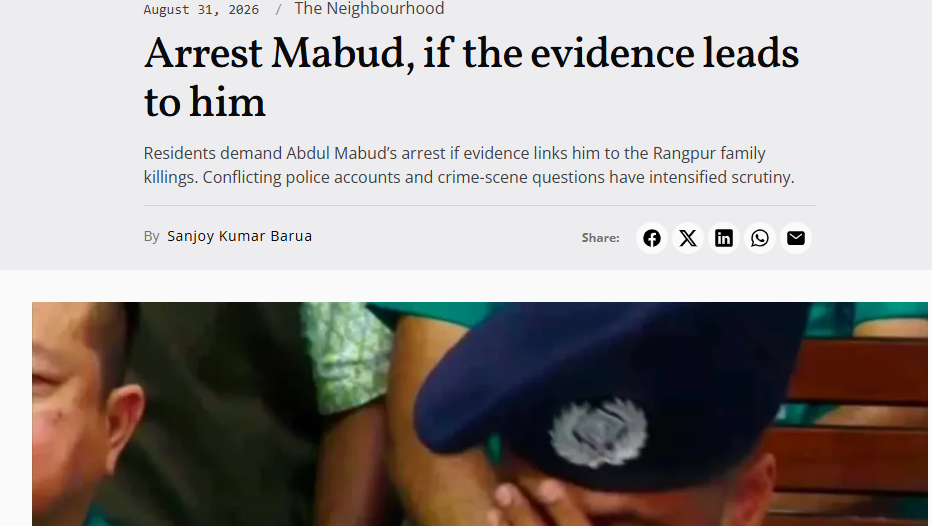
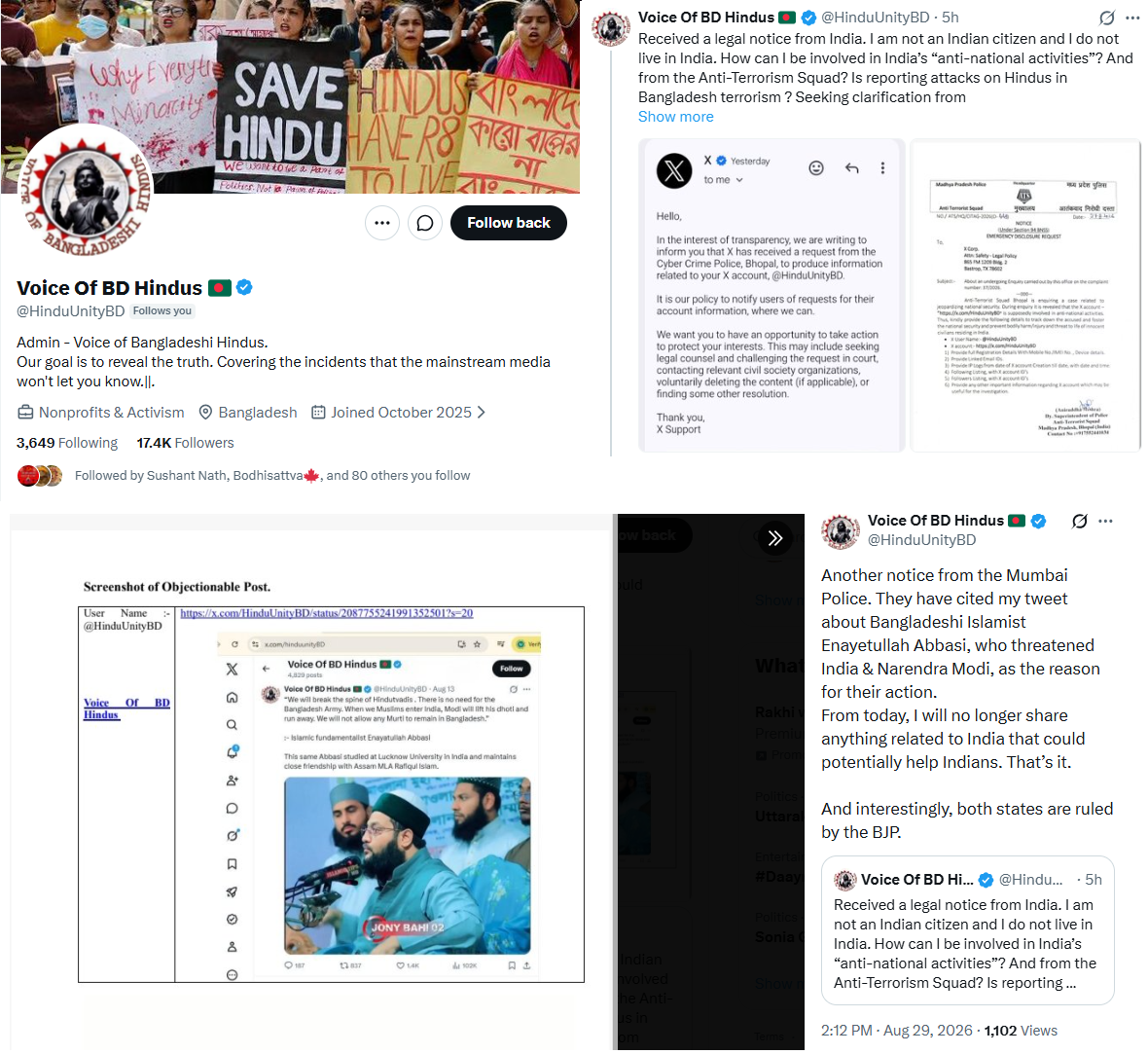
Veteran journalist Toufik Maruf, who spent 10 years with Prothom Alo and a further 13 years with Kaler Kantho before leaving Bangladesh following the fall of the Hasina government in 2024, has made serious allegations concerning Mabud. In an interview with representatives of Hindu Voice, Maruf stated that a departmental inquiry had previously been initiated against Abdul Mabud over suspected links to the terrorist organisation Jama’atul Mujahideen Bangladesh (JMB) in 2004.
Maruf has also cited Bangladesh Gazette No. 23, Volume 1 of 2025, published on 5 June 2025, as documentary evidence concerning Mabud’s controversial record. According to Maruf’s interpretation of the Gazette, Mabud was sent back from a United Nations mission in Haiti following repeated allegations of misconduct and complaints reportedly made by fellow members of the mission.
More recent investigative reporting by Toufik Maruf and Hindu Voice has raised further allegations concerning the conduct of Deputy Commissioner Sanatan Chakraborty, including claims that he may have assisted in suppressing or obscuring evidence and fabricating aspects of the investigation. They have also alleged that Chakraborty, together with Abdul Mabud, was involved in threatening the Chakraborty family between 14 and 17 August, shortly before the murders.
If the evidence ultimately implicates Abdul Mabud or any other official, they must face the full force of the law. If the evidence exonerates them, an independent investigation would establish that as well.
What cannot be allowed is for four murdered members of a Hindu family and two young Hindu men accused of their killing to become casualties of an investigation shielded from scrutiny.