What TV doesn't, print can't; we deliver.
What TV doesn't, print can't; we deliver.
What TV doesn't, print can't; we deliver.
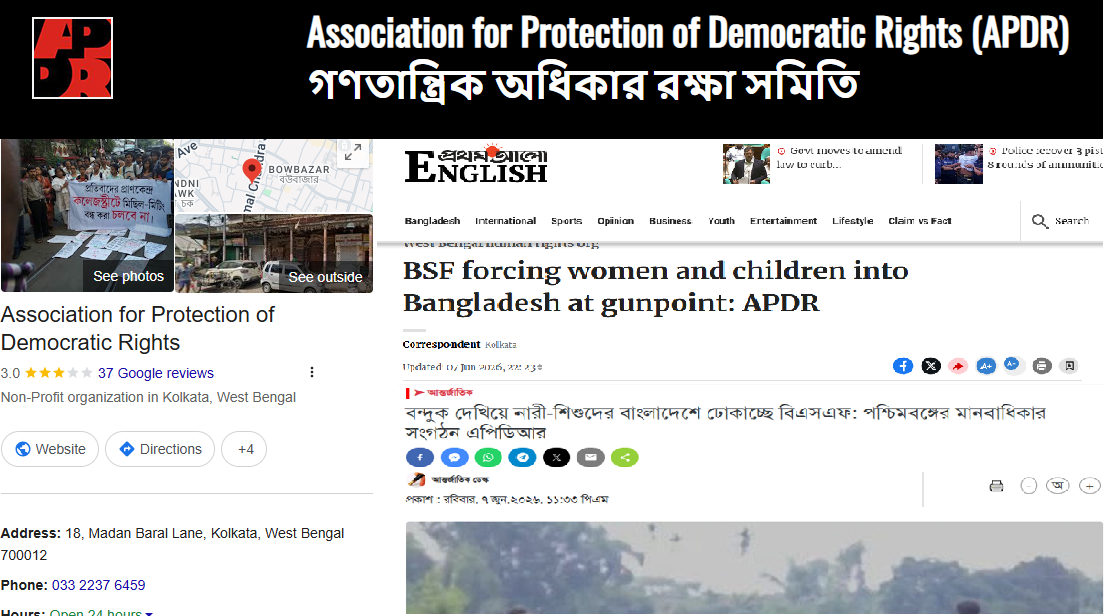
In matters of border security, words do not remain words for long. Once amplified by foreign media, activist narratives can shape international perceptions, influence diplomatic discourse and undermine confidence in a nation’s sovereign right to enforce its laws. It is in this context that the recent statements made by the Kolkata-based Association for Protection of Democratic Rights (APDR) to several Bangladeshi media outlets warrant decisive action.

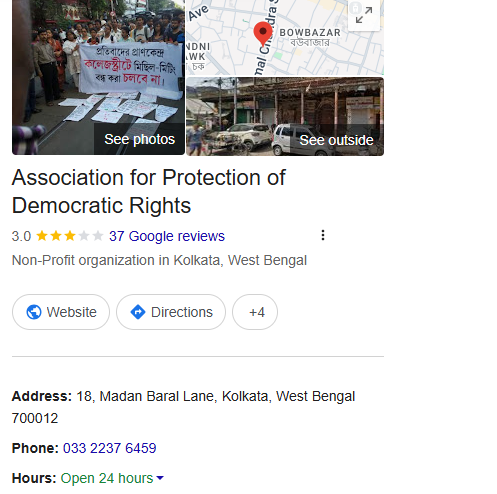
APDR has publicly claimed that Indian border authorities are pushing residents of West Bengal at gunpoint into Bangladesh without properly verifying their nationality. These allegations have subsequently been reproduced by prominent Bangladeshi publications and commentators like Prothom Alo, Daily Ittefaq , Star International and Daily Asia to portray India’s deportation policies as arbitrary, unlawful, and violative of human rights. Such reporting has contributed to a perception that Indian authorities are deporting individuals without adequate verification, raising allegations that Indian citizens themselves are being wrongfully expelled.
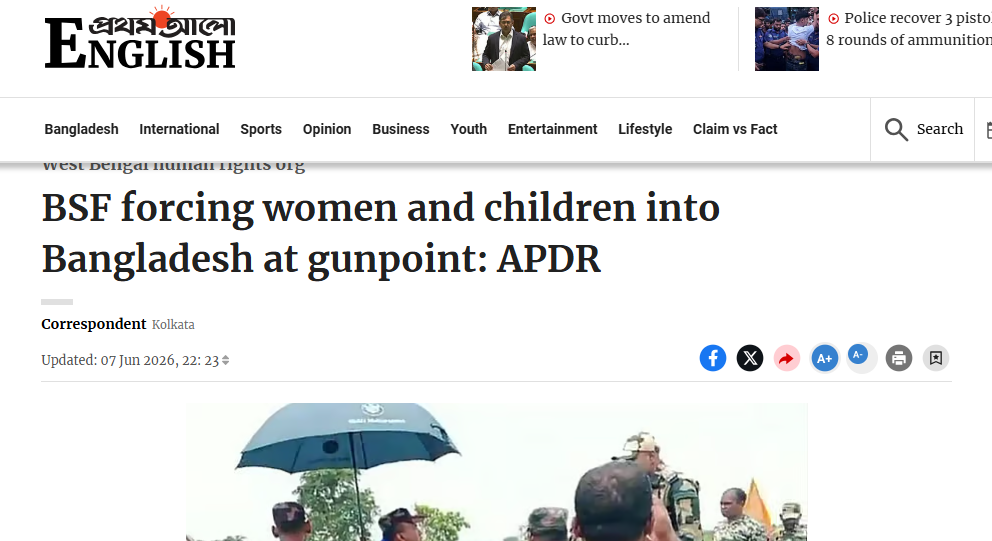
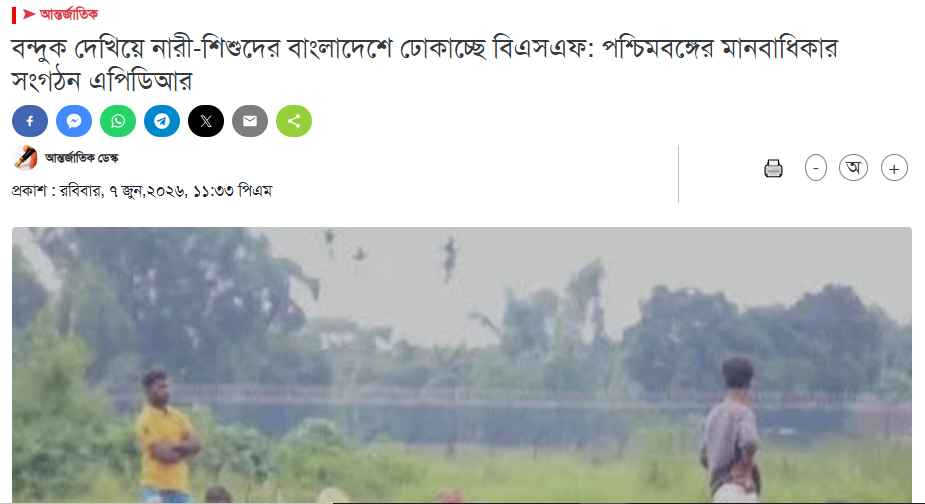
Yet this narrative collapses when examined against the legal and administrative framework governing deportations in India.
The identification, detention, and deportation of foreign nationals are not ad hoc exercises conducted at the discretion of individual officials. They are governed by established statutory procedures under the Foreigners Act, 1946 and the Immigration and Foreigners Act, 2025. Indian authorities, including the Border Security Force (BSF), have repeatedly emphasized that deportations occur only after extensive verification processes and in compliance with applicable legal requirements. The suggestion that individuals are being summarily expelled without verification directly contradicts the position consistently maintained by the Government of India.
Official statements from the Ministry of External Affairs have further clarified that so-called “push-backs” are not arbitrary actions but the consequence of prolonged delays in repatriation and the failure of Bangladeshi authorities to cooperate in a timely manner regarding the acceptance of their own nationals. The issue, therefore, is not whether India possesses the right to deport illegal immigrants—a right exercised by sovereign states across the world—but whether the receiving state is fulfilling its responsibility to complete the repatriation process.
This distinction is critical. By omitting it, APDR’s narrative shifts attention away from the obligations of Bangladesh and places the entirety of the controversy at India’s doorstep. The result is a distorted picture in which lawful deportation procedures are portrayed as human-rights abuses while the role of the receiving state is largely ignored.
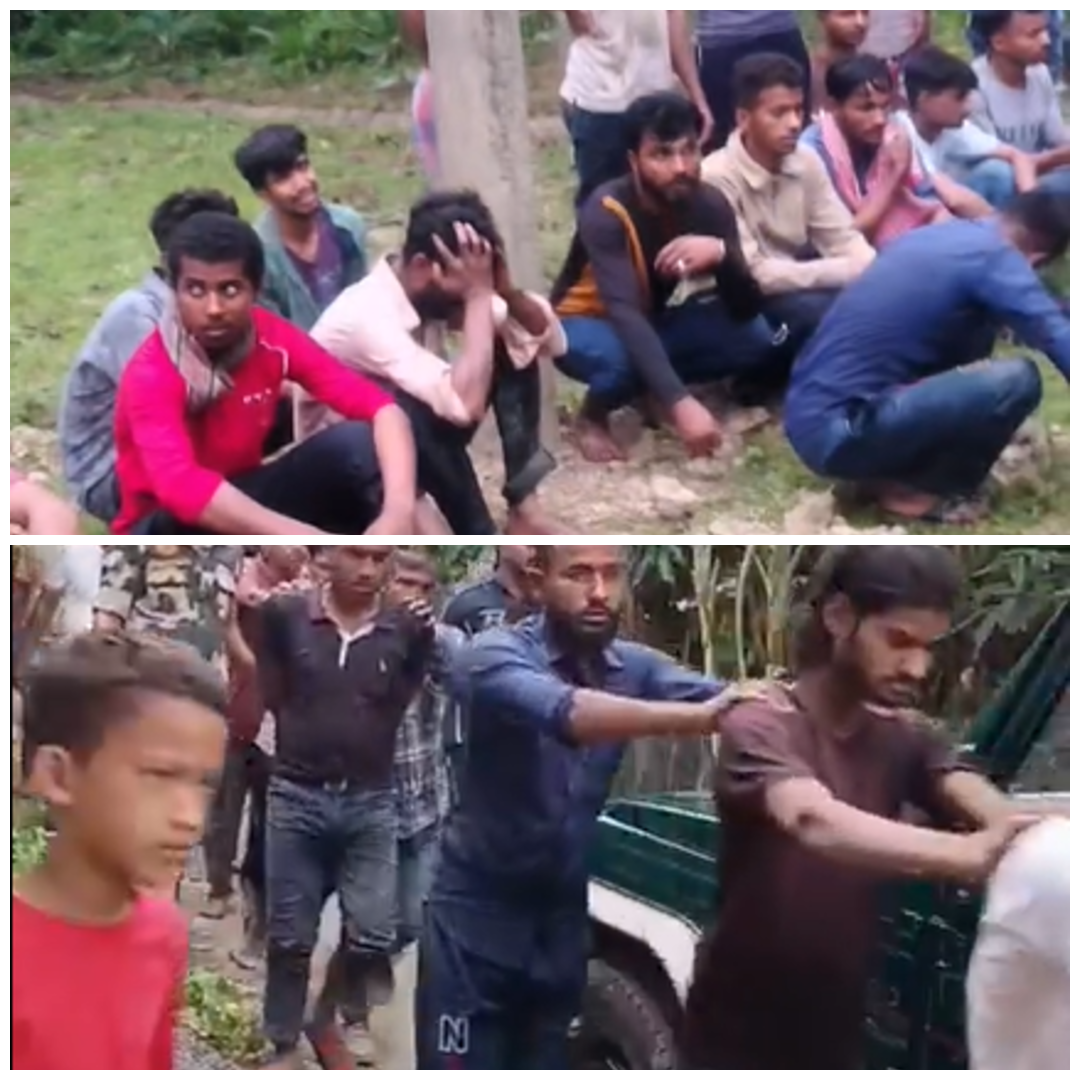
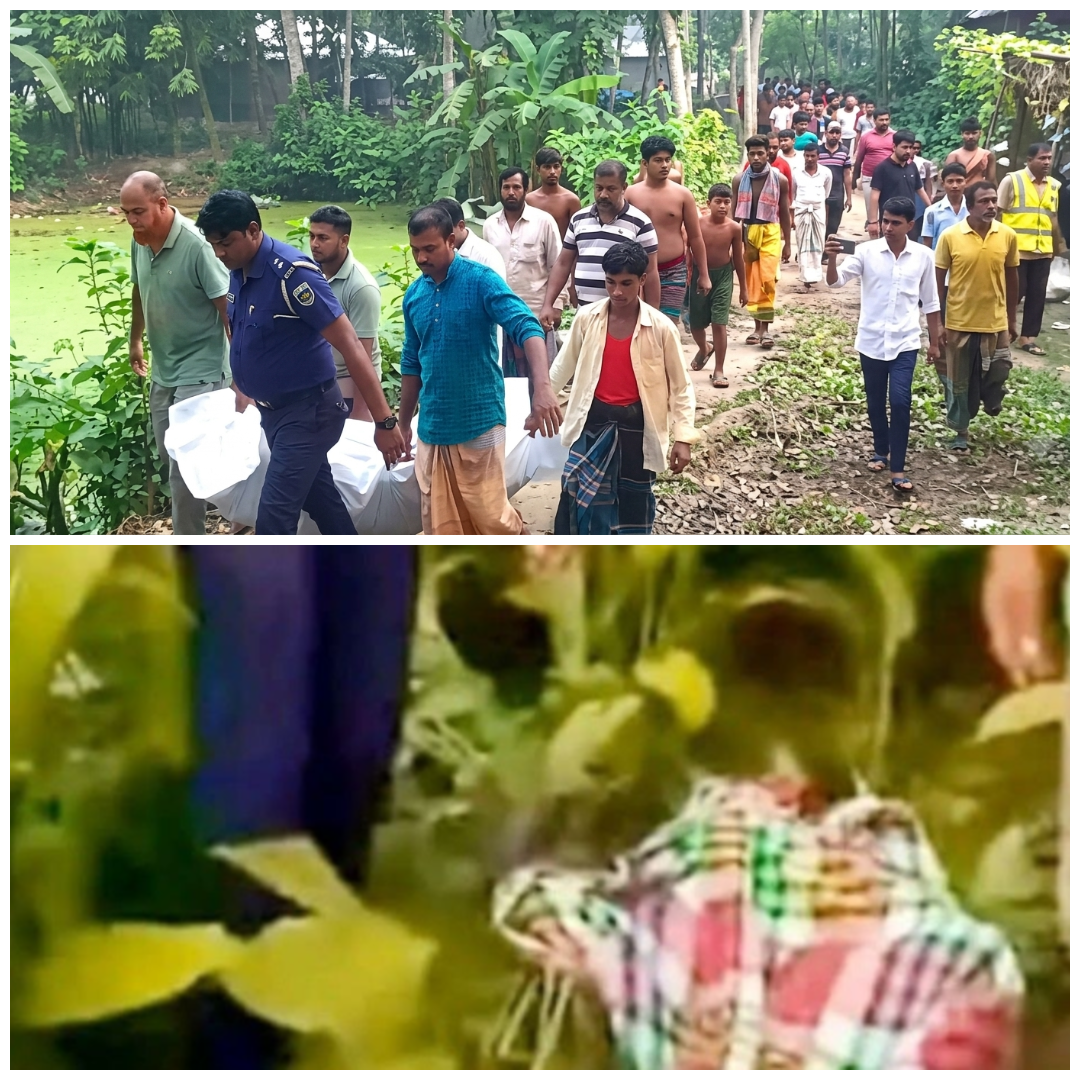
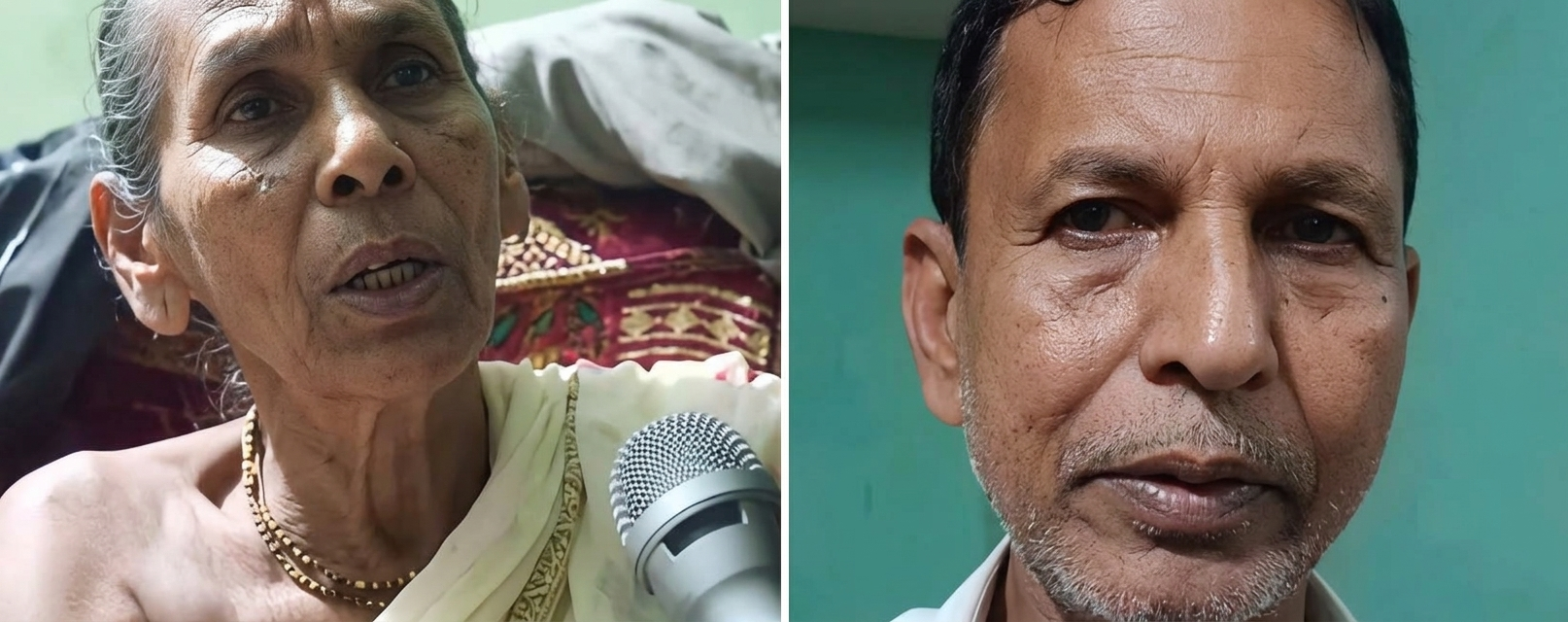
Public skepticism toward this narrative has only intensified following the circulation of social-media footage allegedly showing disputes over citizenship status and interactions between Bangladeshi border personnel and undocumented migrants, including one of a stranded family accusing Bangladesh Border Guard (BGB) personnel of forcibly taking away their passports to portray them as Indian citizens.
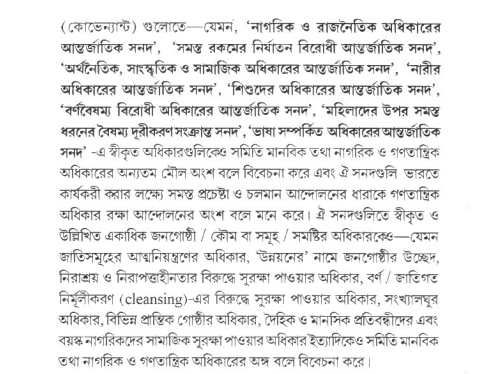
Founded in 1972, APDR presents itself as an organization committed to the protection of fundamental human rights, the abolition of the death penalty, and the preservation of democratic values. Point 3 of its Vision and Mission document explicitly states that the organization seeks to protect all communities from persecution and cleansing along ethnic lines. On paper, this commitment suggests a universal and impartial approach to human-rights advocacy.
A closer examination of APDR’s public interventions, however, raises serious questions regarding the consistency with which these principles have been applied. While the organization has been vocal in highlighting the grievances and rights concerns of Muslims in India, it has remained notably silent on the prolonged suffering of displaced Bangladeshi Hindus and other religious minorities fleeing persecution in neighboring countries. More significantly, APDR has actively opposed legislative measures such as the Citizenship Amendment Act (CAA), which was introduced to provide a pathway to citizenship for persecuted religious minorities from India’s neighborhood. This position has led critics to question whether APDR’s advocacy is guided by universal human-rights principles or by a selective ideological framework that recognizes some victims while marginalizing others.
These concerns become even more pronounced when examining APDR’s numerous so-called fact-finding missions in communally sensitive regions of West Bengal, particularly Murshidabad, Kaliachak and Telinipara. Repeatedly, the organization’s reports have attracted criticism for presenting narratives that appear to minimize or reinterpret violence directed against Hindus while emphasizing alternative explanations that dilute the communal character of the attacks.
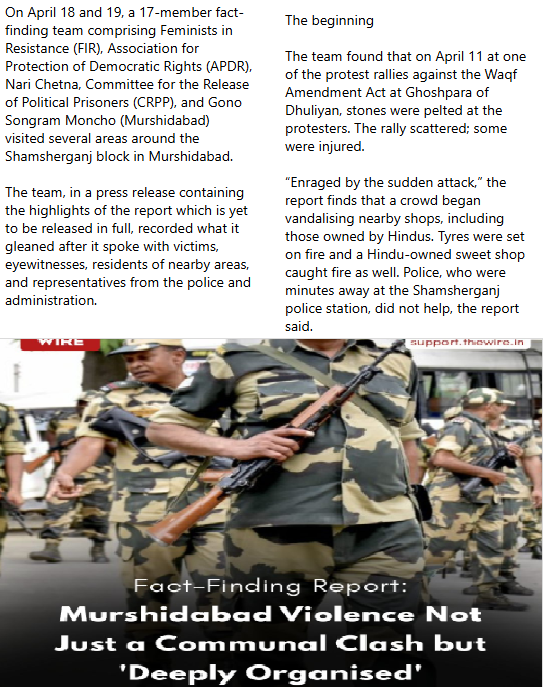
One of the most striking examples is APDR’s involvement in the fact-finding exercise conducted in the Suti and Samsherganj regions of Murshidabad following the April 2025 riots. In its account, APDR argued that the violence began after protesters opposing the Waqf Amendment Act were allegedly pelted with stones in the Ghoshpara area of Dhulian. Yet throughout the report, considerable effort is devoted to highlighting anecdotes and incidents intended to demonstrate that Muslims were also victims of the unrest, while the systematic and selective targeting of Hindus receives comparatively limited attention. Critics contend that this approach obscures the central question of whether Hindu communities were specifically targeted on religious grounds and substitutes it with a broader narrative of mutual suffering that dilutes accountability.
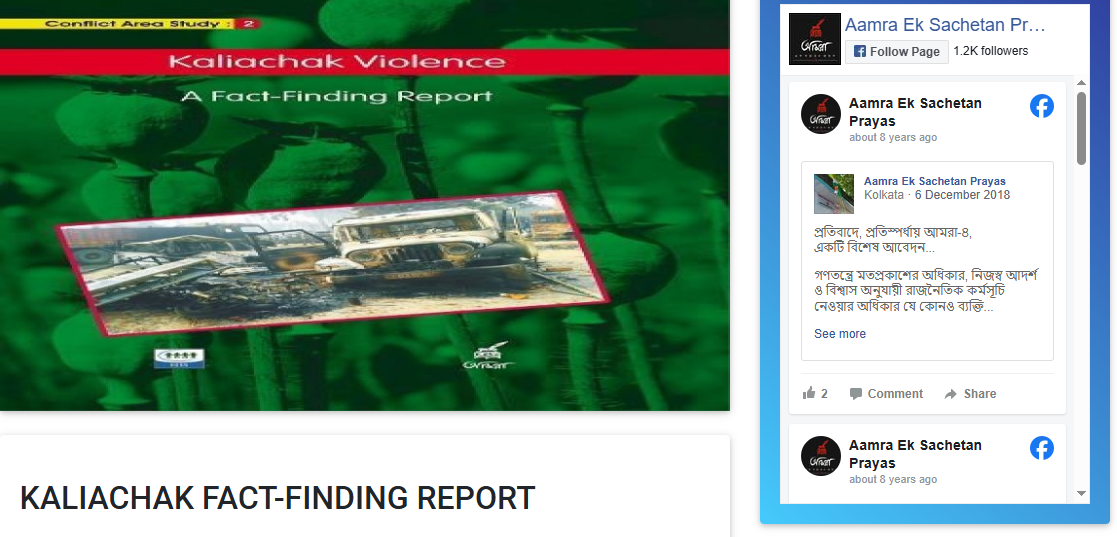
A similar pattern is evident in APDR’s treatment of the 2016 Kaliachak riots. What began as protests over an alleged blasphemy issue escalated into widespread violence marked by attacks on property, businesses, religious structures and civilian homes. Nevertheless, APDR’s interpretation framed the disturbances largely through the lens of political mobilization and broader socio-political tensions, ultimately downplaying both the communal character and the scale of the attacks against Hindus. The report’s conclusion that these incidents were neither significantly communal in nature nor particularly consequential in scale stands in stark contrast to contemporary accounts documenting extensive destruction, looting, and vandalism.
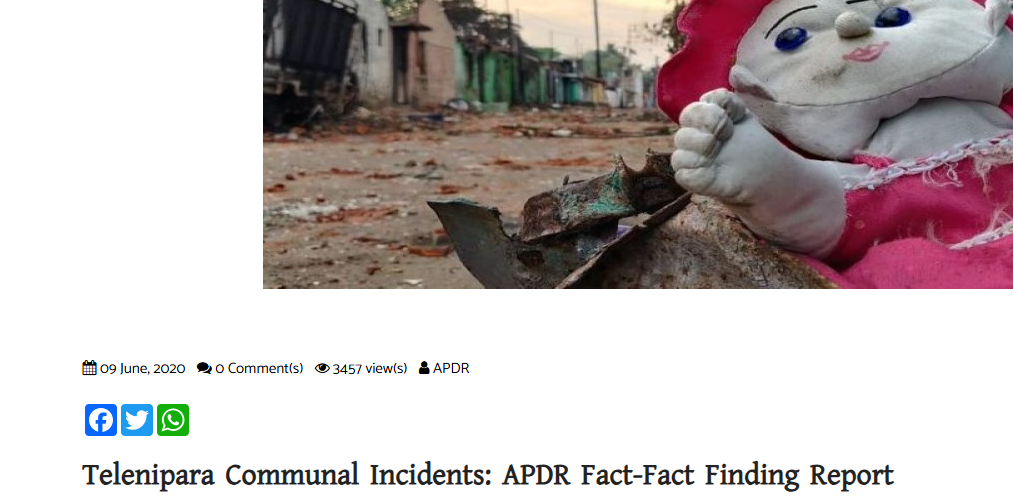
The same tendency can be observed in APDR’s coverage of the Telinipara violence. Critics argue that the organization’s narrative overlooks established facts that the violence was triggered after heavily armed Muslim mobs initiated attacks against Hindu localities, resulting in homes and commercial establishments being torched. Instead, APDR focused substantial attention on a limited geographical area where Muslims suffered during subsequent retaliatory violence, creating an impression that Hindus were the principal aggressors rather than one of the primary victim groups. Such selective framing fundamentally alters the public understanding of how the violence unfolded and where responsibility lay.
Viewed individually, each report may be defended as a matter of interpretation. Viewed collectively, they reveal a recurring pattern. Across multiple incidents involving communal violence, APDR’s documentation repeatedly appears to shift focus away from anti-Hindu persecution, contextualize or minimize attacks against Hindu communities and foreground narratives that diffuse communal accountability. The consequence is the construction of a parallel narrative in which the experiences of Hindu victims are systematically relegated to the margins.
Beyond the controversies surrounding its reporting on communal violence and border-security issues, APDR has faced allegations concerning its proximity to radical-left movements operating across eastern and central India for decades. These concerns have surfaced repeatedly over the course of the organization’s history, raised by security officials, law-enforcement agencies, political observers, and critics who question whether APDR’s activism consistently remains within the boundaries of civil-rights advocacy.
One of the earliest and most significant controversies emerged in August 2003, when then Midnapore Superintendent of Police K.C. Meena publicly stated that diaries recovered from arrested PW activists, including Sudip Chongdar, Naba Dule, Rita Chongdar, and Sanjay Mandi contained indications that APDR was covertly assisting Naxalite extremists.
What is beyond dispute is APDR’s consistent opposition to large-scale anti-Maoist security operations undertaken by the Indian state. Across multiple campaigns targeting Maoist insurgencies, the organization has positioned itself among the most vocal critics of government strategy, arguing that excessive force, human-rights violations and the neglect of socio-economic grievances have contributed to the persistence of armed conflict. In isolation, such criticism falls well within the legitimate domain of civil-rights advocacy.
The controversy arises, however, from the asymmetry that many critics perceive in APDR’s approach. While state actions are subjected to intense examination, Maoist violence itself often appears secondary in the organization’s public discourse. The result is a perception that the organization’s focus is disproportionately directed toward constraining the state’s response rather than confronting the ideological and operational realities of insurgent movements responsible for decades of bloodshed, extortion, assassinations and attacks on civilians and security personnel.
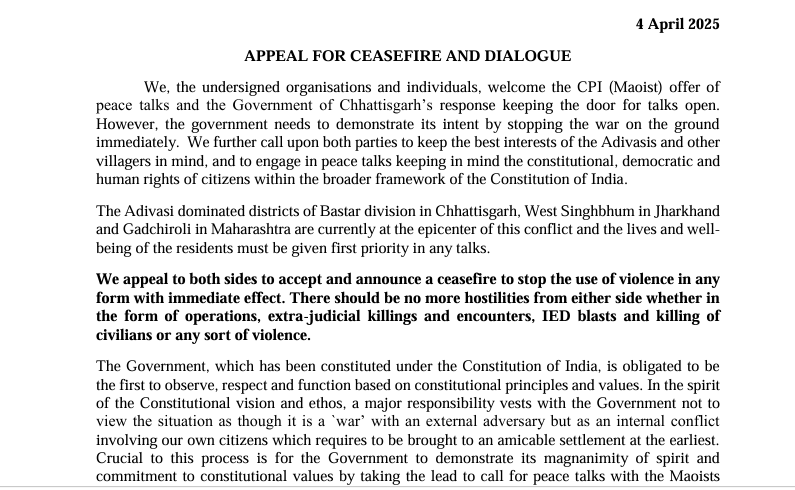
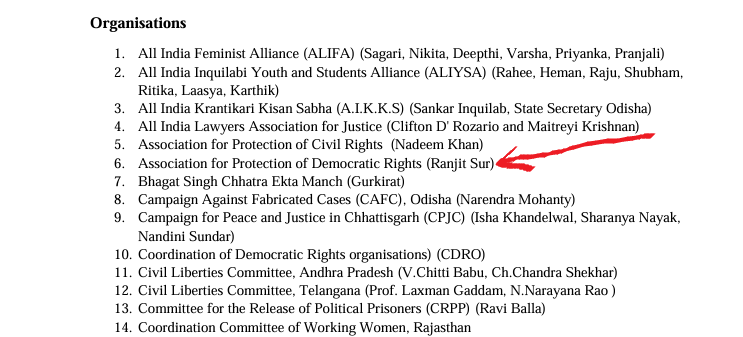
This concern became particularly visible in relation to ceasefire and dialogue initiatives. APDR was among the signatories supporting appeals for negotiations between the Indian state and Maoist groups in 2025. There is near-consensus among national security experts and political commentators that armed Maoist extremist organizations such as the CPI (Maoist) repeatedly sought ceasefires and negotiations in 2025 not as a step toward peace, but as a tactical pause to regroup, replenish resources, restore disrupted networks, and rebuild operational capabilities, without any meaningful renunciation of violence.
Serious analysis cannot be confined to isolated incidents. Organizations are ultimately judged not merely by individual statements, but by the cumulative record they leave behind. When APDR’s interventions over several decades are examined collectively, a recurring pattern becomes increasingly difficult to dismiss as coincidence.
On border-security issues, APDR’s statements have been cited by foreign media outlets to portray India as a violator of human rights while devoting comparatively little attention to the responsibilities of Bangladesh in accepting and verifying its own citizens. The consequence has been the international amplification of narratives that cast suspicion on Indian institutions while obscuring the broader realities of cross-border migration and repatriation.
On communal violence, APDR’s critics argue that the organization has repeatedly exhibited a reluctance to acknowledge the scale, character and ideological motivations behind attacks targeting Hindu communities. Across multiple fact-finding exercises, reports and public interventions, incidents involving anti-Hindu violence have frequently been reframed, contextualized, minimized or diluted through narratives that disperse responsibility and blur the identity of victims and perpetrators.
On matters of internal security, APDR has consistently positioned itself against robust state action directed at armed insurgencies and extremist movements. While scrutiny of state power is a legitimate and necessary function of any civil-rights organization, APDR’s interventions have too often focused on constraining the state’s response while displaying no urgency towards the violence, intimidation, and insurgency by extremist organizations.
Viewed together, these are not merely disagreements over policy. They represent a broader pattern of advocacy that, repeatedly places the organization on the opposite side of debates concerning border security, national cohesion, demographic pressures, counter-insurgency and the protection of vulnerable Hindu communities.
If these concerns are unfounded, a transparent and independent examination would provide APDR with an opportunity to rebut them and restore public confidence. However, if a thorough investigation establishes that the organization has knowingly disseminated misleading information, concealed material facts, collaborated with extremist networks or otherwise acted in violation of the law, then the matter would cease to be one of mere ideological disagreement. It would become a question of accountability and the integrity of democratic institutions. In such circumstances, the relevant authorities must pursue the facts without fear or favor and take appropriate legal action against all responsible individuals and entities. No organization should be exempt from scrutiny where credible allegations of misconduct exist. The rule of law demands both rigorous investigation and, where wrongdoing is proven, the fullest penalties and corrective measures permitted under law.
If you love our work, you can help us by contributing a small amount of your choice.
UPI: hinduvoice@upi