What TV doesn't, print can't; we deliver.
What TV doesn't, print can't; we deliver.
What TV doesn't, print can't; we deliver.

Tarakeswar, Hooghly | Garalgacha (Block No. 2)
Date of Incident: March 18, 2026
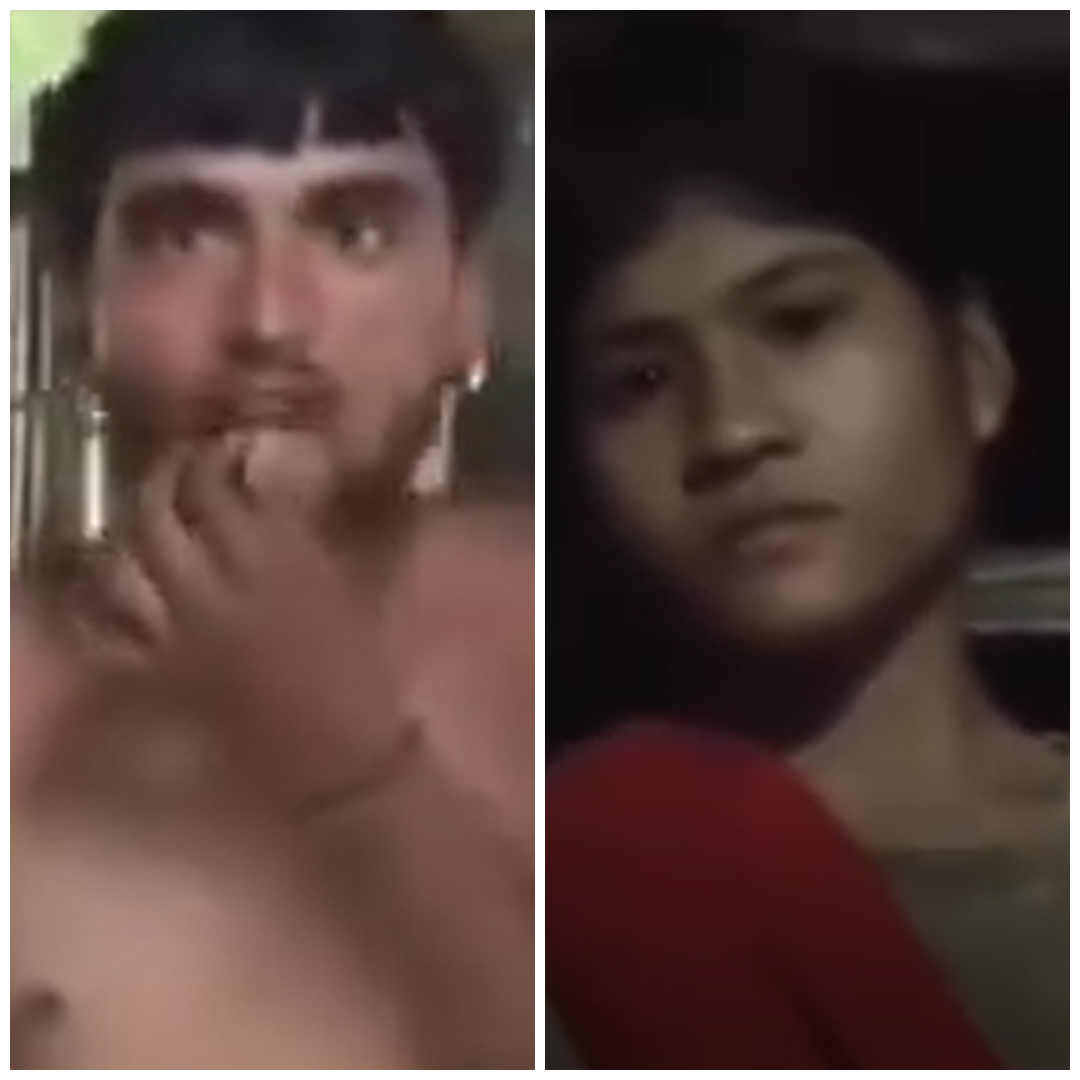
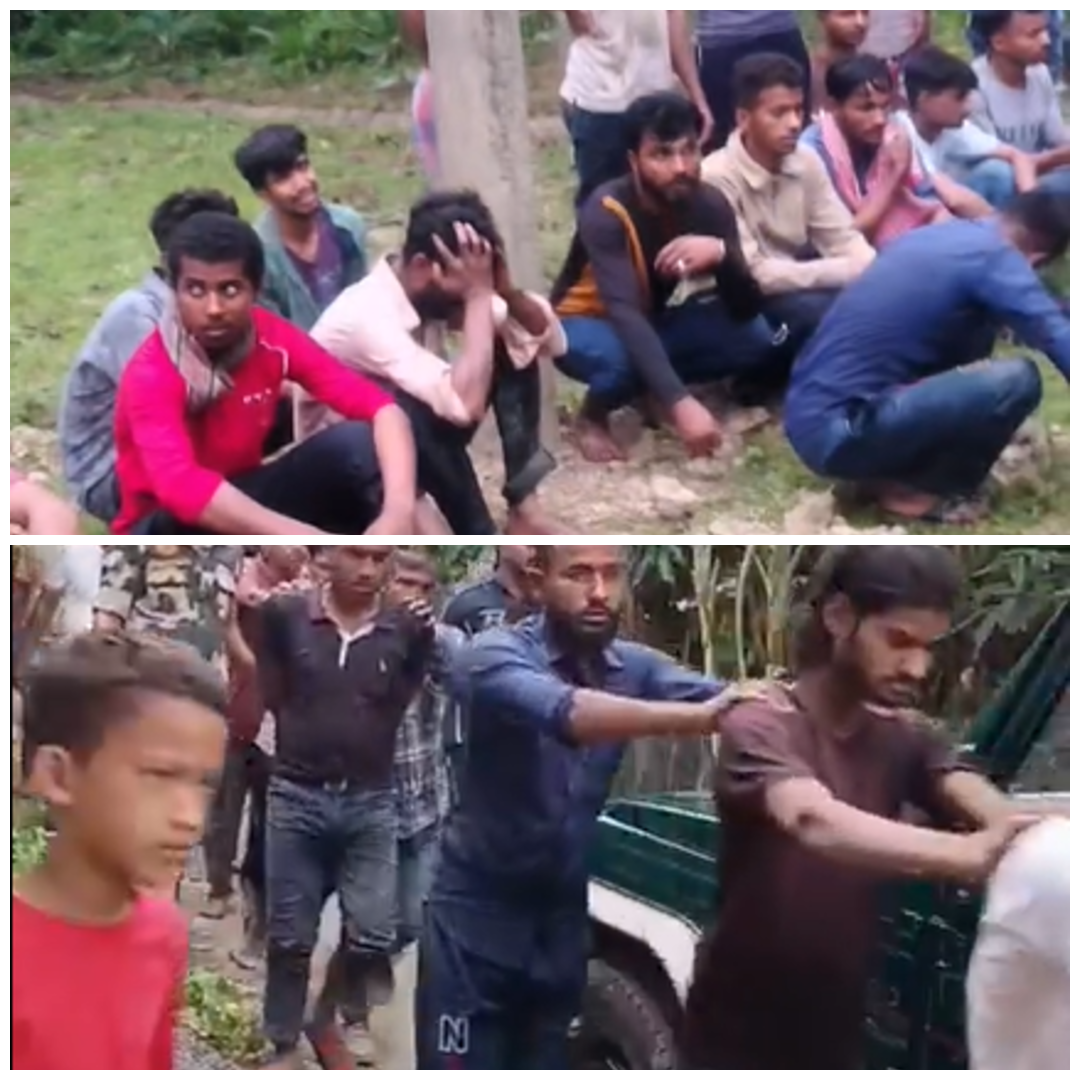
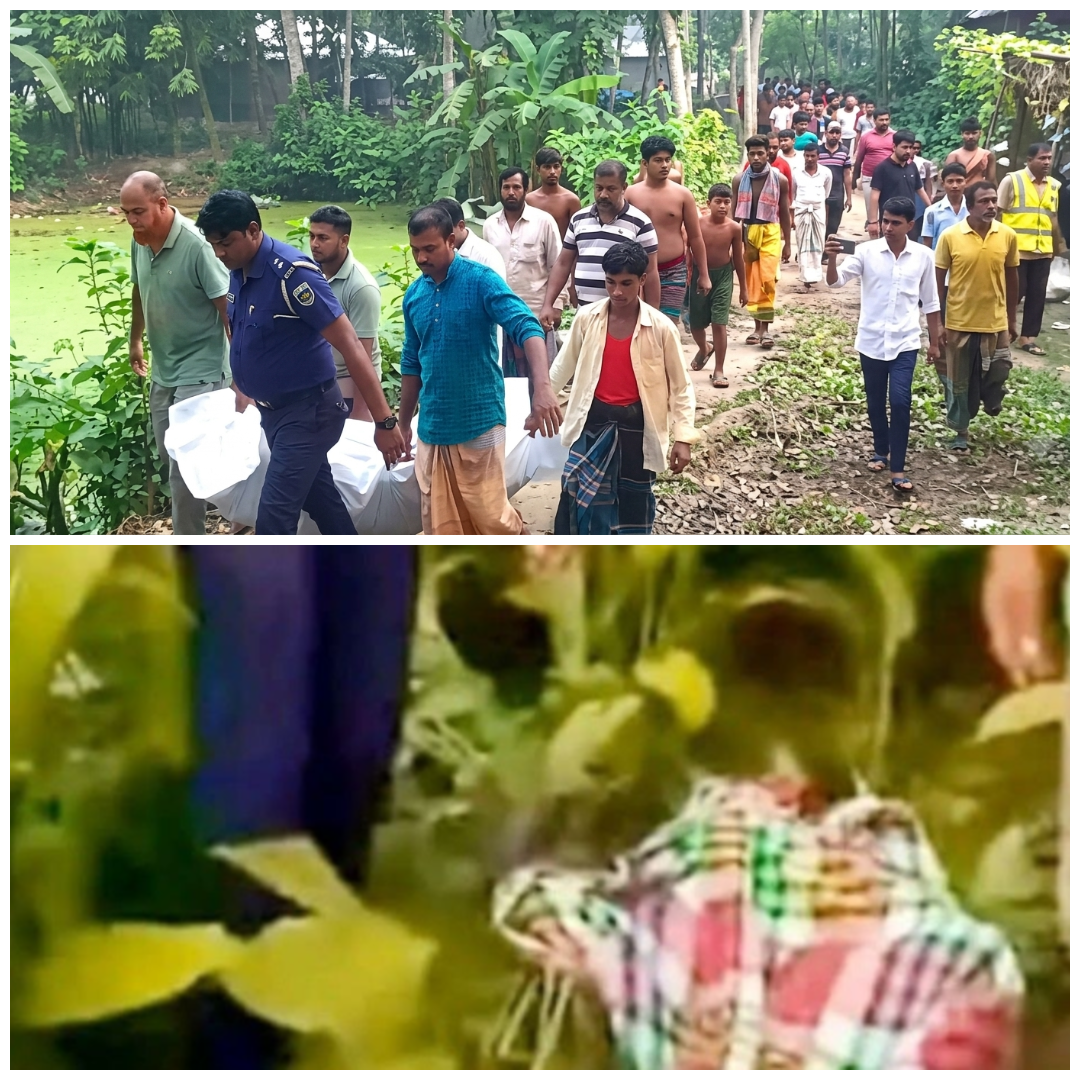
A disturbing episode of communal unrest has emerged from the Garalgacha area of Tarakeswar, where a social media exchange allegedly escalated into targeted violence by a mob of Islamists against 3 Hindu families. The incident highlights a growing and dangerous phenomenon: the rapid translation of online provocation into real-world conflict.
According to local accounts, the unrest was triggered by a Facebook comment posted by Vishal Rui Das, reportedly in response to content shared by a Bangladeshi user. What began as a digital interaction quickly spilled beyond the confines of the internet.
Residents allege that announcements were subsequently made via a mosque loudspeaker in Garalgacha, calling people to assemble. What followed, they claim, was not a spontaneous gathering, but a coordinated act of retaliation.
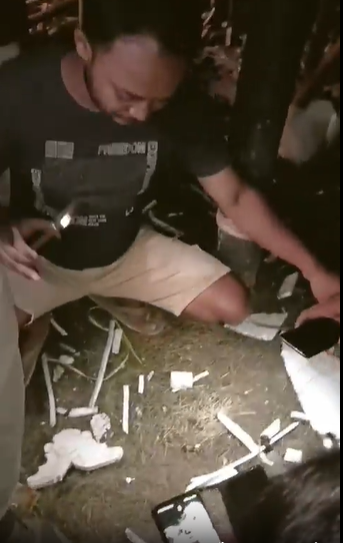
Three homes belonging to members of the Hindu community were reportedly singled out and vandalized. Eyewitnesses describe scenes of chaos as groups moved through the locality, damaging property and instilling fear.
The affected families have been left deeply shaken, with residents describing an atmosphere of anxiety and uncertainty that continues to linger in the aftermath.
The seriousness of the incident drew the attention of the National Commission for Scheduled Castes.
Partha Biswas, a member of the Commission, visited the affected area to assess the situation and meet with victims.
During his visit, he highlighted several key concerns like :
a) Recurring Tensions: He indicated that such incidents may not be isolated, pointing to a pattern that warrants deeper scrutiny.
b) Questions of Accountability: A formal report is to be submitted to senior police officials, including the DIG, with particular focus on the adequacy and timeliness of the response.
c) Institutional Support: He assured residents that the Commission would pursue the matter until justice is delivered and safety is restored.
Despite the scale of the incident, residents have expressed frustration over what they perceive as insufficient police action. Several allege that key individuals involved in the violence remain at large.
One individual, identified locally as Ayub, was reportedly not present during the Commission’s visit. However, broader concerns persist regarding the absence of swift and visible enforcement measures.
Partha Biswas emphasized that accountability must be both real and visible, stating that efforts will continue until all those responsible are identified and apprehended.
For residents of Garalgacha, the damage extends beyond broken property. While homes can be repaired, restoring a sense of security and trust within the community may prove far more difficult.
The incident in Tarakeswar serves as a stark illustration of how fragile the boundary has become between the digital and physical worlds. In an age where a single comment can trigger collective action within hours, the need for responsible online behavior—and swift, impartial governance—has never been more urgent.
Without both, isolated incidents risk becoming recurring patterns, with consequences that extend far beyond any single locality.
If you love our work, you can help us by contributing a small amount of your choice.
UPI: hinduvoice@upi