What TV doesn't, print can't; we deliver.
What TV doesn't, print can't; we deliver.
What TV doesn't, print can't; we deliver.
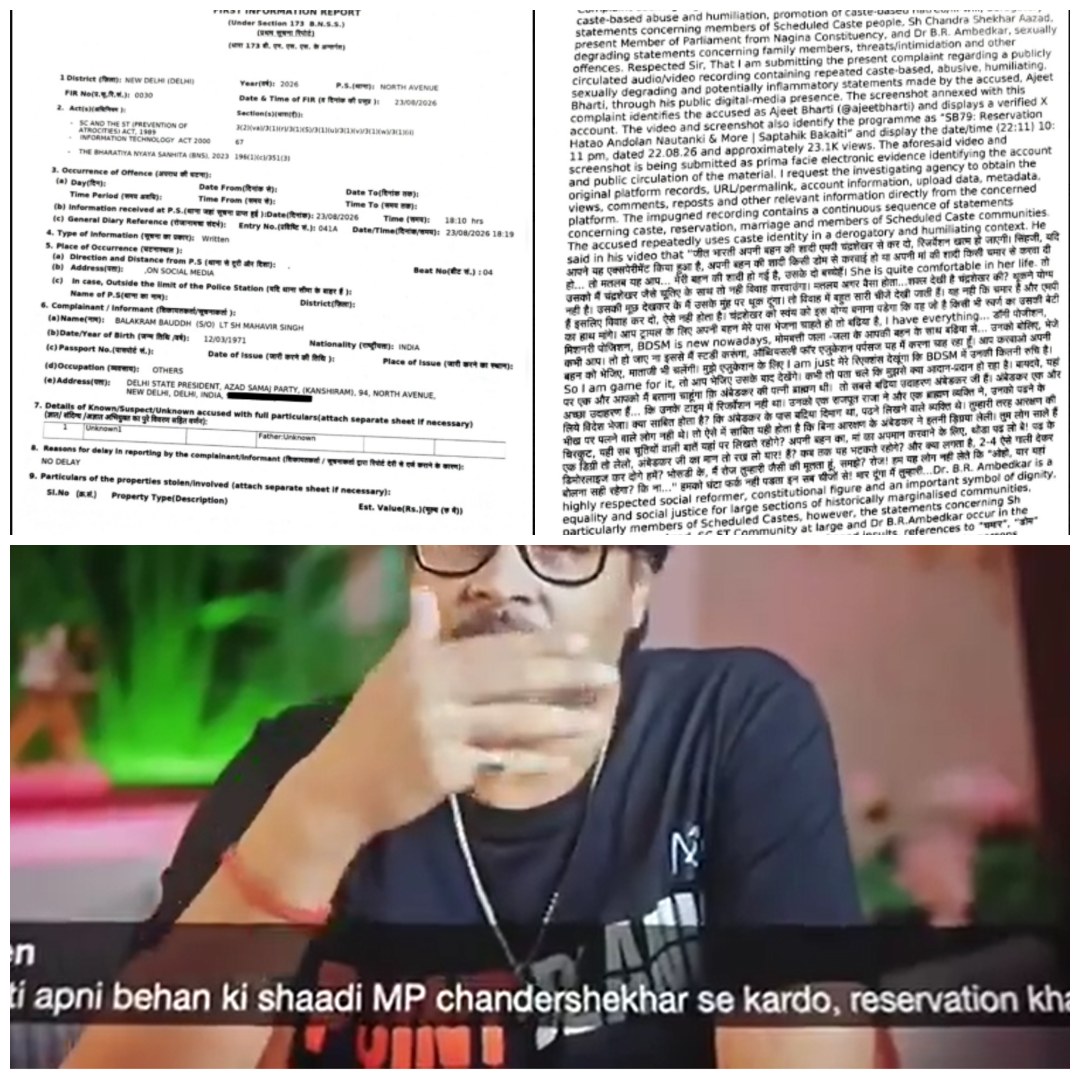
The FIR against commentator Ajeet Bharti deserves scrutiny because criminal law must never become a weapon for settling political and ideological battles.
Registered at Delhi’s North Avenue Police Station on August 23, the case invokes provisions of the SC/ST Act, the Information Technology Act and the Bharatiya Nyaya Sanhita over remarks allegedly made during Bharti’s August 22 broadcast. The complaint alleges caste-based abuse, objectionable references to Chandrashekhar Azad and B.R. Ambedkar, threats and sexually degrading language.
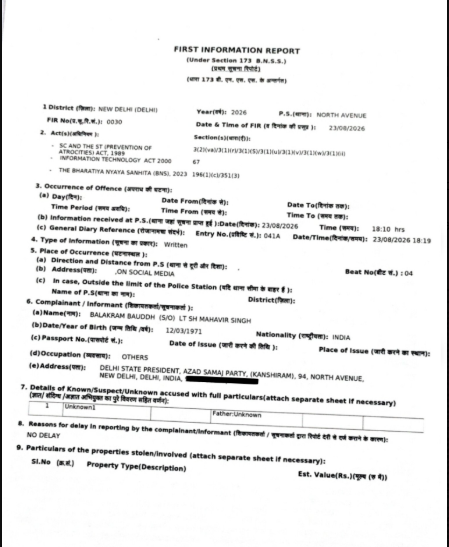
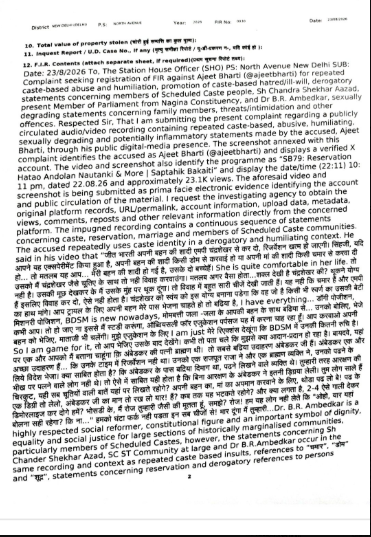
But an FIR is an allegation, not a judicial finding of guilt.
The central question should investigate whether the actual words, read in their complete context, satisfy every legal ingredient of the offences invoked? Political offensiveness, vulgarity and even deeply distasteful rhetoric cannot automatically be converted into criminal offences merely because someone is outraged by them.
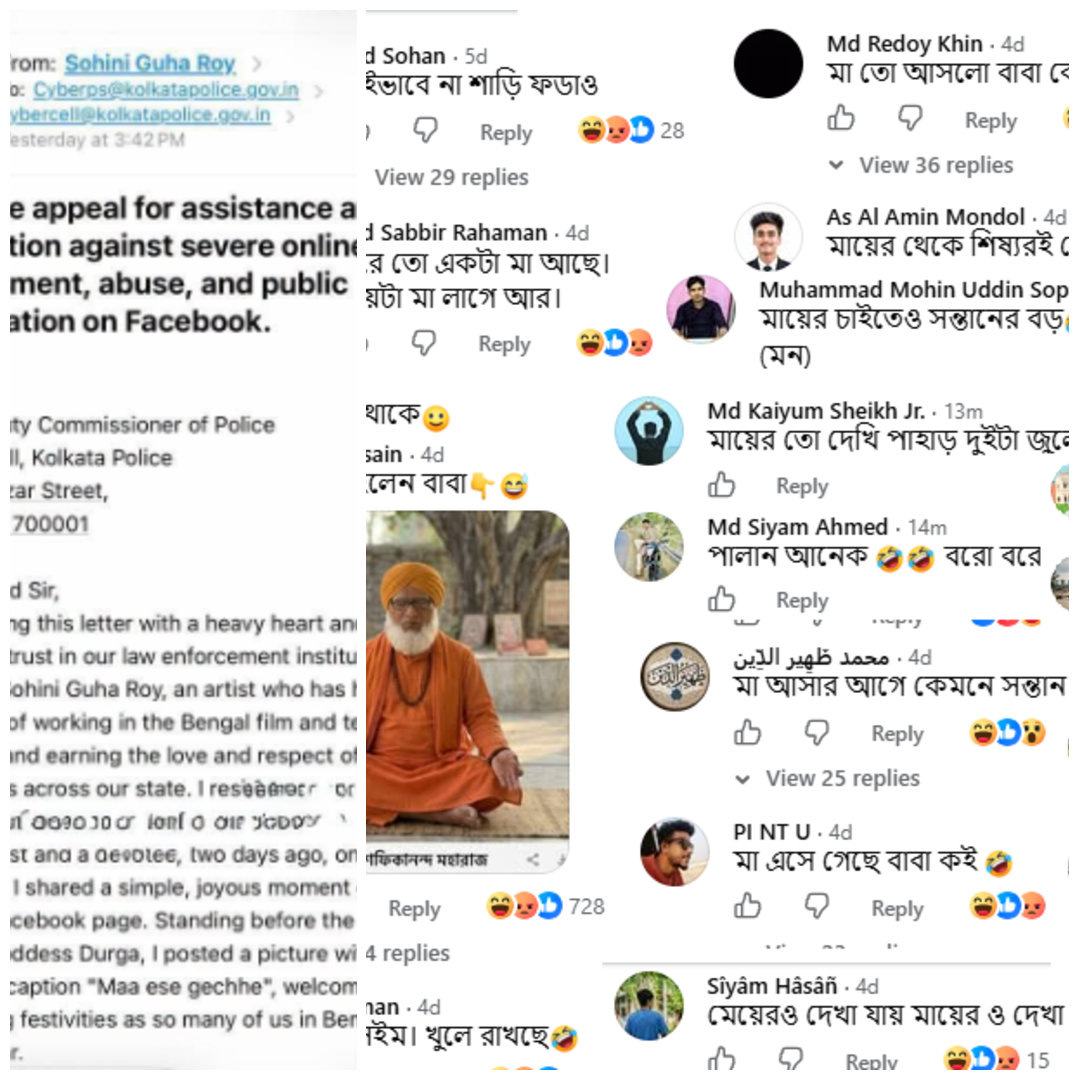
Indeed, Bharti has disputed the allegation that he used casteist language against Azad and has said he will cooperate with the investigation. He also highlighted how his mother and sister were targeted during a youtube livestream session first.

If every political confrontation is converted into an SC/ST criminal case whenever language becomes ugly, public debate itself becomes hostage to the threat of prosecution.
Condemn Bharti’s words if they deserve condemnation. Challenge him politically. Demand an apology if one is warranted. But criminal prosecution must meet a far higher threshold than mere offensiveness.
If the law is applied aggressively against one ideological camp while comparable abuses against another community are ignored, then the damage extends far beyond Ajeet Bharti. It corrodes public faith in the neutrality of law enforcement and deepens the very social divisions that India desperately needs to overcome.
A democracy cannot survive on selective outrage. The law must punish genuine crimes and not become an instrument for silencing inconvenient voices.
======================================
If you love our work, you can help us by contributing a small amount of your choice.