What TV doesn't, print can't; we deliver.
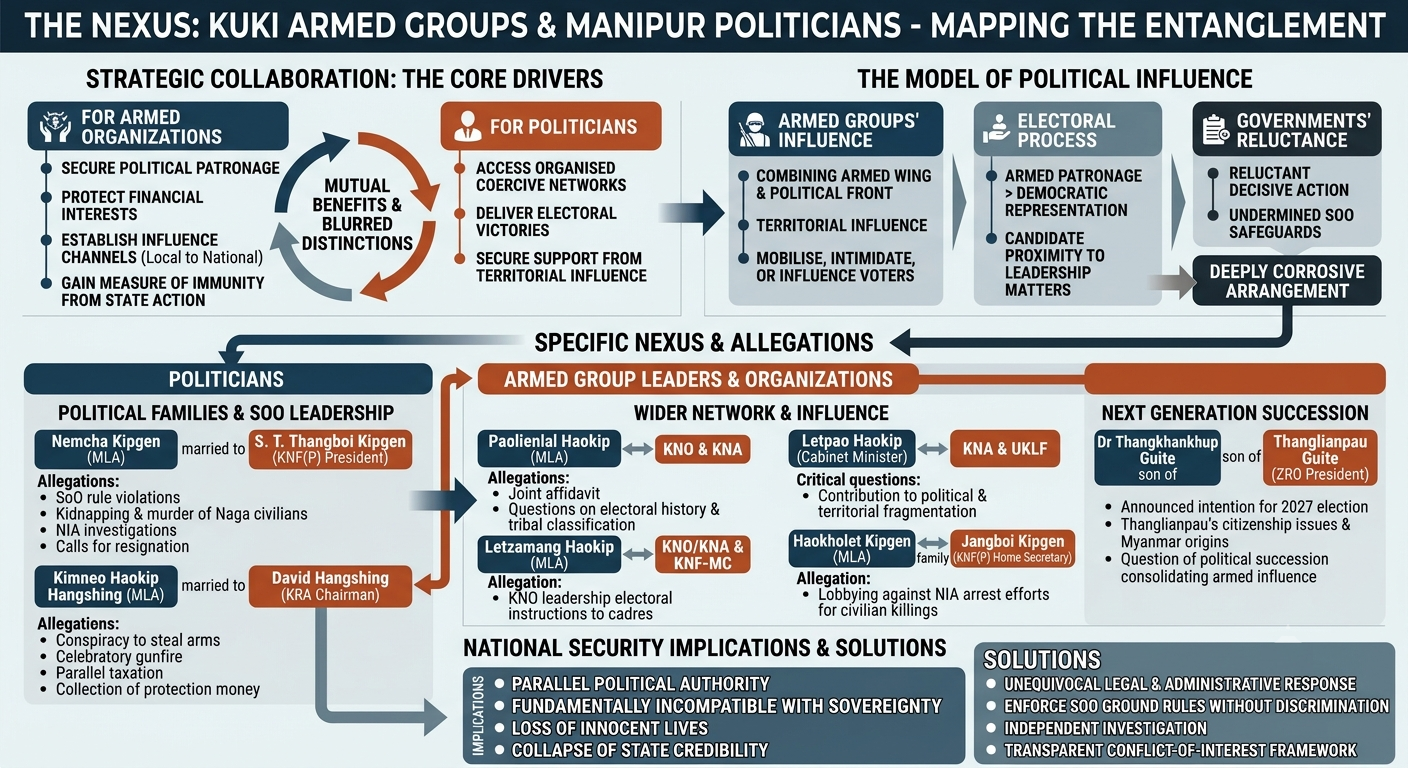
One of the most dangerous political developments in Manipur is the growing entanglement between armed organisations and electoral politics. For years, several insurgent groups operating in the state have pursued a strategy that combines an armed military wing with a political front. The objective is not necessarily to capture political power through conventional democratic mobilisation, but to retain sufficient armed influence to determine who exercises political authority in their areas of dominance.
This arrangement allows armed organisations to influence electoral outcomes, secure political patronage, protect their financial and territorial interests and establish channels of influence extending from local administrations to the state government and New Delhi.
For politicians, the relationship can offer access to an organised coercive network capable of delivering electoral victories. For armed groups, it offers political protection and a measure of immunity from state action.
The result is a deeply corrosive arrangement in which the distinction between democratic representation and armed patronage becomes increasingly blurred. Governments repeatedly appear reluctant to take decisive action against organisations accused of serious violations, even when the consequences extend to the loss of innocent lives.
The Suspension of Operations (SoO) arrangement was never intended to become a political protection mechanism for armed organisations. Yet repeated unpunished violations of SoO ground rules by several Kuki-Zo groups operating under this arrangement raise fundamental questions about whether its institutional safeguards have been systematically undermined.
Several Kuki-Zo armed organisations covered by the SoO arrangement have been accused of developing precisely this model of political influence. One particularly effective approach involves placing individuals connected to senior insurgent leaders, including family members, in elected positions. Where armed organisations possess substantial territorial influence, their ability to mobilise, intimidate or otherwise influence voters can potentially outweigh conventional political considerations such as experience, public service and grassroots support In such areas, a candidate’s political prospects may depend less on their relationship with constituents and more on their proximity to an armed organisation’s leadership.
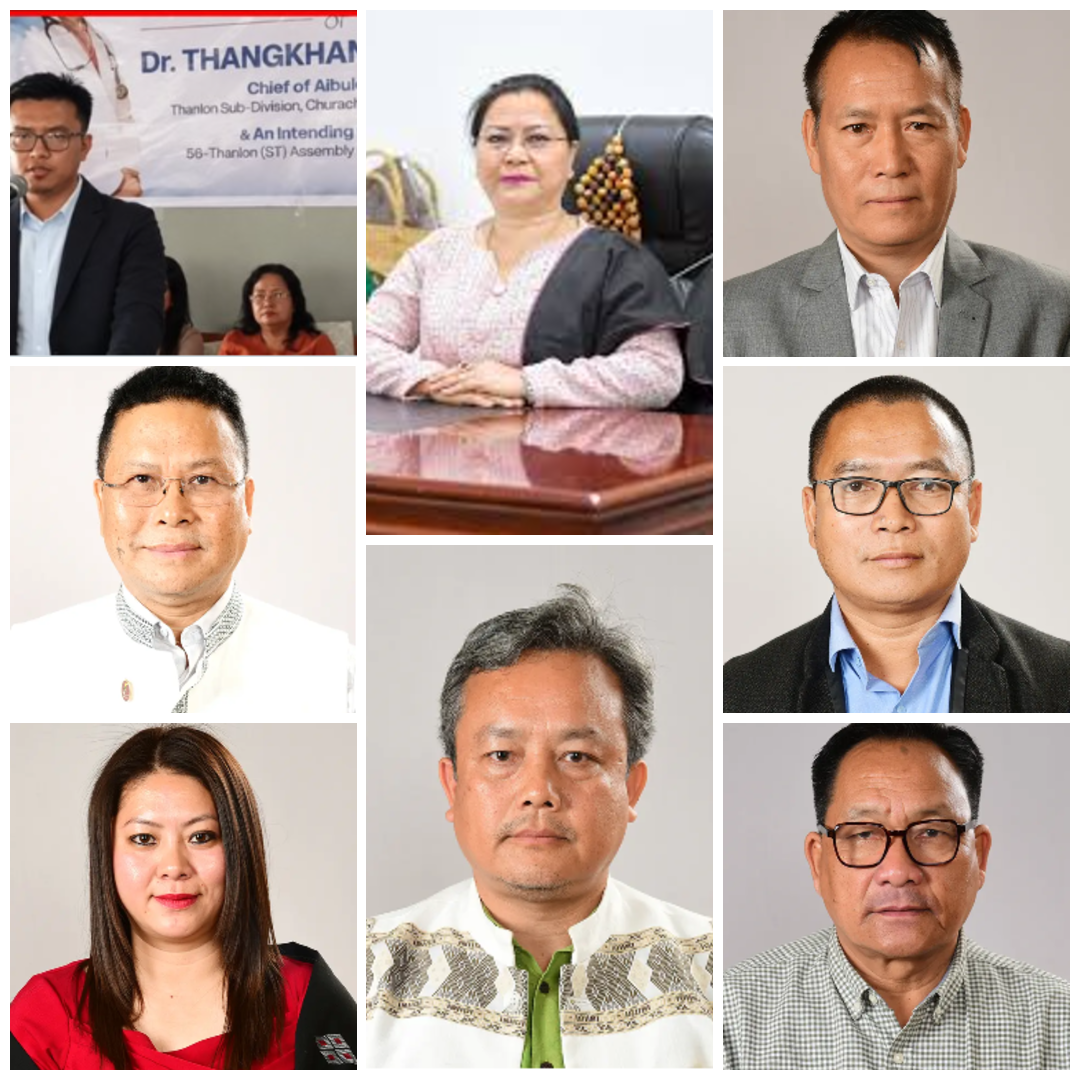
Deputy Chief Minister Nemcha Kipgen, the BJP MLA from Kangpokpi, is married to S. T. Thangboi Kipgen, president of the Kuki National Front (Presidential) that is KNF(P), an armed organisation operating under the tripartite SoO arrangement.
The relationship has acquired considerable political and security significance following allegations against KNF(P) concerning violations of SoO ground rules and the kidnapping and murder of Liangmai Naga civilians in May 2026. Allegations concerning Nemcha Kipgen and her office’s possible links with the organisation are being investigated by the National Investigation Agency (NIA).
The controversy has escalated to the point where fellow legislators have reportedly written to Union Home Minister Amit Shah seeking strict action. Her fellow Deputy Chief Minister has also demanded her resignation on October 28.
Saikul MLA Kimneo Haokip Hangshing is married to David Hangshing, chairman of the Kuki Revolutionary Army (KRA).
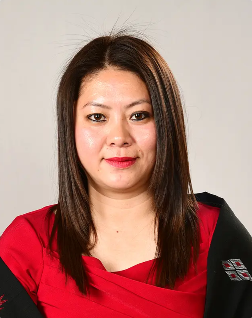
David Hangshing was arrested by the NIA in August 2018 over allegations of conspiring with politicians, including then-MLA Yamthong Haokip, to steal 56 pistols and 58 magazines from the 2nd Manipur Rifles Battalion armoury in Imphal.
In March 2022, David Hangshing and several KRA cadres were arrested after they had left their designated camp near Lhungtin village and fired military-grade firearms into the air to celebrate his wife’s electoral victory.
The KRA has also faced accusations of operating parallel taxation arrangements and collecting protection money from commercial transport operators travelling through areas under its influence. Civil society complaints have further questioned the extent of Kimneo Haokip Hangshing’s organisational connections, citing documents associated with the Geneva Call Deed of Commitment bearing her signature as a secretary of the Kuki National Organisation (KNO).
The concerns are not confined to two constituencies.
Paolienlal Haokip, MLA from Saikot, has faced allegations from security analysts and political representatives concerning his links with the KNO and Kuki National Army (KNA). Multiple complaints and petitions have questioned his political activities, alleged support for armed organisations and propagation of extremist ideologies.
In September 2025, Thadou civil society leader T. Michael Haokip and Meitei representative M. Bobby Meetei submitted a joint affidavit to the President of India through the Manipur Governor, seeking action against him. Their petition raised questions about his electoral registration history, family members’ electoral records and the validity of his claimed “Scheduled Tribe” identity.
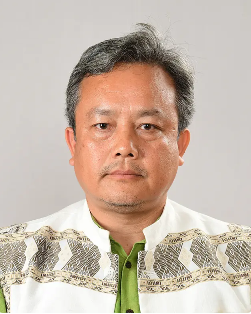
Letpao Haokip, BJP MLA from Tengnoupal and a Cabinet Minister, has also faced repeated allegations from civil society organisations and security analysts concerning close relationships with leaders of the KNA and United Kuki Liberation Front (UKLF). Critics have questioned whether these relationships have contributed to the political and territorial fragmentation of Manipur.
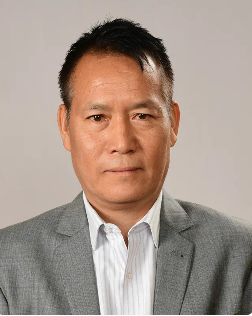
Similarly, Henglep MLA Letzamang Haokip has been accused of maintaining political and personal ties with leadership networks of the KNO/KNA and KNF-Military Council (KNF-MC). Particularly serious are claims that the KNO leadership issued electoral instructions before the 2022 Assembly elections, directing cadres and organisational networks to ensure victories for selected candidates, including Letzamang Haokip.
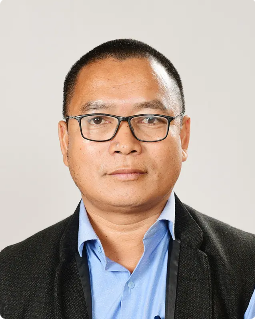
Saitu MLA Haokholet Kipgen has also attracted scrutiny over alleged connections with the United People’s Front (UPF) network and KNF factions. His family relationship with Jangboi Kipgen, identified as the Home Secretary of KNF(P), has become particularly controversial amid allegations reported in late 2026 that he was sent to attend Assembly proceedings in Imphal with a mandate for lobbying against the NIA’s efforts to arrest Jangboi Kipgen in connection with investigations into the killing of Naga civilians.
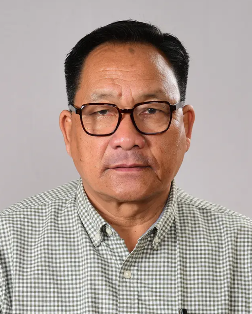
Meanwhile, L.M. Khaute, BJP MLA from Churachandpur and former Director General of Police of Manipur, has faced criticism over him taking Z-grade security and abandoning his constituency immediately before the outbreak of violence on May 3rd, 2023. Critics argue that tensions in Churachandpur had been escalating for days, culminating in the ITLF-led shutdown and the burning of an open gym facility on April 27. They question why his administrative and policing experience was not deployed more effectively to prevent further deterioration.
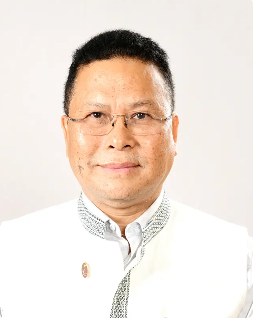
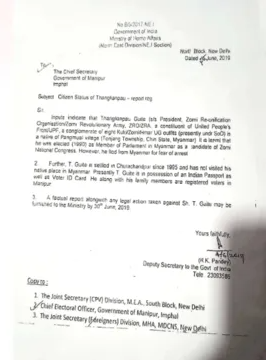
Perhaps the most revealing indication of how deeply this political model has become entrenched is provided by the announced electoral ambition of 33-year-old Dr Thangkhankhup Guite, son of Thanglianpau Guite, president of the Zomi Reunification Organisation (ZRO).
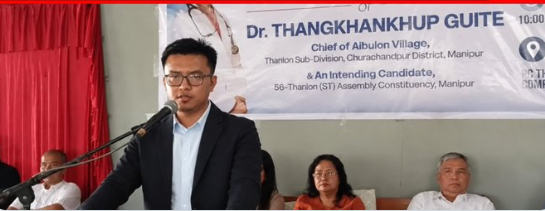
The ZRO is the parent organisation of the Zomi Revolutionary Army (ZRA), which operates within the UPF umbrella under the SoO arrangement. Dr Guite has announced his intention to contest the 2027 Assembly election from Thanlon constituency.
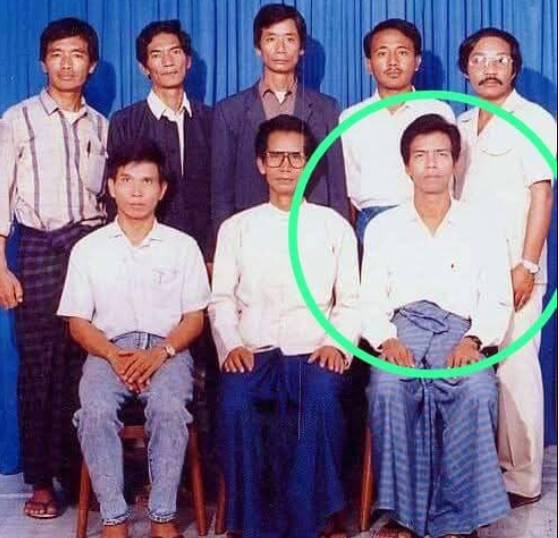
His father’s background has itself attracted scrutiny. Following enquiries by the Union Home Ministry, a notice addressed to the Manipur Chief Secretary questioned how Thanglianpau Guite has obtained an Indian passport inspite of being a native of Pangmual village in Tonzang township under Chin State of Myanmar. According to the notice, he was also elected to Myanmar’s Parliament in 1990 as a Zomi National Congress candidate before fleeing the country.
The cumulative picture is deeply disturbing.
Armed organisations that can influence the election of legislators, maintain access to political decision-makers, collect money through parallel taxation systems and potentially influence government responses to its violations are parallel political authorities. The very existence of such parallel power structures is fundamentally incompatible with the sovereignty of the Indian state.
The greatest danger is the institutional incentive this arrangement creates. When politicians discover that armed organisations can deliver electoral victories, the temptation to cultivate such relationships becomes irresistible. When armed organisations discover that political connections can shield them from consequences, compliance with ceasefire arrangements becomes optional. And when governments repeatedly choose political convenience over enforcement, the credibility of the state itself begins to collapse.
Ordinary citizens pay the price. Civilians lose their lives, businesses face extortion, transport operators are subjected to coercion, communities are displaced and democratic representation becomes increasingly detached from the free will of voters.
India needs an unequivocal legal and administrative response.
The SoO ground rules must be enforced without political discrimination. Violations involving weapons, unauthorised movement, intimidation, extortion, recruitment and attacks on civilians must trigger credible investigations and proportionate consequences.
An independent investigation should examine allegations of armed-group interference in Assembly elections, including intimidation, electoral diktats, coercion and the use of organisational networks to secure victories for preferred candidates.
A transparent conflict-of-interest framework must address the relationship between elected representatives and armed organisations. Relevant financial, organisational and beneficial interests must be disclosed, with safeguards against the use of political office to advance the interests of prohibited or armed entities. Family relationships alone cannot establish wrongdoing, but neither should they become a convenient shield against scrutiny where evidence of active collusion exists.
Finally, the Central Government must recognise that the SoO arrangement is an instrument for achieving peace, not a licence for armed organisations to acquire political legitimacy while retaining coercive power.
Manipur cannot be allowed to drift towards a system in which armed organisations determine who gets elected, politicians protect those organisations and citizens are left to negotiate their everyday existence with competing centres of coercive power.
The ballot must remain sovereign. It cannot become an extension of the gun.