What TV doesn't, print can't; we deliver.
What TV doesn't, print can't; we deliver.
What TV doesn't, print can't; we deliver.
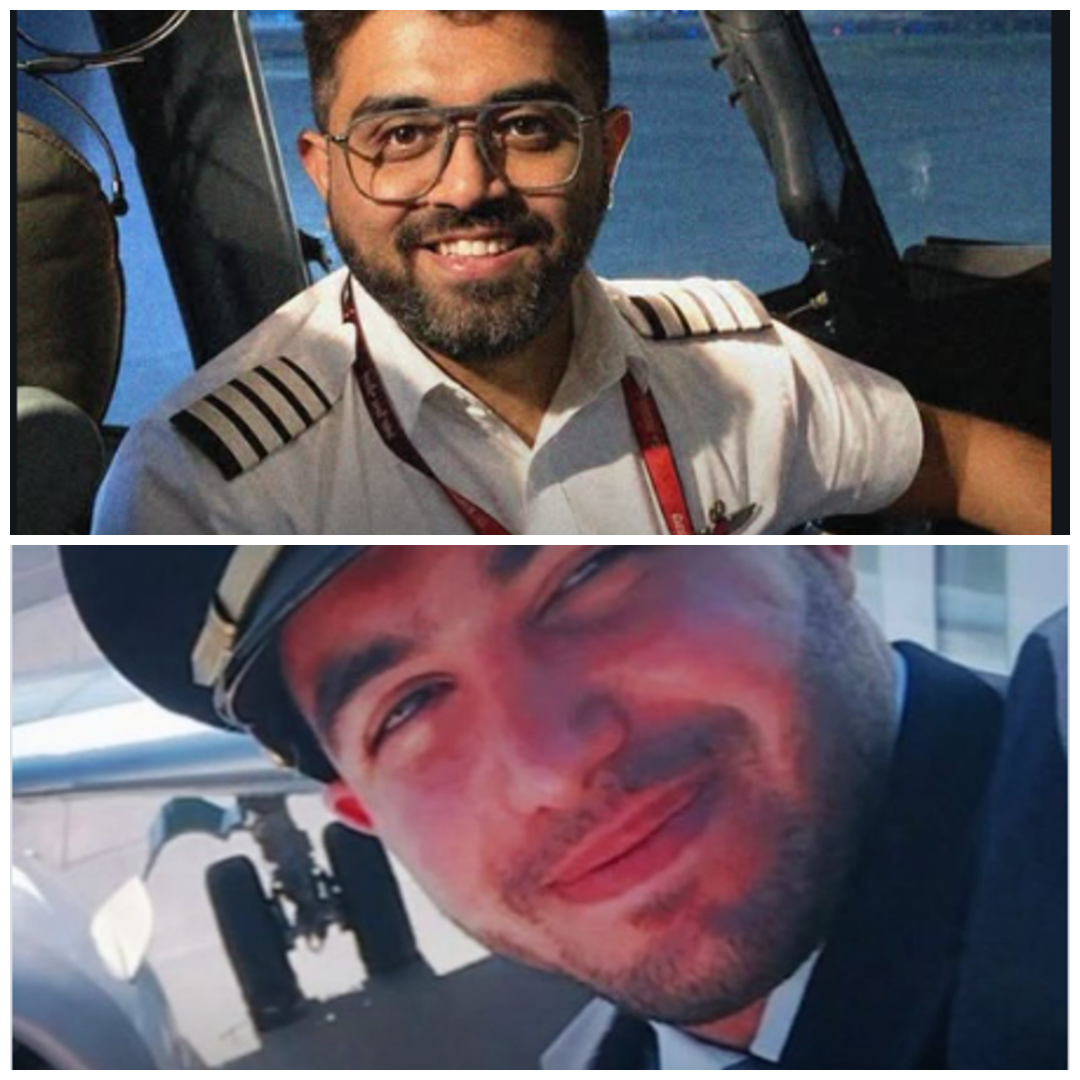
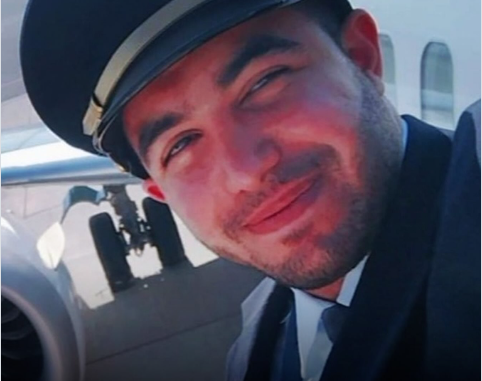
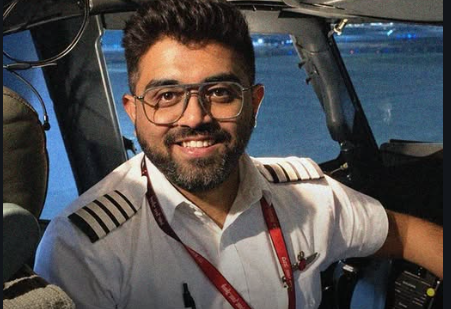
The attempted destruction of Flydubai Flight FZ1073 is a devastating warning about what happens when a person entrusted with the lives of hundreds allegedly turns against the very aircraft he is supposed to protect. On September 30, the Dubai–Tel Aviv flight descended violently after its Omani co-pilot Hamam al-Hammami attempted by murder Indian Captain Smit Machchhar and seize control of the aircraft. The UAE Prosecutor General has formally described the incident as a “terrorist” attack.
A seriously wounded Captain Machchhar managed to open the cockpit door, allowing Cabin crew, passengers and other qualified pilots to intervene. Ultimately, the aircraft was diverted safely to Tabuk, Saudi Arabia. His actions turned what could have been a disaster into a story of survival and bravery.
Ongoing investigations by intelligence agencies and major news outlets have uncovered alarming details about Hamam al-Hammami’s history of radicalisation, raising serious questions about how he managed to remain in commercial cockpits despite being flagged as a major security threat.
According to reports from The Wall Street Journal and ABC News, al-Hammami was flagged as a severe security risk in 2024 while working as a co-pilot trainee for the national carrier Oman Air. Authorities discovered that al-Hammami possessed radical literature and extremist materials. Reports indicate he spent significant time in Syria, where investigators believe he underwent initial Islamist radical indoctrination before returning to the Gulf region.
Because of these radical ideological views, Omani aviation authorities formally barred him from flying duties and removed him from flight training. While Oman Air permitted him to continue working temporarily in a strictly ground-based, administrative capacity, he was permanently flagged as a national security risk. After leaving Oman Air in early 2025, al-Hammami managed to gain employment with Royal Air Maroc for several months before being hired by Flydubai around February 2026. He had been operating flights for Flydubai for only eight months before launching the cockpit attack. Sources close to the investigation revealed that al-Hammami intentionally sought out sensitive routes. He specifically targeted Flight 1073 connecting the UAE and Israel with the explicit intent to crash the commercial aircraft inside Israel.
Aviation security cannot end at the airport perimeter. It must extend into the professional history, ideological radicalisation indicators, psychological suitability and security clearances of those given command authority over commercial aircraft.
The industry should therefore urgently examine whether existing cross-border pilot vetting and information-sharing systems are sufficient.
There is also a legitimate debate over greater transparency for passengers. Passengers entrust their lives to the flight crew and deserve confidence that those exercising command authority have undergone rigorous, continuously updated security screening.
Whether publicly identifying every pilot before departure is the right mechanism requires careful consideration of security, privacy and operational risks, but the principle of meaningful passenger assurance should not be dismissed.
Flight FZ1073 survived because Captain Smit Machchhar refused to surrender. Aviation security must ensure that such courage is never again required to compensate for a preventable security failure.