What TV doesn't, print can't; we deliver.
What TV doesn't, print can't; we deliver.
What TV doesn't, print can't; we deliver.
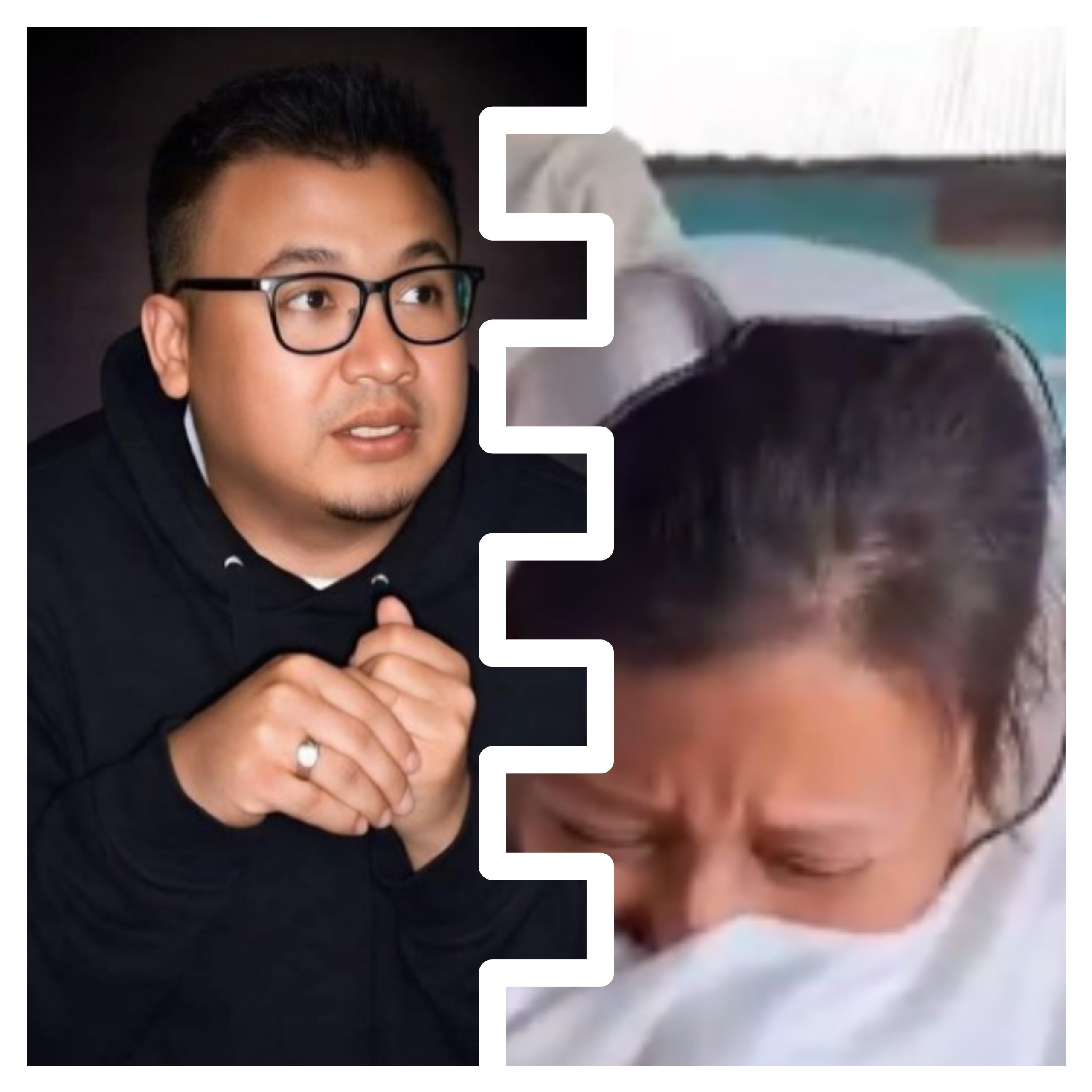
In a dark clearing on a hillside in Manipur’s Churachandpur district, a young man knelt with folded hands and begged for his life.
Moments later, he was executed.
Twenty-eight-year-old Mayanglambam Rishikanta Singh, a Meitei from Kakching Khunou in the Imphal valley, was shot point-blank with an AK-series assault rifle. The killing was filmed. The video released by the perpetrators themselves shows Singh on his knees, hands clasped in a final plea. There is no sound. Only the flash of the rifle briefly tears through the darkness.
Overlaid on the footage are chilling words: “No peace, no popular government.”
This was not just a murder. It was a message.
Singh worked in Nepal and had returned to Manipur on leave. His purpose was deeply personal: to meet his wife C. Haokip, a woman from the Kuki community, in Churachandpur.
According to sources, his wife had sought and allegedly obtained permission from the Kuki National Organisation (KNO) and its Tuibong district headquarters to allow Singh to visit her for a few days. Trusting that assurance, Singh crossed into an area that Meiteis and Kukis have largely avoided since ethnic violence engulfed Manipur in May 2023.
He never returned.
The KNO, an umbrella body of Kuki insurgent groups operating under a Suspension of Operations (SoO) agreement with the Government of India, has categorically denied granting any such permission or having any knowledge of Singh’s visit.
“Under no circumstances is any spouse of our people from any other community ever subjected to such activity,” the organisation said in a statement.
The United Kuki National Army (UKNA) — which is not part of the SoO framework — has also denied involvement.
Yet the fact remains: Singh was abducted, filmed, and executed in territory dominated by armed groups, in a district where the writ of the state has visibly collapsed.
The circumstances surrounding the murder strongly suggest that this was not a random act of violence, but a calculated provocation.
The video’s release, the political slogan embedded in it, and the timing — amid ongoing talks over government formation while Manipur approaches one year under President’s Rule — point to a deliberate attempt to inflame ethnic tensions and derail any fragile move toward political normalcy.
Under the SoO agreement, insurgents are required to remain in designated camps, with weapons locked and monitored. The presence of armed men freely executing a civilian with a military-grade rifle raises uncomfortable questions about enforcement, oversight, and accountability.
The police recovered Singh’s body from a village in Churachandpur and brought it to a local hospital at around 1:30 a.m. No arrests have been reported so far.
The tragedy has been further complicated by disturbing claims made by Singh’s family.
In an interview with ImpactTVNews, a family member alleged that Singh was deceived into coming to Churachandpur.
“The Kuki wife tricked the Meitei guy into coming to Churachandpur. He worked in Nepal and handed over his entire salary to her, without giving even a penny to his family. We didn’t even know he was back from Nepal.”
These allegations add a deeply painful dimension to the case, raising questions of trust, coercion, and exploitation across ethnic fault lines already soaked in blood.
Equally alarming is what followed online.
Social media posts on X (formerly Twitter) by prominent journalists such as Tanushree Pande and organisations like the Meitei Heritage Society, which uploaded the video of the execution were withheld in India — a step that cannot occur without an explicit request from the Central Government.
In a democracy, such suppression raises serious concerns about transparency, press freedom, and the state’s willingness to confront inconvenient truths.

This case cannot be reduced to a Meitei-Kuki binary alone.
At its core, the execution of Mayanglambam Rishikanta Singh represents a total breakdown of civilian protection, the normalisation of armed authority over civilian life and the failure of the state to guarantee even the most basic right to live.
A man was killed not in combat, not in crossfire, but on his knees, begging.
If such an act can be recorded, circulated, denied, politicised, and quietly buried under administrative silence, then Manipur’s crisis is no longer merely ethnic or regional. It is constitutional.
Until the perpetrators are identified and prosecuted, until armed groups are genuinely disarmed, and until victims’ voices are neither censored nor dismissed, peace in Manipur will remain an illusion — and justice a distant promise.
Mayanglambam Rishikanta Singh’s final moments demand more than outrage.
They demand accountability.