What TV doesn't, print can't; we deliver.
What TV doesn't, print can't; we deliver.
What TV doesn't, print can't; we deliver.

On 1 March 2025, four large-scale public protests unfolded across Kolkata, Lalbagh and Basirhat, not over unemployment, local violence, or civic distress, but over the death of a foreign ruler thousands of kilometres away.
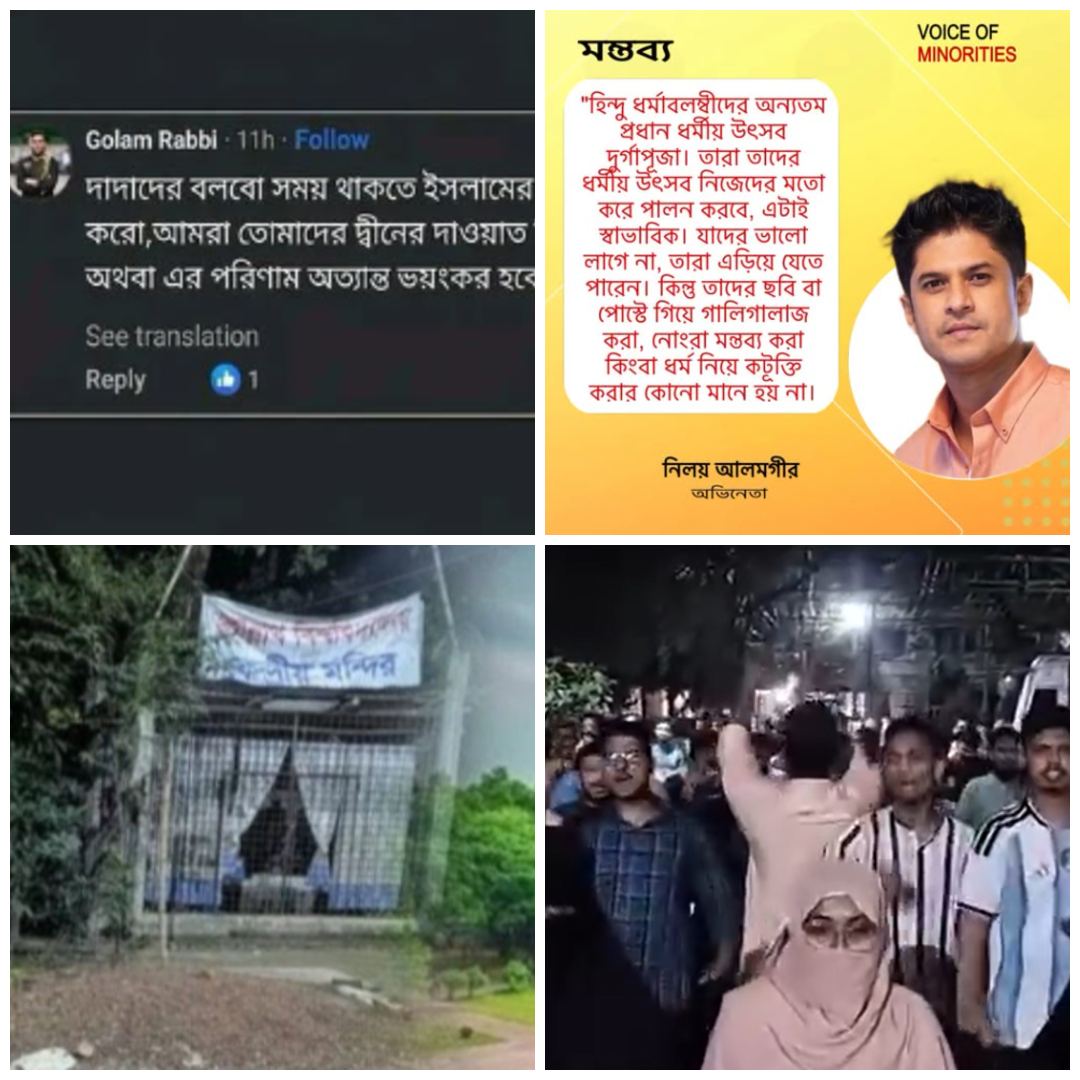
A commemorative gathering was organised for the late Iranian supreme leader Ali Khamenei in Sakchura Sarania of Basirhat. Hundreds of demonstrators occupied a main road for hours, halting traffic while waving Iranian flags. In Lalbagh of Murshidabad district, a candle march drew large crowds of men, women and children carrying portraits of Khamenei in solemn procession.
In Kolkata, several hundred activists from the Socialist Unity Centre of India (Communist) marched near the U.S. Embassy, condemning what they termed “American and Israeli aggression against Iran.” Meanwhile, dozens of members of the Minority Yuva Federation staged their own protest in support of Khamenei and his theocratic regime.
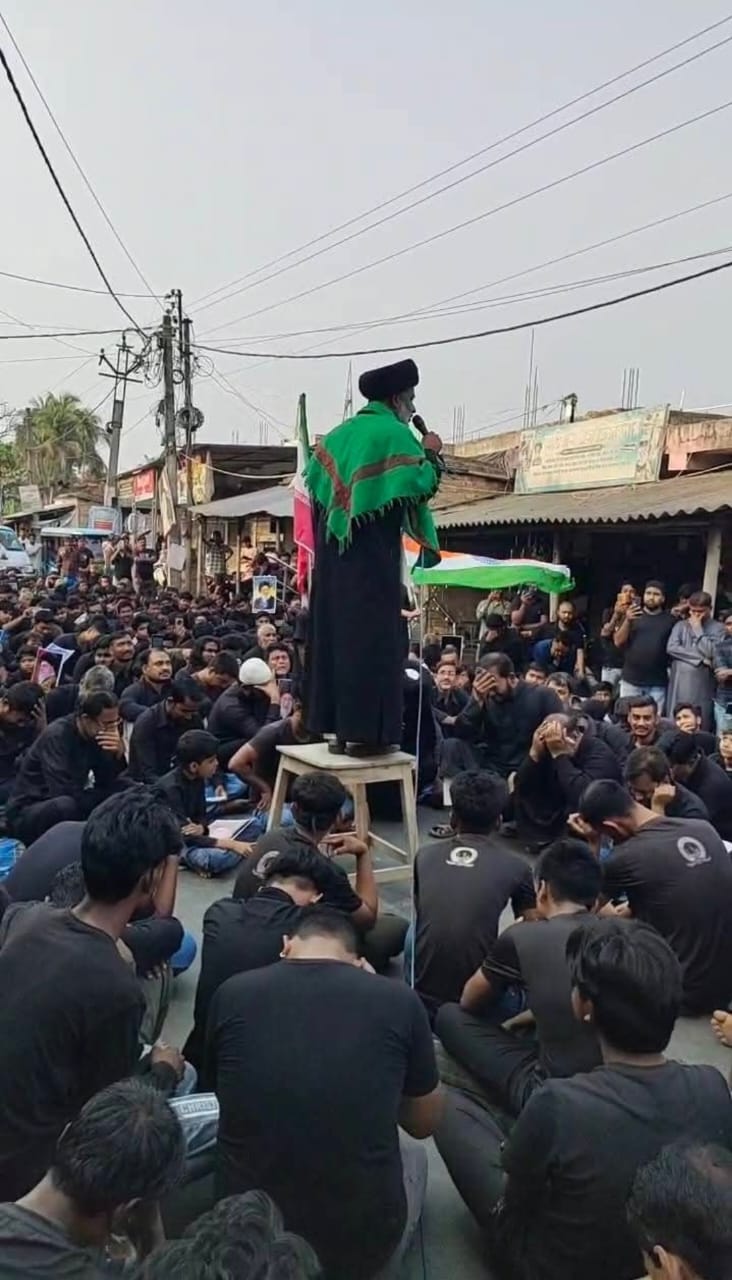
Scenes from the commemorative gathering in Basirhat
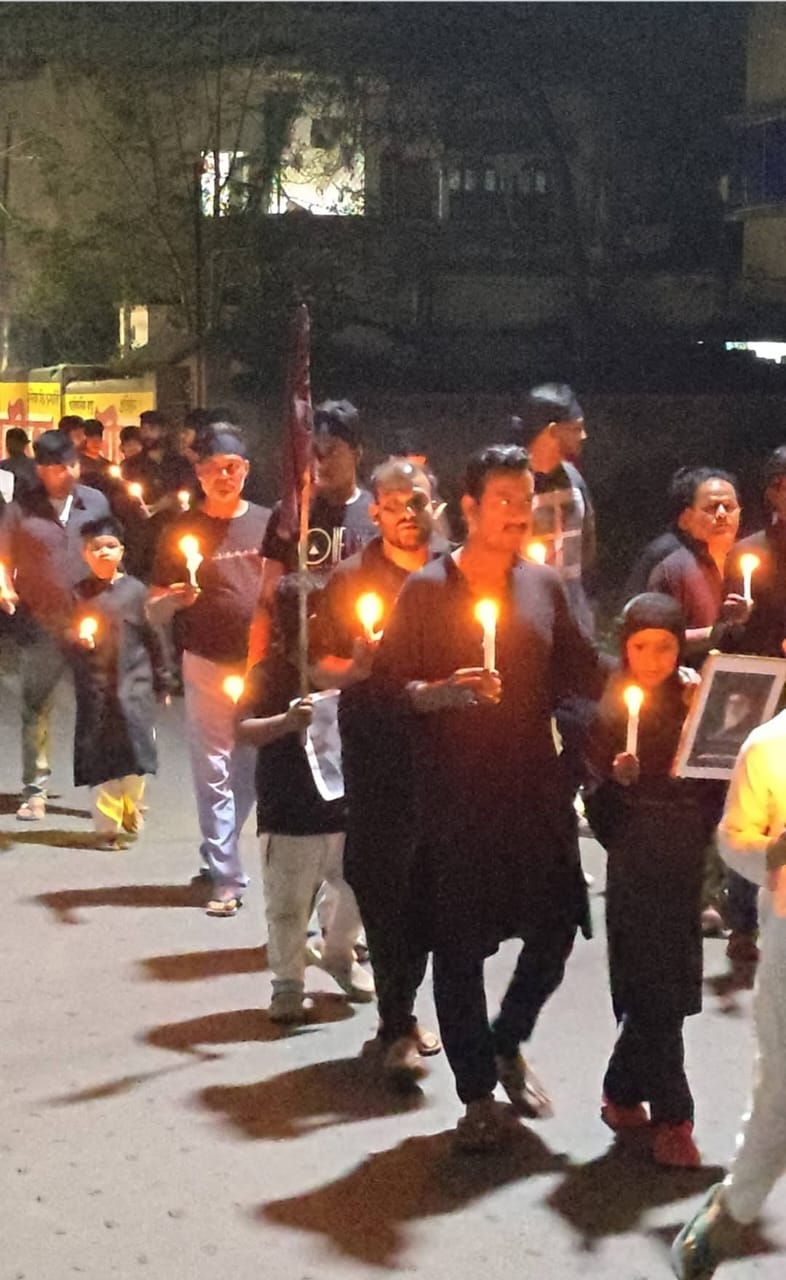
Candle March at Lalbagh in Murshidabad
These public rallies came after Iranian state media confirmed Khamenei’s death in coordinated U.S.–Israeli airstrikes, an event that has triggered mourning, protests, and heightened regional tensions.
Khamenei was not merely a cleric but the long-time supreme leader of Iran, a theocratic state where domestic dissent has been repeatedly met with brutal suppression. Under his nearly four decades in power, Iran’s security forces brutally cracked down on major protest movements, including the Woman, Life, Freedom uprising that erupted after the death of Mahsa Amini in 2022, resulting in thousands killed, wounded, or detained.
Human rights organisations and exiled Iranian dissidents have documented systemic abuses under his rule: executions without fair process, targeted violence against women and minorities, and pervasive denial of basic freedoms. In recent months, some Iranians have taken to the streets celebrating his demise, seeing it as a potential turning point after years of repression, even as others fear chaos and instability.
Yet in parts of India, especially in West Bengal, the public mobilising around Khamenei’s death often came from political circles that have been conspicuously silent in the face of violence and injustice closer to home. None of these organisations had taken to the streets when Indian soil was targeted by terror attacks, or when minority Hindu face harassment and marginalisation in neighbouring Bangladesh. There was no mobilisation against abuses within Iran’s borders prior to his death, despite widespread documentation of state violence against protestors, women, and dissidents.
Political mobilisation is a democratic right. But when outrage inflames public streets for foreign causes, especially for a leader widely criticised for repression and human rights abuses, yet remains muted on issues that directly affect local communities or reflect similar concerns of justice and dignity, it invites a deeper question: whose values are being defended, and for whom?
Selective outrage doesn’t just diminish the cause it champions, it undermines the very principles of justice and solidarity it claims to uphold.