What TV doesn't, print can't; we deliver.
What TV doesn't, print can't; we deliver.
What TV doesn't, print can't; we deliver.

Once again, a life from Bangladesh’s Hindu minority has been extinguished with chilling familiarity.
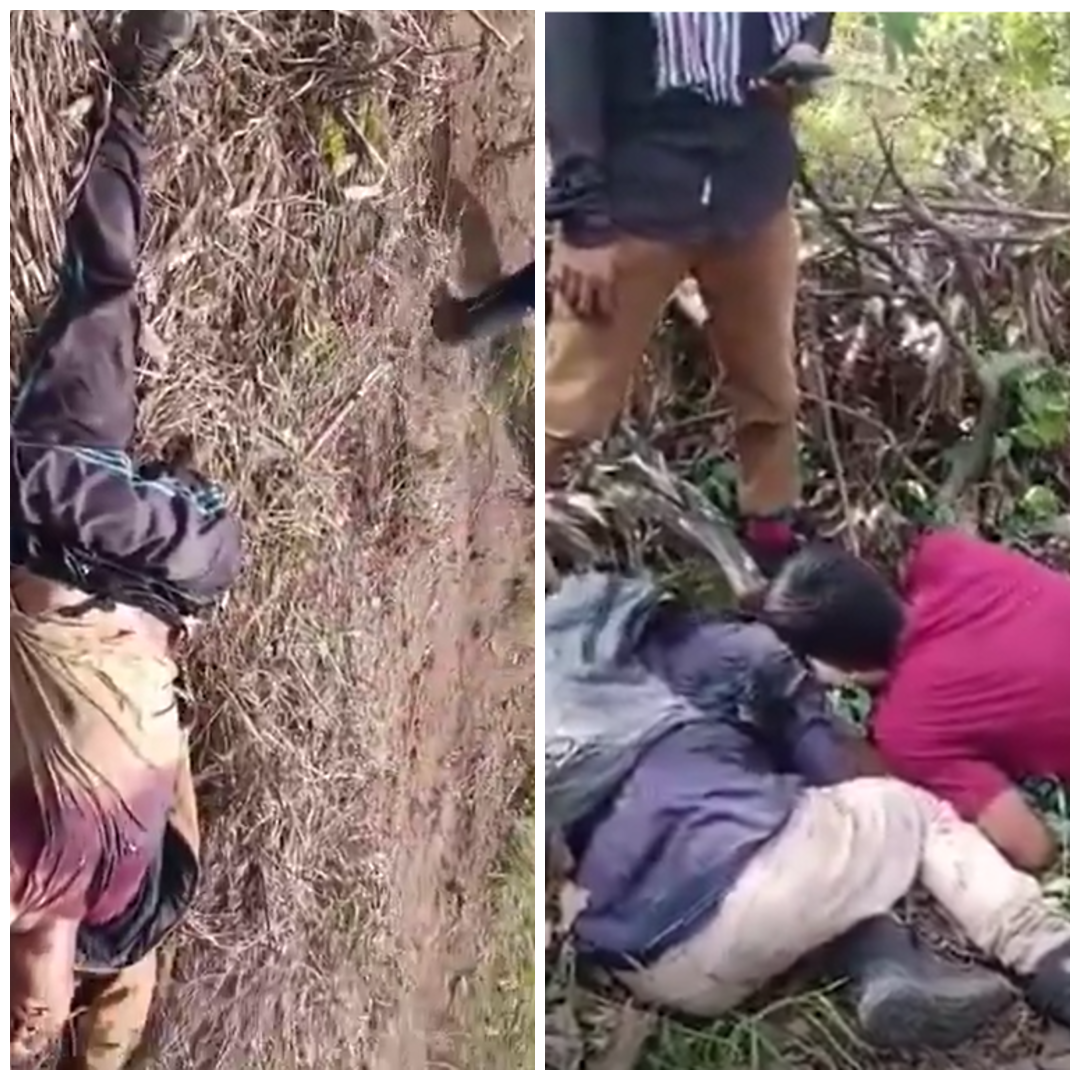
Sarat Chakraborty Mani, a 40-year-old Hindu shopkeeper, was attacked with sharp weapons at Charsindur Bazaar in Palash Upazila of Narsingdi District on the outskirts of Dhaka on 5th January. Gravely wounded, he died while being rushed to hospital. By the time dawn broke, another Hindu household had joined a growing list of families learning through blood that minority life in Bangladesh remains dangerously expendable.
Sarat was not a man with known disputes or overt political affiliations. He ran a small grocery shop. He lived modestly. He had worked abroad in South Korea, returned home, built a house, and hoped like countless others that honest labour would be enough to secure dignity and safety.
According to a close associate of the family, speaking on condition of anonymity due to fear of reprisals, Sarat had been threatened just days before his murder. Islamist extremists demanded a large sum of money, explicitly telling him that if he wished to continue living in Bangladesh as a Hindu, he would have to pay jizya, a religiously framed protection tax historically imposed on non-Muslims.
The threats were unambiguous. If he went to the police, his wife would be abducted. If he resisted, he would be killed. The message was feudal, medieval, and unmistakable: pay, submit, or die.
Sarat refused to pay and was murdered.
These allegations have been publicly stated by Bappaditya Basu, a prominent social activist who personally knew Sarat Chakraborty Mani. The police have yet to publicly contradict or seriously investigate these claims.

Activist Bappaditya Basu
Neighbors describe Sarat as calm, humane, and socially responsible. “There can be only one reason he was killed,” one said quietly. “He was Hindu.”
Weeks before his death, Sarat wrote on Facebook:
“So much fire everywhere, so much violence. My birthplace has turned into a valley of death…”
It reads now less like despair and more like a premonition.
He leaves behind his wife Antara Mukherjee and his 12-year-old son Abhik Chakraborty, a child who will grow up knowing that his father’s refusal to submit to religious extortion cost him his life.
Bappaditya Basu’s accusation is severe but it reflects a sentiment increasingly voiced by Bangladesh’s shrinking Hindu community: that the state’s persistent failure to protect minorities has crossed into complicity.
When a religious minority can be openly threatened with jizya, and then murdered for refusing to pay it, the issue is no longer communal tension—it is systemic persecution.
Bangladesh was born in 1971 rejecting religious majoritarianism. Its Constitution promises equality. Yet today, the re-emergence of religiously justified extortion and murder marks a dangerous regression that international human rights bodies cannot afford to ignore.
This is not about politics, rhetoric or affiliations with India.
It is about a man who was told: your life has a price because of your faith and when he refused to pay, he was killed.
If this is allowed to continue unchecked, the question will no longer be whether minorities are being driven out of Bangladesh but how long the world will pretend not to notice.