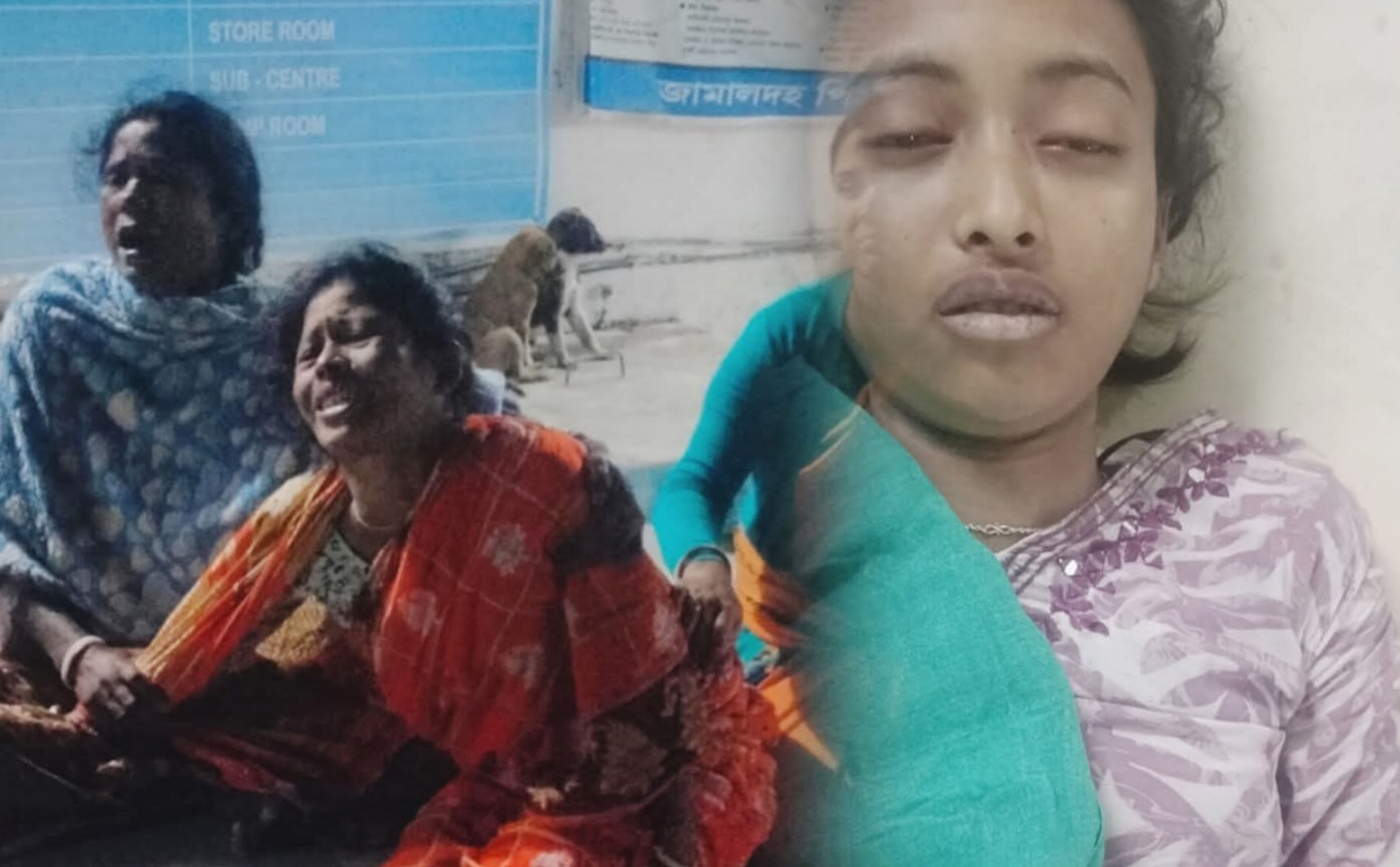
On 12 February 2026, a fifteen-year-old girl named Shefali Barman died by suicide in Jamaldah under the jurisdiction of Mekhliganj Police Station in Cooch Behar. She was a Class X student of Jamaldah Tulsi Devi High School and had just appeared for her Madhyamik examination, a milestone meant to mark the beginning of her future.
Instead, it marked the end of her life.
According to her family’s complaint, Shefali had been in contact with Humayun Kabir Miyan, who they allege initially built trust under a false identity. When Shefali reportedly discovered what her family describes as his real identity, she ended the relationship.
What followed, they claim, was sustained intimidation. Her family alleges repeated threats, emotional blackmail and pressure to elope and marry him. They further claim she was warned of severe consequences, including threats to her life, if she refused. There are also allegations that she was coerced to change her faith, a claim that investigators will need to examine carefully through evidence.
On 12 February, allegedly unable to bear the psychological pressure, Shefali took the extreme step.
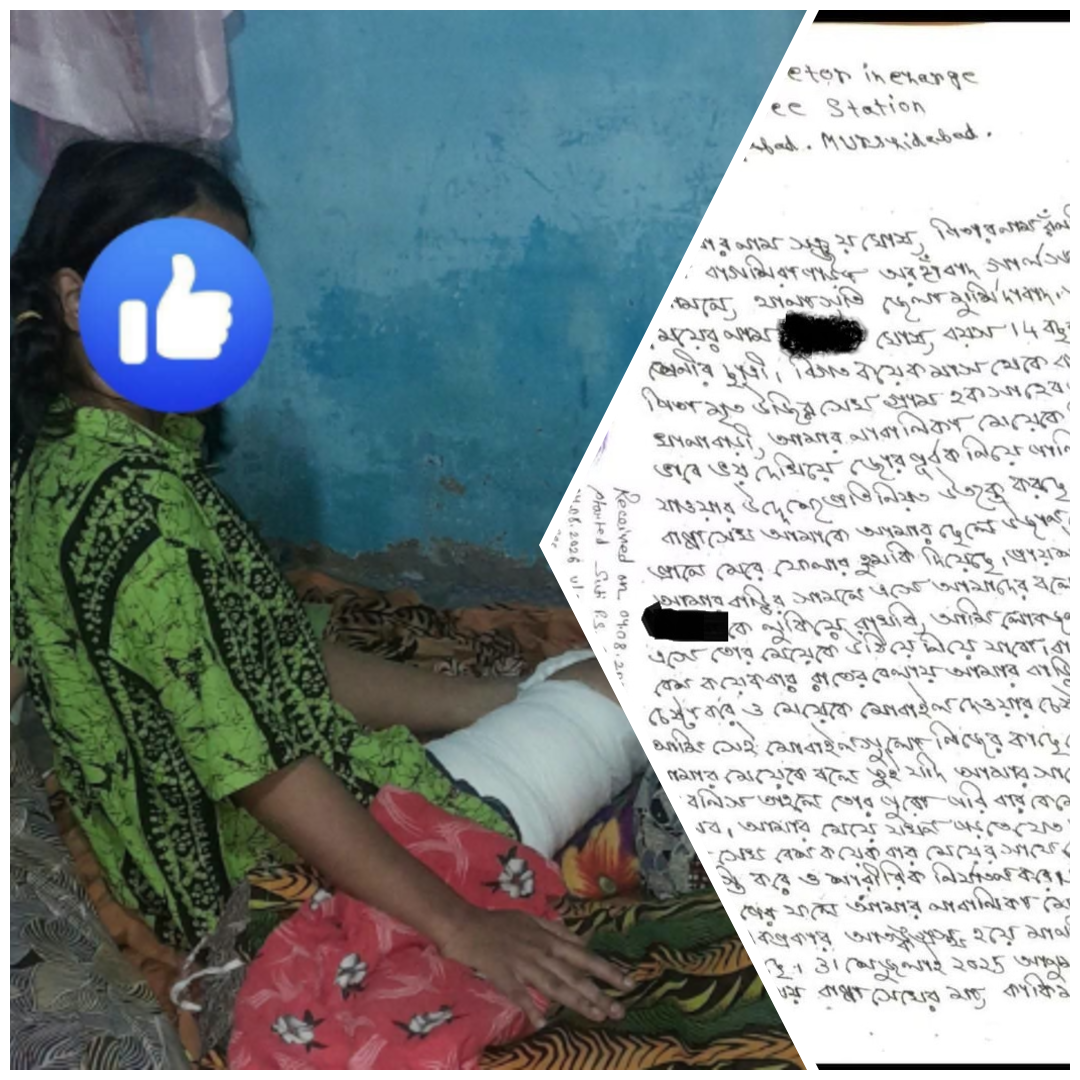
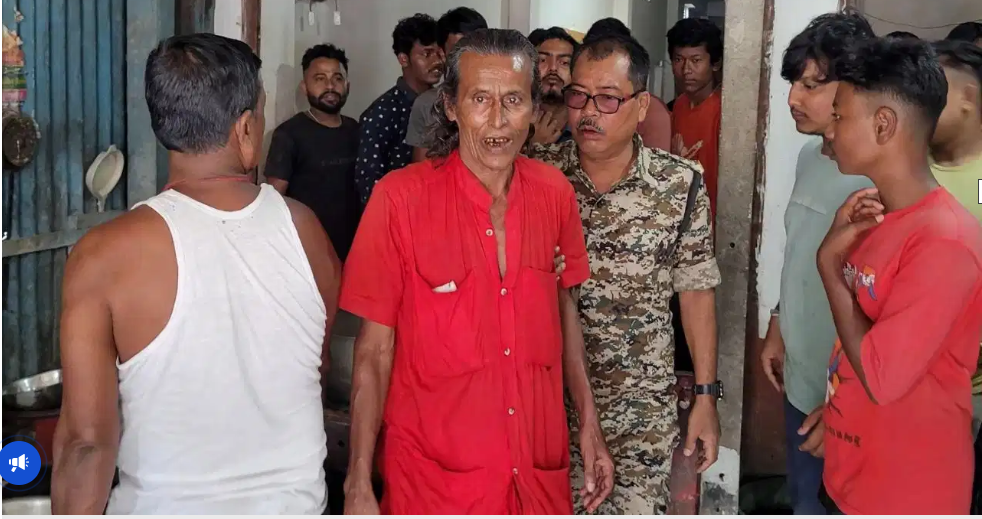
Her mother filed a formal complaint at Mekhliganj Police Station. Police have confirmed that a case has been registered, the accused has been arrested, and an investigation is underway. Authorities are examining digital communications, call records, and statements from family members and others connected to the case.
The Hard Questions
This tragedy did not erupt in a vacuum.
Local residents reportedly protested on 13 February demanding swift action. The arrest followed on 14 February — two days after Shefali’s death. The sequence raises painful but necessary questions:
-
Did warning signs go unnoticed or unaddressed?
-
If intimidation was ongoing, why was protective intervention not immediate?
-
Why was a fifteen-year-old left to navigate alleged threats alone?
When minors are involved, delay can become irreversible failure.
Coercion Is Not “Young Love”
Too often, harassment within adolescent relationships is trivialized as immaturity. But when allegations include false pretences, blackmail, threats of forced elopement, and psychological pressure, the matter moves beyond teenage conflict.
Emotional coercion is a form of violence.
For a minor preparing for board examinations, sustained intimidation can create suffocating isolation. The fear of social stigma, family distress, and public exposure compounds the pressure. A fifteen-year-old does not possess the psychological armor of adulthood.
If the allegations are proven, this is not a story of heartbreak. It is a story of manipulation escalating into tragedy.
A Systemic Failure to Protect
Beyond individual culpability lies a larger structural issue:
-
Where are rapid-response mechanisms for minors facing intimidation?
-
Are schools equipped with accessible counseling systems?
-
Do families and communities know how to seek immediate legal protection in cases of coercion?
Early intervention saves lives. Silence and delay do not.
Shefali was not a hashtag. Not a statistic in a debate. She was a daughter and a student standing at the edge of possibility.
Her death is irreversible. But what follows it need not be meaningless.
Concrete justice must include transparent investigation, accountability for any institutional lapses, stronger safeguards for minors, and public awareness about digital manipulation and emotional blackmail.
If a fifteen-year-old feels that death is the only escape from fear, society has failed long before the final act.
Let this not fade into outrage and then forgetfulness.
Let it force reform.