What TV doesn't, print can't; we deliver.
What TV doesn't, print can't; we deliver.
What TV doesn't, print can't; we deliver.

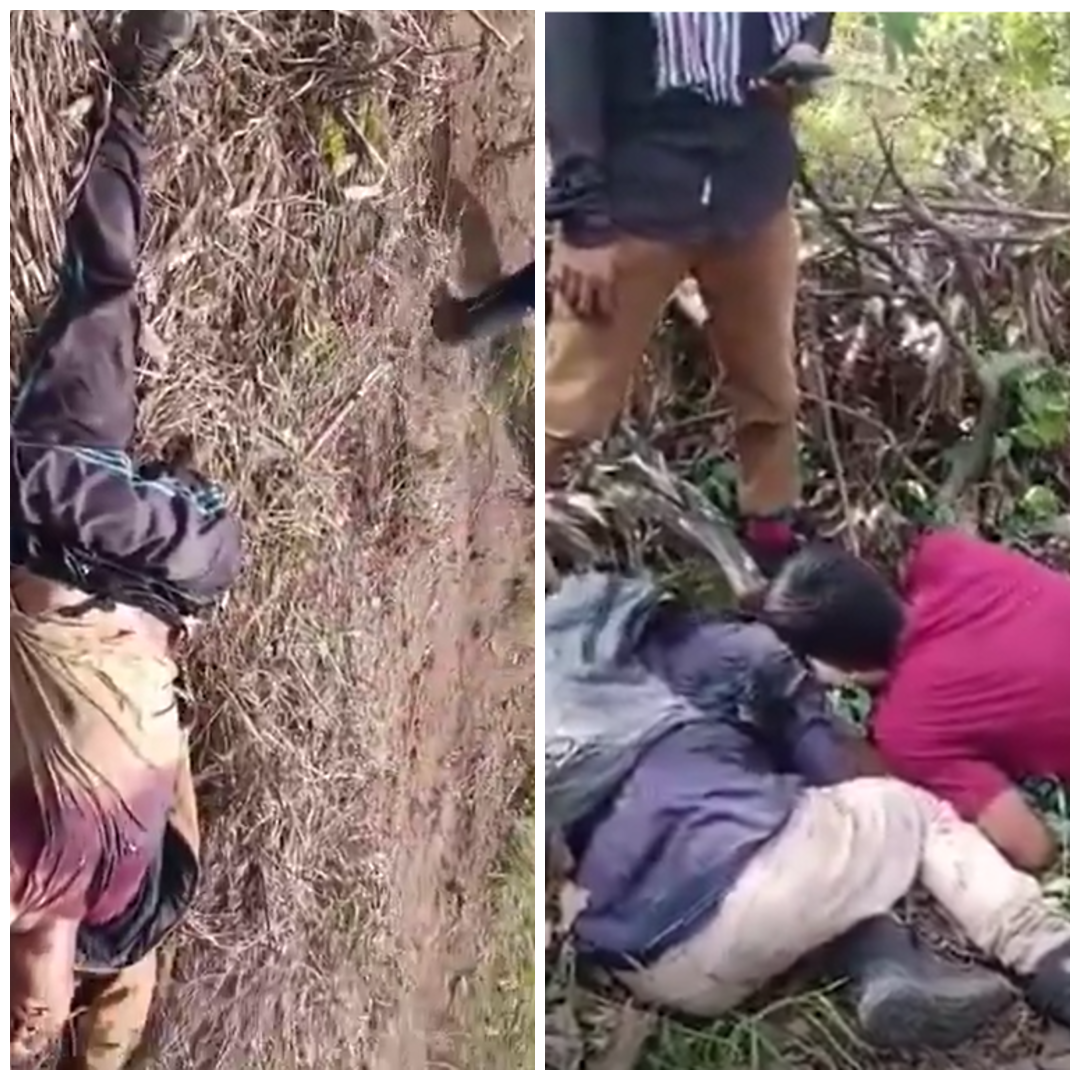
A fresh gunfight in Manipur’s volatile hill districts has underscored how disputes over land, governance and armed authority are converging into a dangerous flashpoint.
The Zeliangrong United Front (ZUF), an armed group representing Zeliangrong interests, has claimed responsibility for a military operation targeting what it described as Kuki underground camps near Kharam Vaiphei village in Kangpokpi district. According to ZUF’s statement, the exchange of fire resulted in serious injuries to at least two Kuki terrorists. Independent verification of the claims remains unavailable at the time of reporting.
In a detailed justification issued after the incident, ZUF said that their military wing was “compelled” to take action after repeated grievances went unaddressed. Central to its argument is a longstanding dispute over ancestral land ownership. ZUF alleges that demands for a separate administrative arrangement by Kuki groups extend into territories the Zeliangrong community considers historically and culturally its own.
The group further claims that unauthorised constructions like the illegal Tiger Road have been carried out across these lands without consent from local Zeliangrong communities, deepening fears of permanent demographic and territorial alteration.
One of the most contentious issues raised by ZUF concerns the Suspension of Operations (SoO) Agreement, a framework intended to reduce violence by placing armed groups under ceasefire conditions. ZUF alleges that certain Kuki militant factions have established illicit camps in close proximity to Zeliangrong villages while benefiting from SoO protections, creating what it describes as an atmosphere of intimidation and insecurity for civilians.
The SoO arrangement has long been criticised by sections of civil society and rival groups, who argue that weak monitoring and enforcement allow armed actors to consolidate power rather than demobilise.
ZUF has also accused Kuki groups of engaging in large-scale illegal poppy cultivation on lands it claims belong to the Zeliangrong people. According to them, narcotics cultivation has not only dispossessed indigenous communities but has also fuelled criminal economies, environmental degradation and armed patronage networks across Manipur’s hill regions.
Illegal poppy cultivation has emerged as a major policy and security concern in the state, drawing repeated warnings from authorities about its links to insurgency, flow of weapons and cross-border trafficking.
While ZUF frames its operation as defensive and compelled by circumstance, the incident highlights a broader and more troubling reality: most Manipur’s post-1949 conflicts have been defined by overlapping crises of land rights, ceasefire credibility, and militarised identity politics.
Without credible dispute-resolution mechanisms, transparent land adjudication and strict enforcement of ceasefire agreements, such confrontations risk becoming more frequent and more lethal. For civilians caught between competing armed claims, the costs are immediate and profound, leading to fear, displacement and the erosion of any remaining trust in state authority.
The clash near Kharam Vaiphei is not merely a localised firefight. It is a stark reminder that unless structural grievances are addressed, Manipur’s fragile hills may continue to slide from contested ground into permanent conflict zones.