What TV doesn't, print can't; we deliver.
What TV doesn't, print can't; we deliver.
What TV doesn't, print can't; we deliver.

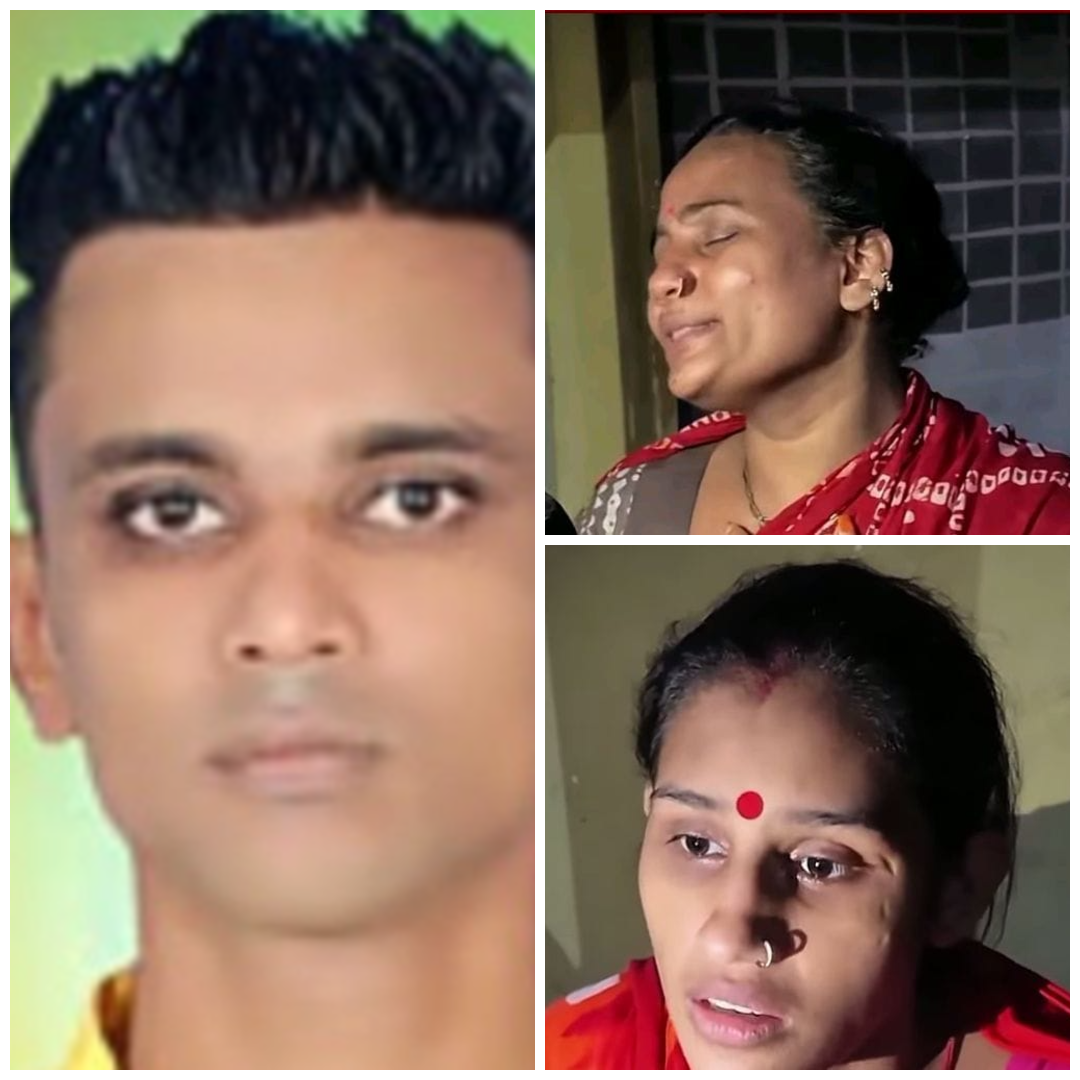
On the eve of Bangladesh’s General Elections, as the nation prepared to cast its votes and reaffirm its democratic mandate, a 28-year-old tea-garden worker lay bound, mutilated, and lifeless inside a plantation in Moulvibazar.
His name was Ratan Sahukar.
He was found on the morning of 11th February. His hands and feet had been tied tightly with rope. His body bore multiple deep gashes. Witnesses and co-workers say he had been repeatedly attacked with sharp weapons. The wounds were not superficial. They were deliberate. Violent. Intentional. This was not a scuffle or an accident.
Police have stated that investigations are ongoing and that authorities are examining whether the murder was politically motivated or the result of personal enmity. The body has been sent for post-mortem examination.
But for Bangladesh’s Hindu minority, this killing does not stand alone. It stands within a pattern.
The Human Rights Congress for Bangladesh Minorities (HRCBM) has documented at least 115 murders of Hindus between July and December 2025 alone. In January 2026, another 14 Hindus have lost their lives.
The scale is staggering.
Meanwhile, the Hindu Buddhist Christian Unity Council has documented 522 communally motivated atrocities against Hindus in 2025 alone , ranging from killings and assaults to arson, land grabs, desecration of temples, and intimidation.
Elections are meant to symbolize sovereignty of the people.
Yet minority communities often experience election seasons differently. Heightened political tension can intensify identity lines. Vulnerability deepens. Rumors spread faster. Fear travels quietly from household to household.
The discovery of Ratan Sahukar’s mutilated mortal remains one day before the General Election is not just a crime statistic.
It is psychologically devastating for
Authorities insist that law enforcement is taking each case seriously. They emphasize ongoing investigations and necessary measures to maintain order.
Unfortunately, the question is no longer whether individual cases are under investigation but whether systemic vulnerability is being addressed.
Because impunity (real or perceived) is as corrosive as violence itself.
Ratan Sahukar was 28 years old.
He worked in a tea garden.
He earned his living through manual labor.
He was not powerful.
He was not protected by influence.
He was found with his limbs bound, his body slashed repeatedly, left inside the very plantation where he worked. When a victim’s hands are tied, the message is not only about death. It is about domination. About helplessness. About sending a signal.
Minority communities understand signals.
Bangladesh’s Constitution guarantees equality before the law and protection of all citizens regardless of religion.
That promise is not tested in moments of calm. It is tested when a minority citizen is found tied and hacked to death days before an election, when atrocities accumulate and fear multiplies. It is tested when communities begin to whisper instead of speak.
If these murders are criminal acts unrelated to communal targeting, swift and transparent justice must prove it. If they are connected to identity-based hostility, the response must be unequivocal.
Because democracy is not only about ballots cast.
References :
https://hindus-news.com/news.php?id=1438