What TV doesn't, print can't; we deliver.
What TV doesn't, print can't; we deliver.
What TV doesn't, print can't; we deliver.

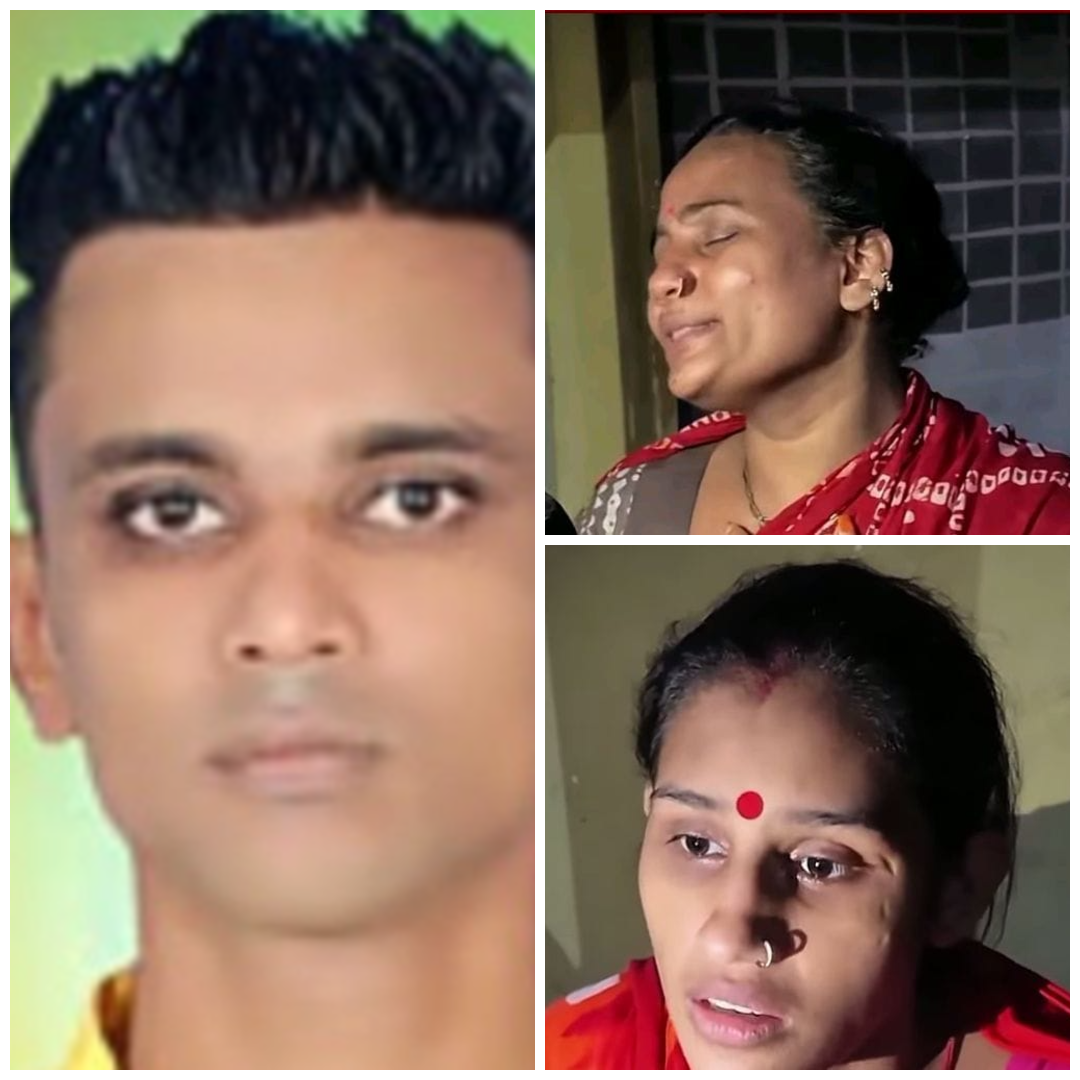
A Hindu family in Banshkhali has alleged sustained intimidation, restricted access to their property, and threats of violence in a dispute that underscores the precarious position of religious minorities in parts of Bangladesh.
At a press conference held on 21.03.2026, the family had described the breakdown of a long-standing informal agreement that has now escalated into a confrontation over access to their own home.
According to the family, their residence was constructed by their patriarch over three decades ago. Several years later, he had reportedly provided funds to a local acquaintance, whom they describe as a trusted friend, to facilitate the construction of a connecting access road. No formal documentation was created at the time.
The family alleges that, following their return from the city, the individual has denied the arrangement and blocked their access to the road, citing the absence of written proof.
The family further alleges that the dispute has escalated into sustained harassment, including:
They claim that while nearby Muslim households continue to use the route that they have been selectively denied access to.
According to the family’s account, the dispute has intensified in recent weeks, with repeated ultimatums to vacate the property. They further allege that these demands have been accompanied by explicit threats of violence.
The family has appealed to local authorities for protection and intervention, stating that the situation has reached a point where both their residence and personal safety are at risk.
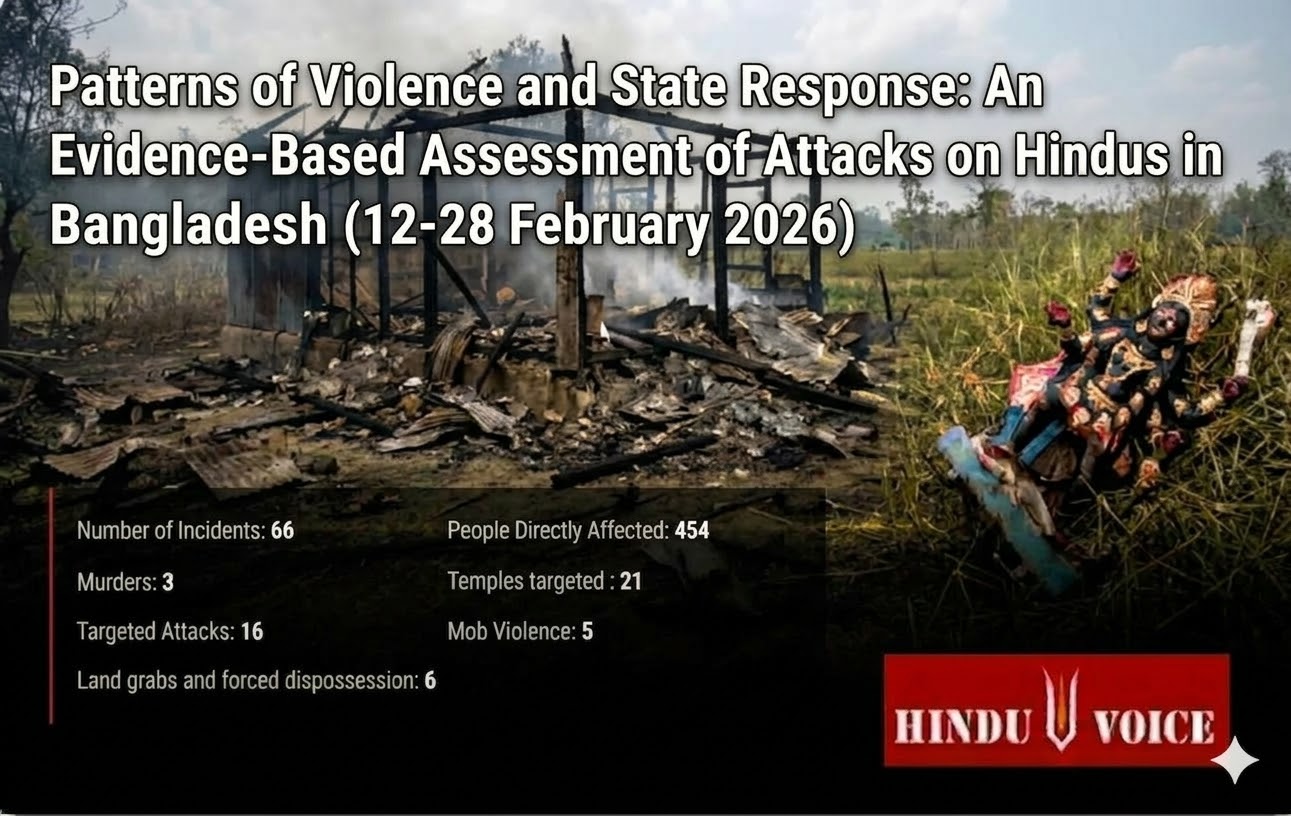
While the allegations in Banshkhali remain subject to investigation, available documentation suggests that such disputes are not isolated.
The Hindu Voice has recorded:
Separately, the Hindu Buddhist Christian Unity Council documented 66 incidents of land appropriation affecting minority communities across 2025.
These figures, while drawn from civil society reporting, point to a recurring pattern in which land disputes intersect with minority status, often placing affected families at a structural disadvantage in pursuing justice.
Land ownership disputes are not uncommon in Bangladesh. However, when such conflicts involve religious minorities, particularly in cases where documentation is weak and local power asymmetries are pronounced, they can evolve beyond civil disagreements into questions of access, security, and rights.
For the family at the centre of this case, the issue is immediate and personal. For policymakers, it raises a more systemic question of whether patterns documented across multiple cases are being adequately acknowledged and addressed.
The family has called for an impartial investigation and immediate protective measures. Whether this remains a localised dispute, or becomes another data point in a growing trend, will depend on how swiftly and effectively authorities respond.