What TV doesn't, print can't; we deliver.
What TV doesn't, print can't; we deliver.
What TV doesn't, print can't; we deliver.
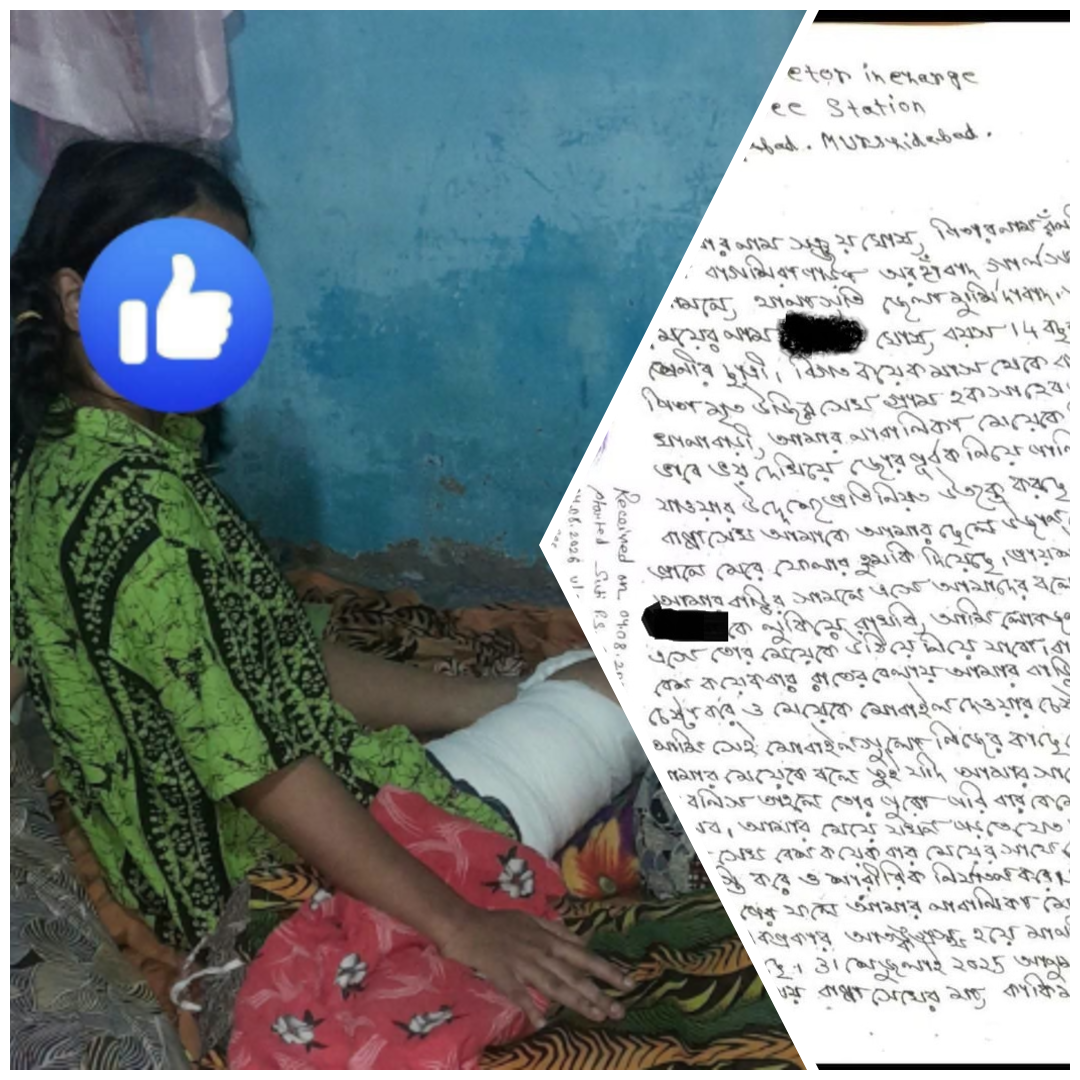
What began as a complaint by a female student against a university professor has evolved into a disturbing controversy that now raises fundamental questions about accountability, student safety and the treatment of whistleblowers within Biswa Bangla University.
At the center of the controversy are serious allegations against Dr. Asgar Ali, a professor at the university, who has been accused by a female Commerce Department student of using her private images to blackmail her over an extended period. The allegations have sent shockwaves across the university community, provoking anger among students and faculty members alike and triggering tensions that have placed the institution under intense public scrutiny.
The controversy intensified after the student, supported by university teachers Shilajit Bose and Mohammad Akhtar Hossain Mondol, formally sought intervention from the university administration. What followed, according to the two professors and several students, has become almost as controversial as the allegations themselves.
Rather than being met with an immediate, transparent and victim-centered response, the complainants allege that Vice-Chancellor Abu Taleb Khan sought to minimize the gravity of the accusations. Bose and Mondol claim that after bringing the matter to his attention, they were insulted and summarily dismissed. According to their account, the Vice-Chancellor responded with the remark, “Don’t play games with Asgar Ali,” before refusing to meaningfully engage with the concerns raised before him. The professors further allege that the student herself was treated dismissively when she sought redress from the university’s highest authority.
If true, such allegations would represent not merely an administrative failure but a profound breach of the trust that students place in educational institutions when reporting serious misconduct.
The situation deteriorated further when allegations of retaliation began to emerge. Bose and Mondol, supported by accounts from several students interviewed by local media, have alleged that fabricated accusations were subsequently brought against them through another student, Subhra Banerjee, after they challenged the administration’s handling of the case. They further contend that efforts were initiated to remove them from their positions, raising fears that those who spoke out in support of the complainant were themselves becoming targets.
These claims have transformed the controversy from an allegation against a single professor into a broader institutional crisis. The central question is no longer confined to whether misconduct occurred. It is whether a university entrusted with the education and welfare of young people is capable of protecting complainants, safeguarding whistleblowers and ensuring that allegations of abuse of authority are investigated without fear, favour, or retaliation.
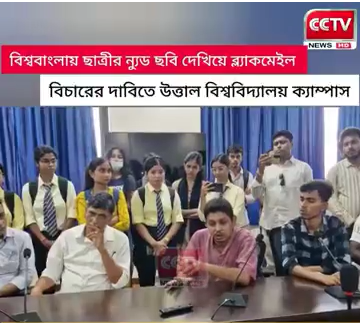
Faced with what many students perceived as administrative inaction, protests erupted on the university campus on 20 June. The victim, the two professors, and university students demanded an impartial investigation and meaningful action. Their cause drew support from members of Rashtriya Hindu Sakti Sangathan, Akhil Bharatiya Vidyarthi Parishad (ABVP) and Hindu Jagaran Mancha, who joined calls for accountability and transparency.
Only after mounting public pressure did the administration reportedly offer assurances. Vice-Chancellor Abu Taleb Khan stated that if an investigation established the guilt of Dr. Asgar Ali, strict legal action would be taken and the professor would be dismissed from his position.
Yet assurances alone have done little to quell concerns.
As of the date of reporting, students interviewed on the matter stated that no decisive or publicly visible progress had been made in the investigation. In the absence of clear findings, transparent procedures or publicly communicated steps toward accountability, uncertainty continues to fuel distrust across sections of the university community.
Ultimately, the significance of this controversy extends far beyond the individuals involved. It concerns whether students who report alleged abuse can expect protection rather than indifference. It concerns whether faculty members who stand beside complainants can do so without fear of professional retaliation. And it concerns whether institutions confronted with allegations involving power, vulnerability, and potential misconduct will respond with transparency and integrity—or with silence and obstruction.
Until a credible and transparent investigation delivers clear answers, the questions hanging over Biswa Bangla University will remain unanswered, and concerns regarding accountability, institutional integrity, and student safety will continue to cast a long shadow over the institution.