Between February 9 and 12, as Bangladesh stood on the cusp of its General Elections, a parallel reality unfolded in village after village, one not defined by campaign speeches or democratic enthusiasm, but by fire, blades, threats, and fear.
For Bangladesh’s Hindu minority, these four days were not merely part of an election cycle. They were a concentrated reminder of their vulnerability in an increasingly radicalised political climate.
What emerges from verified ground reports, viral videos, and testimonies is a troubling pattern of violence deployed as electoral tool of coercion and violence unleashed simply because the victims were Hindus.
Electoral Violence: Vote as Coercion, Faith as Target
1. Fire as Punishment – Nilphamari-1 (Domar-Dimla), February 10
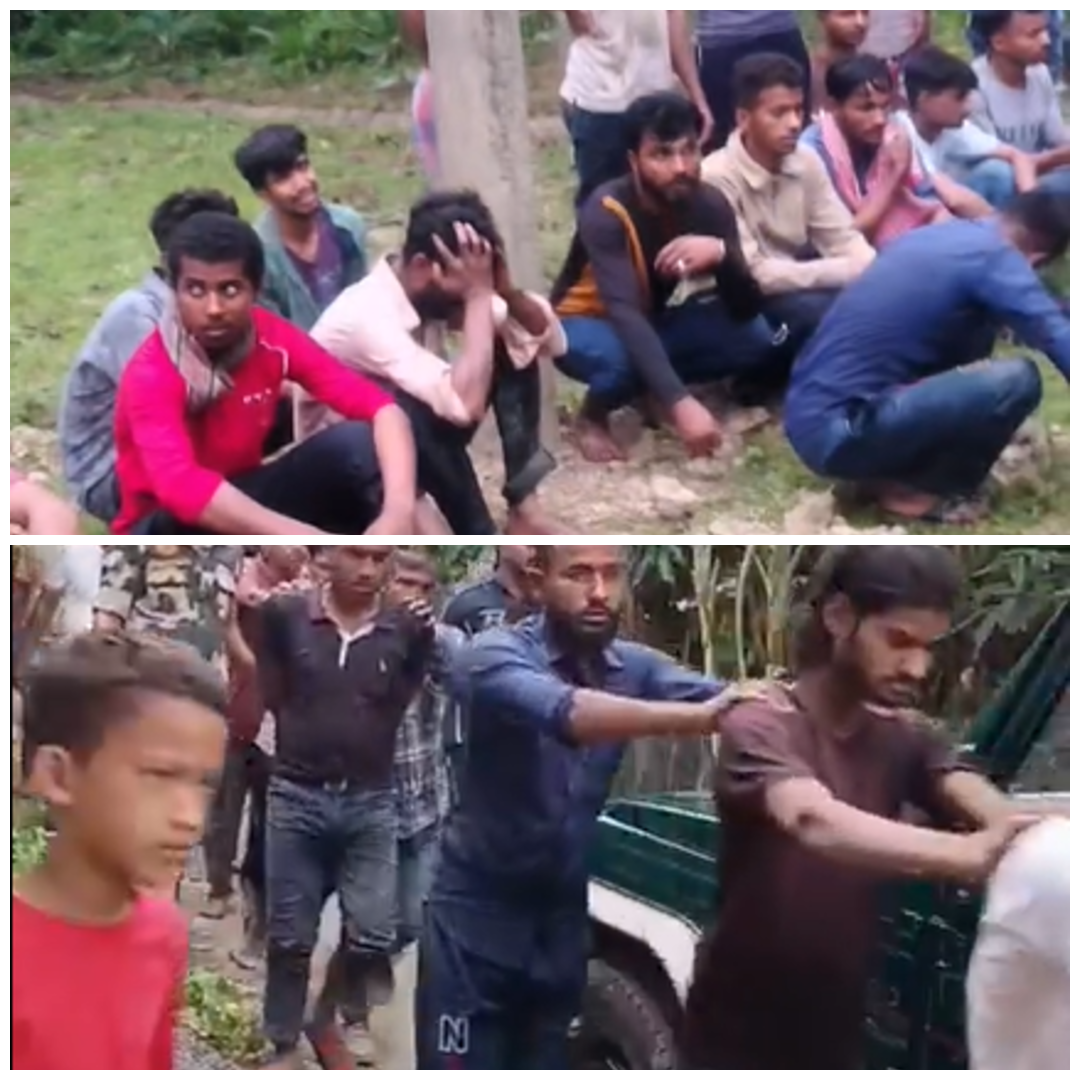
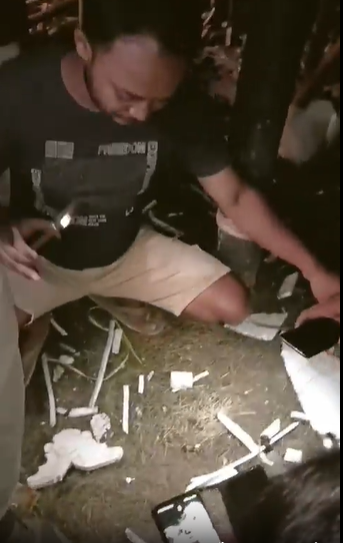
On the night of February 10, during rising electoral tensions in the Nilphamari-1 constituency, homes belonging to minority Hindus were allegedly set ablaze following a dispute over voting preferences. Reports implicate local cadres of Bangladesh Jamaat-e-Islami.
Viral footage circulating on social media captured locals recounting how supporters arrived on motorcycles and created a hostile confrontation. When Hindu residents intervened, they were allegedly attacked — and their homes set on fire.
Local representatives of Bangladesh Agniveer later claimed that at least three Hindu houses were burned.
Residents openly stated that the attack was retaliation for refusing to vote for Jamaat.
One voice in the video posed a haunting question:
” If this is how they behave before winning, what will they do if they come to power?”
That question hangs heavily over Bangladesh’s democracy.
Source : https://rtvonline.com/country/368749
Viral Video : https://www.facebook.com/share/v/16qkuUr7dr/
2. “You Will Not Step Out to Vote” – Khulna-5, February 10
In Bhandarpara under Khulna-5 constituency, Hindu residents alleged that Jamaat cadres warned them they would not be allowed to leave their homes on polling day if they failed to support the party.
Democracy, in this instance, was redefined as compliance.
Source : https://www.facebook.com/share/v/16Znwb4M6s/
3. Threatened for Choosing BNP – Jhenaidah-4, February 10
In Ulloa village of Kaliganj upazila, Hindu voters reportedly faced threats that their homes would be burned if they did not vote for the “cup and saucer” symbol.
Their alleged offense?
They intended to support the Bangladesh Nationalist Party.
Voting preference became grounds for collective punishment.
Source : https://www.facebook.com/share/v/17wPg7S3M4/
4. Chattogram-10: Threats for Exercising Franchise
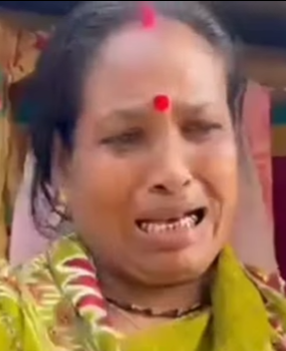
Hindu voters in Chattogram-10 accused Jamaat candidate Muhammad S. Helal of threatening “severe consequences” if they dared to exercise their electoral rights.
The right to vote was framed as an act of defiance.
Source : https://www.facebook.com/share/v/1AKPV4WpeV/
Communally Motivated Atrocities: Violence Beyond the Ballot
Electoral coercion was only one dimension of the crisis. The same four-day window witnessed what appear to be ideologically or communally motivated attacks.
1. Temple Desecration – Kurigram, February 11 Night
Unknown assailants broke into the Koteshwar Shivbari Temple in Rajarhat upazila of Kurigram district, vandalised sacred structures, and looted a temple bell worth 20,000 BDT.
The desecration of a temple is not random theft. It is symbolic violence meant to send a message.
Ground Report : https://www.facebook.com/share/v/1K11vXXd7C/

2,3 and 4. Homes and Haystacks Burned – Panchagarh & Dinajpur, February 11–12
In Balarampur Union under Debiganj upazila of Panchagarh district, a Hindu family’s house was burned on the night of February 11. The family escaped narrowly.
The following night, February 12, another Hindu home was set ablaze in Phulbari upazila of Dinajpur district.
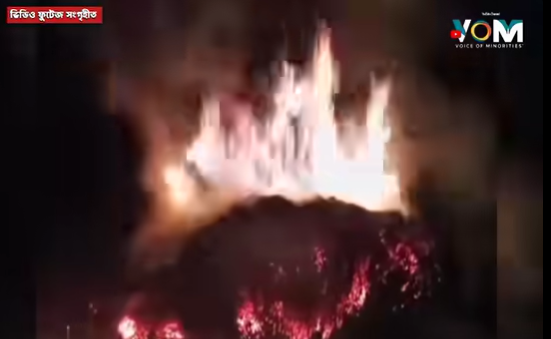
In Rangpur’s Pirganj, arsonists set fire to the haystack of Shri Bijoy Chandra Mahanta on February 10 evening after suspicious movements were observed in the area.
The pattern is not accidental.
Source :
a) https://www.facebook.com/share/v/17y3JGRDPK/
b) https://www.facebook.com/share/r/1B8DrytA9u/
c) https://www.facebook.com/share/v/1Dxz3BNAVV/
5. Armed Assault and Loot – Khulna Sadar, February 10
In Bakshipara, businessman Hiranmoy Sarkar was rendered unconscious, tied up and robbed by armed attackers who vandalised his home.
Ground Report : https://www.facebook.com/share/v/1AeRSf7xsv/
6. Armed Intimidation – Feni Sadar
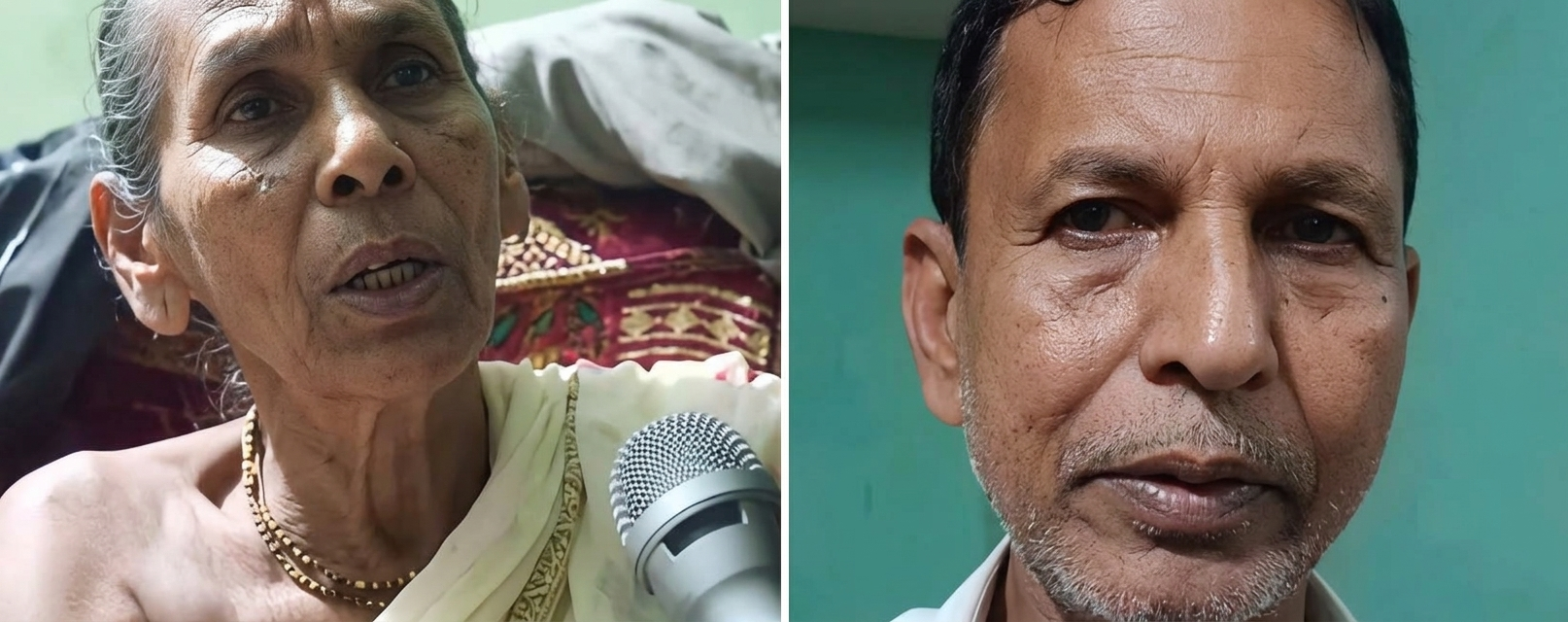
In Sultanpur, Feni, a Hindu family faced armed intrusion and explicit death threats. According to victim Basanti Rani Debnath, a woman accompanied by an armed bodyguard forcibly entered her property and later threatened to burn the house and kill the family if they did not vacate.
The threat was explicit:
Leave tonight — or burn.
A written complaint was filed with Feni Model Police Station.
Report : https://hindus-news.com/news.php?id=1417#
Ground Report : https://www.facebook.com/share/v/1AV2anNDcV/
7. The Killing of Ratan Sahukar – Moulvibazar, February 11
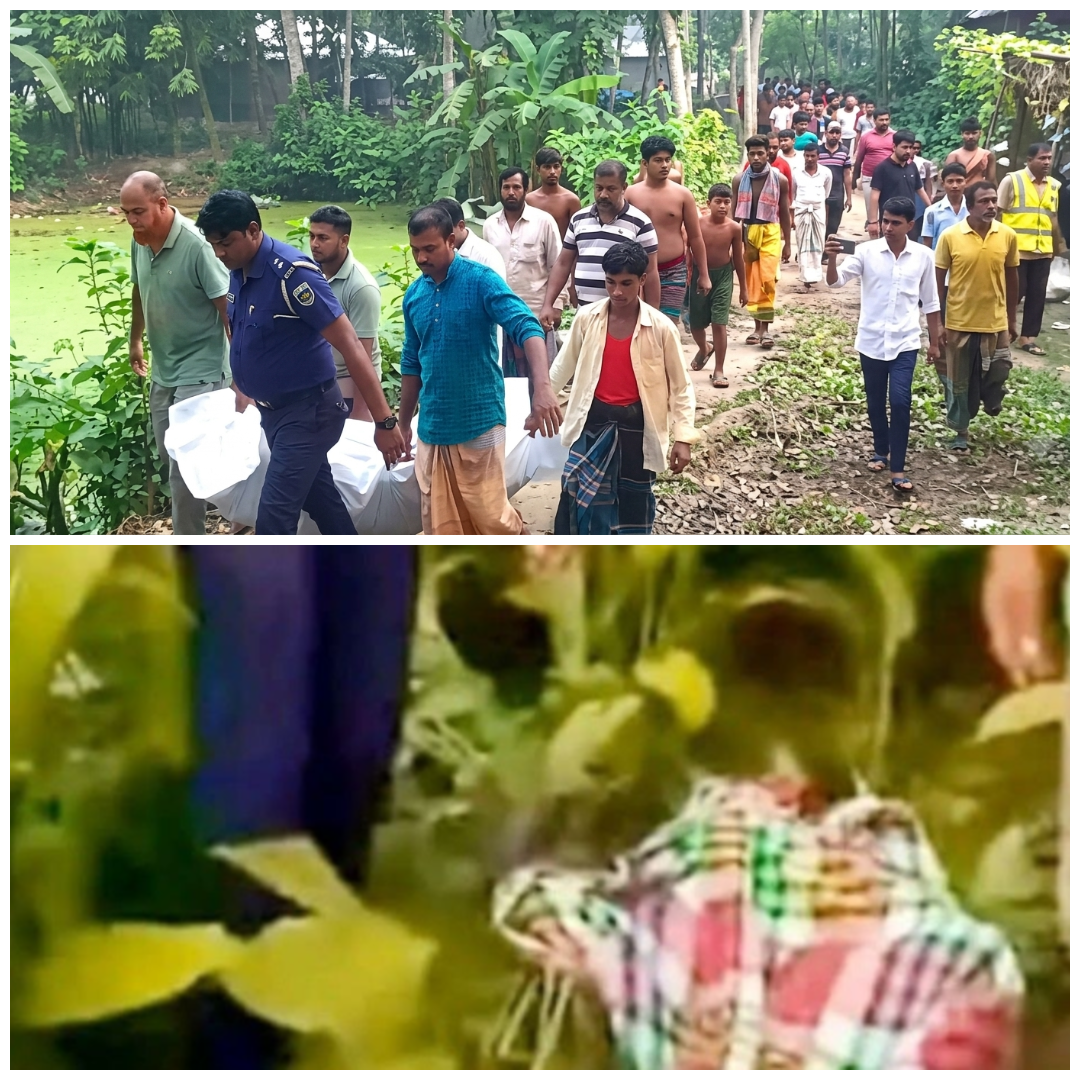
On the eve of elections, 28-year-old tea garden worker Ratan Sahukar was found tied, mutilated, and hacked to death inside a plantation in Moulvibazar.
His body bore multiple deep cuts.
This was not spontaneous violence but sustained brutality.
Source : https://hinduvoice.in/bound-and-hacked-to-death-the-murder-of-28-year-old-tea-garden-worker-ratan-sarkar-and-the-unanswered-question-of-minority-safety-in-bangladesh/
8. The Murder of Sushen Chandra Sarkar – Mymensingh, February 9
In Trishal upazila, rice trader Sushen Chandra Sarkar was hacked to death inside his own godown. After ensuring he was beyond survival, the assailants had looted nearly 15 lakh taka.
His murder was not just a crime. It was a signal.
The clustering of incidents between February 9–12 reveals something alarming:
a) Electoral choice being policed through terror
b) Religious identity being weaponised
c) Collective punishment imposed on Hindu localities
d) “Unknown miscreants” as a recurring official description
e) Delayed or reactive state response
When minorities are attacked for how they might vote or simply for existing democracy itself is hollowed out.
The Question Bangladesh Must Answer
Bangladesh faces a defining choice.
Will it reaffirm the secular, pluralistic foundations envisioned in 1971 or will intimidation politics and religious radicalisation continue to define its democratic character?
The events of February 9–12 are not merely news reports but a test of whether
a) The state will ensure accountability.
b) Political parties will renounce coercion.
c) Minorities can live and vote without fear.
Until that question is answered, the flames of Nilphamari and the blood in Moulvibazar will remain not just tragedies but warnings.