What TV doesn't, print can't; we deliver.
What TV doesn't, print can't; we deliver.
What TV doesn't, print can't; we deliver.

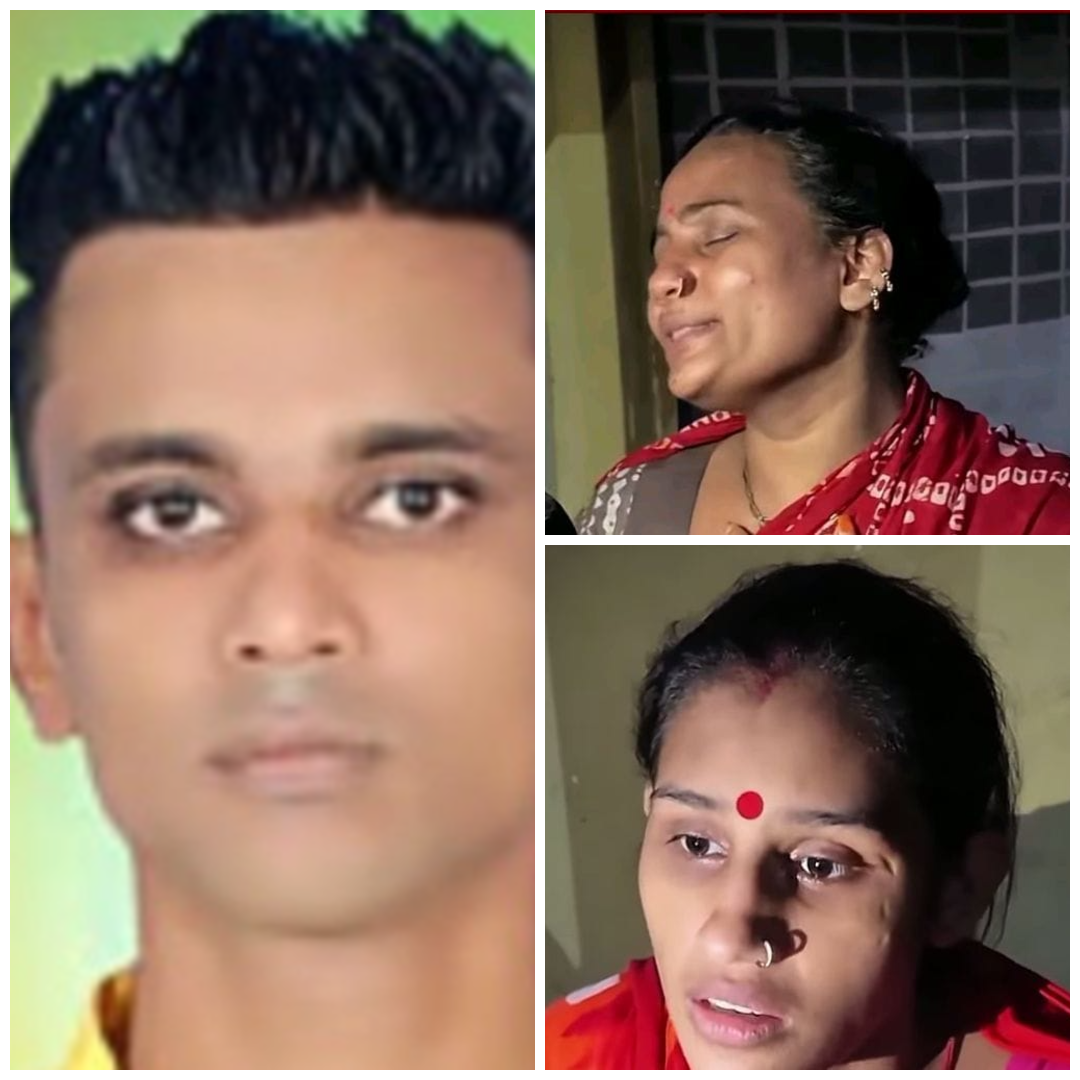
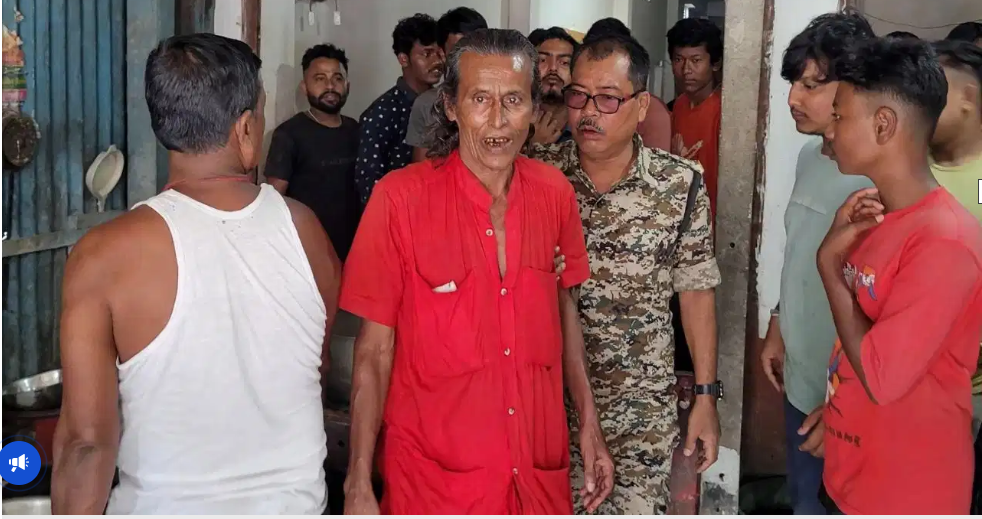
24-year-old Pritam Thakur with reported speech and cognitive impairments is at the centre of an alleged forced conversion case in Bangladesh’s Netrakona district, intensifying concerns over the protection of vulnerable religious minorities.
Pritam from Nagra Shivbari village in Netrokona Sadar had reportedly left his home on the morning of March 29 and later appeared at a religious centre in Narayan Dohor village under Purbadhala Upazila. According to local accounts, he embraced Islam there under the guidance of preacher Wasik Billah Nomani and was subsequently renamed Mohammad Yusuf.
Pritam’s family disputes that account. In a formal complaint filed with Purbadhala Police Station, they allege that he was lured, confined and coerced into conversion. They argue that his physical and cognitive condition would have made it impossible for him to make an informed and independent decision.
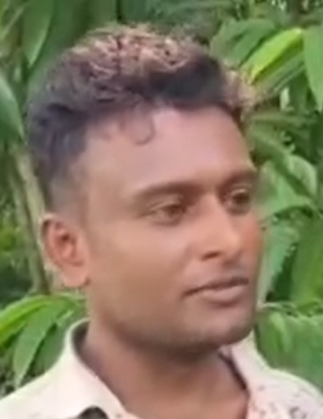
Nomani denies the allegations, maintaining that the conversion was voluntary. He has stated that he has overseen hundreds of conversions and that none involved coercion. He also claims that Thakur gave a statement before a local executive magistrate affirming his decision.
Police say the man is currently in custody and is expected to be produced before a Netrakona court, with further action contingent on judicial direction.
The case raises a difficult question of how should consent be assessed when an individual’s cognitive and communicative capacities are in doubt? The answer carries implications beyond a single incident.
Local Hindu Community members say that the case reflects broader vulnerabilities faced by religious minorities, particularly those who are socially or physically disadvantaged, and have called for an impartial investigation and accountability if any wrongdoing is established.
Human Rights Activist and Advocate Sumon Kumar Roy stresses that religious conversion must rest on free and informed consent. They warn that where such consent is unclear, the line between personal belief and coercion becomes blurred.
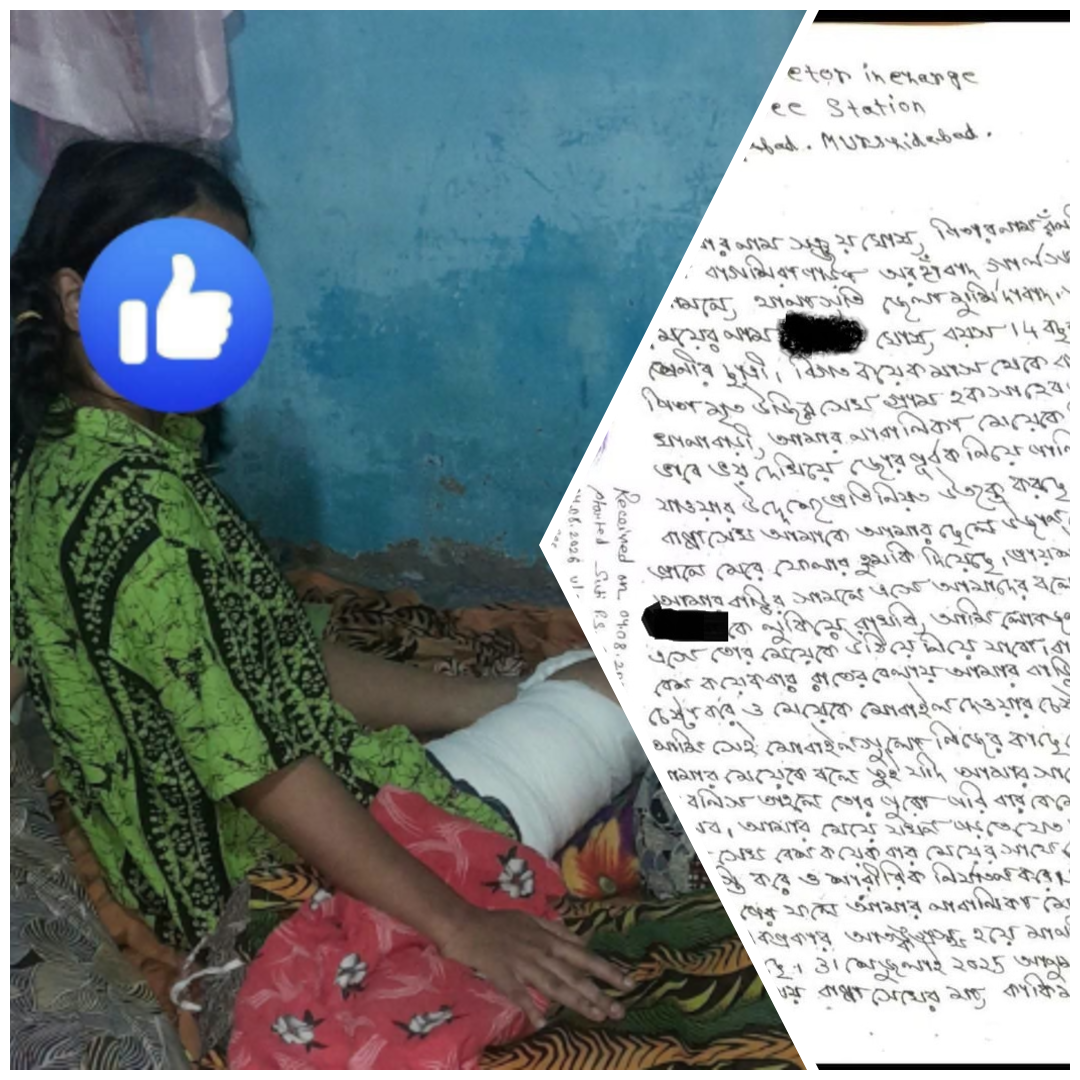
Documented cases suggest that such concerns are not isolated. The Human Rights Congress for Bangladesh Minorities and Stichting Global Human Rights Defence have reported instances in which conversion claims have followed allegations of abduction, manipulation or legal irregularities. In one case in Mymensingh, a minor Hindu girl Brishti Chakrabarty was abducted and falsely declared to have embraced Islam under her own free will. Her abductors had attempted to secure legal custody through forged documentation.
A 2025 report by Hindu Voice and the Parbatya Chattagram Jana Samhati Samiti documented more than 30 cases of alleged forced conversions of children in the Chattagram Hill Tracts, pointing to a pattern that warrants closer scrutiny.

As the Netrakona case proceeds, attention is likely to focus on how authorities assess consent, investigate competing claims and ensure due process. The outcome may shape not only the resolution of this case, but also international opinion on the safety of religious minorities in Bangladesh.