What TV doesn't, print can't; we deliver.
What TV doesn't, print can't; we deliver.
What TV doesn't, print can't; we deliver.

Locally referred to as “Zokhwa” or “Zo Chaw Chuah”, Buddhist Mogs have been residing in the Lai Autonomous District Council (LADC) region of southern Mizoram since at least the 1940s.
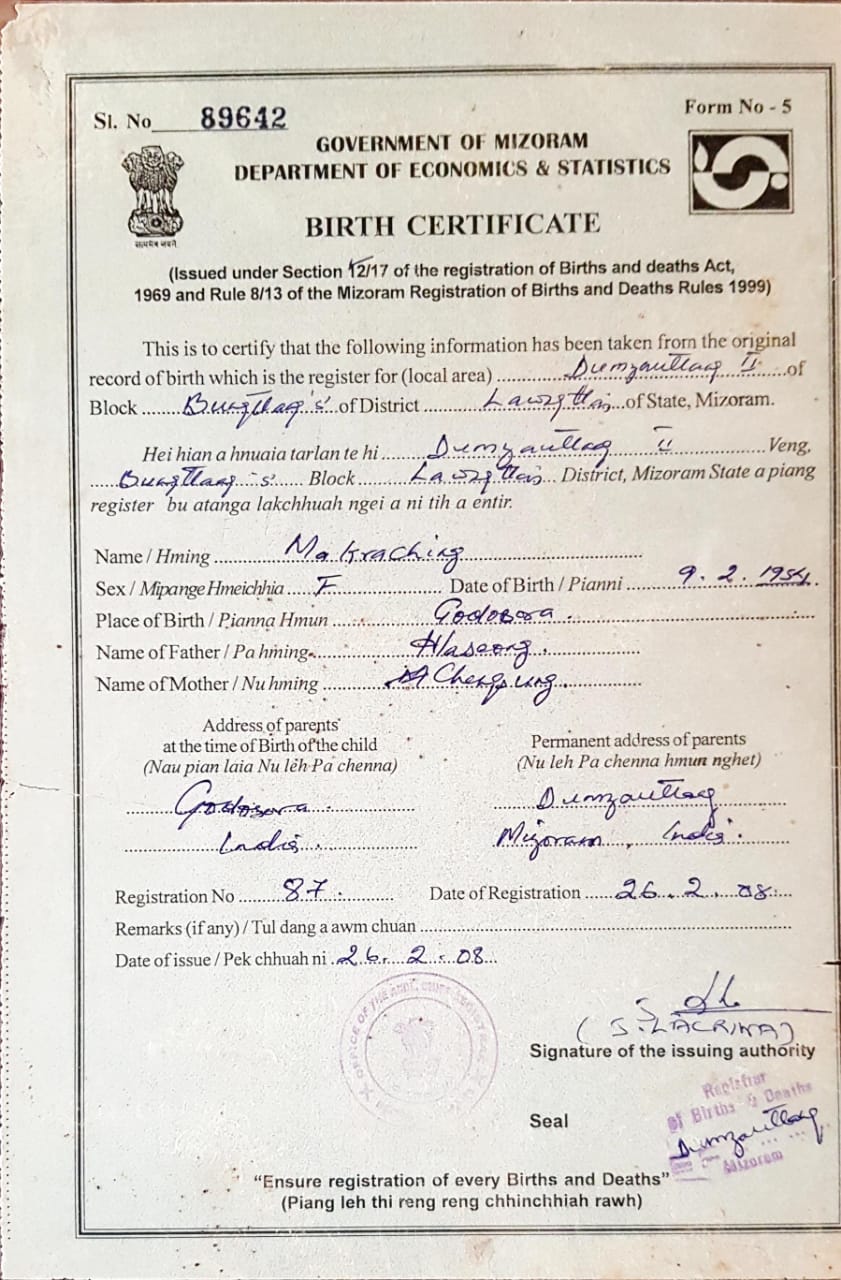
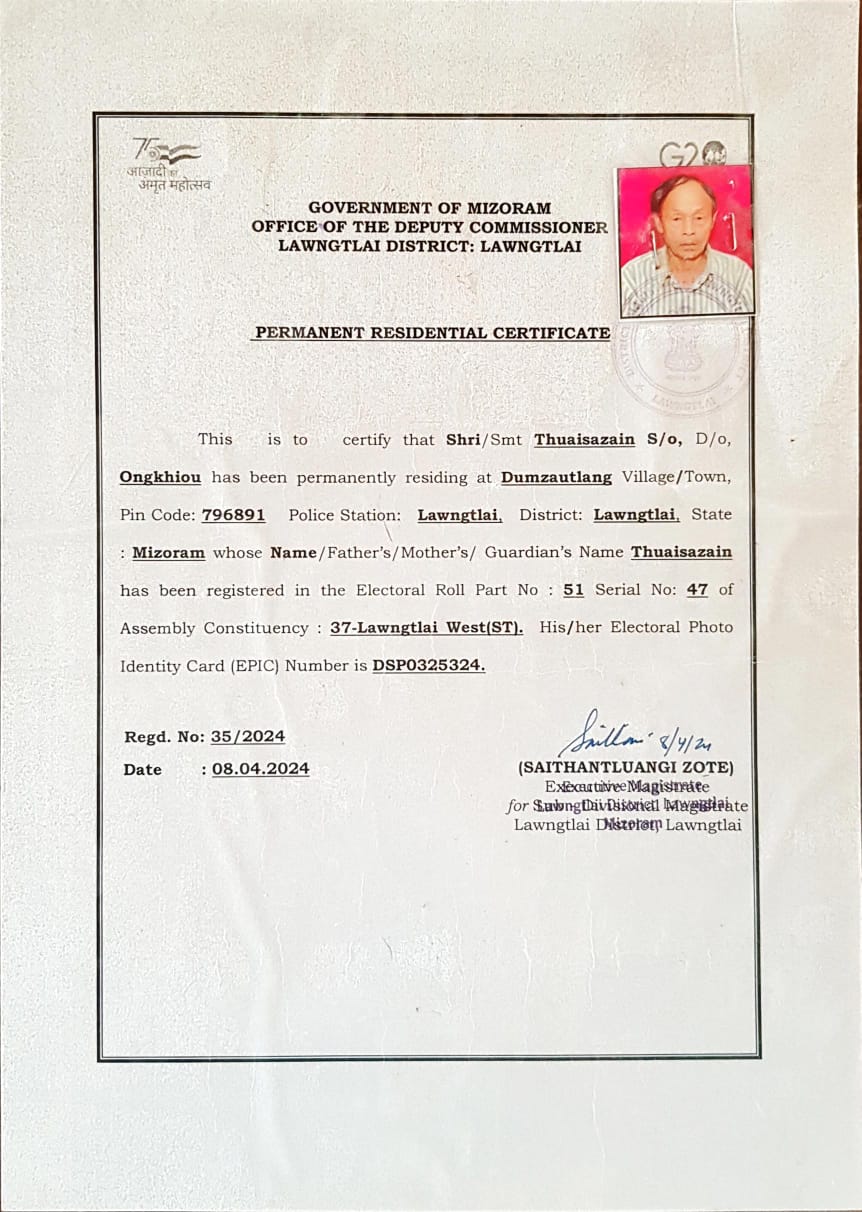
According to the latest available village register, 2,211 Mog Buddhists live across ten recognised villages in the LADC region. Their presence is not merely a matter of oral history. Electoral records, community documentation and official certificates provide a paper trail extending back decades.
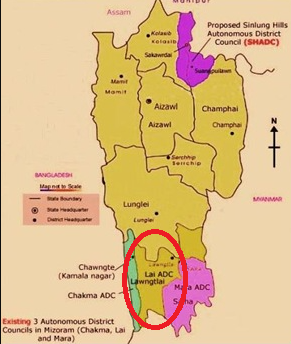
Mog Buddhists have participated in elections since the formation of the LADC in 1972 and continued exercising their voting rights until the 2014 national elections. The 2008 Electoral Rolls Record 68 Mog Buddhist voters.
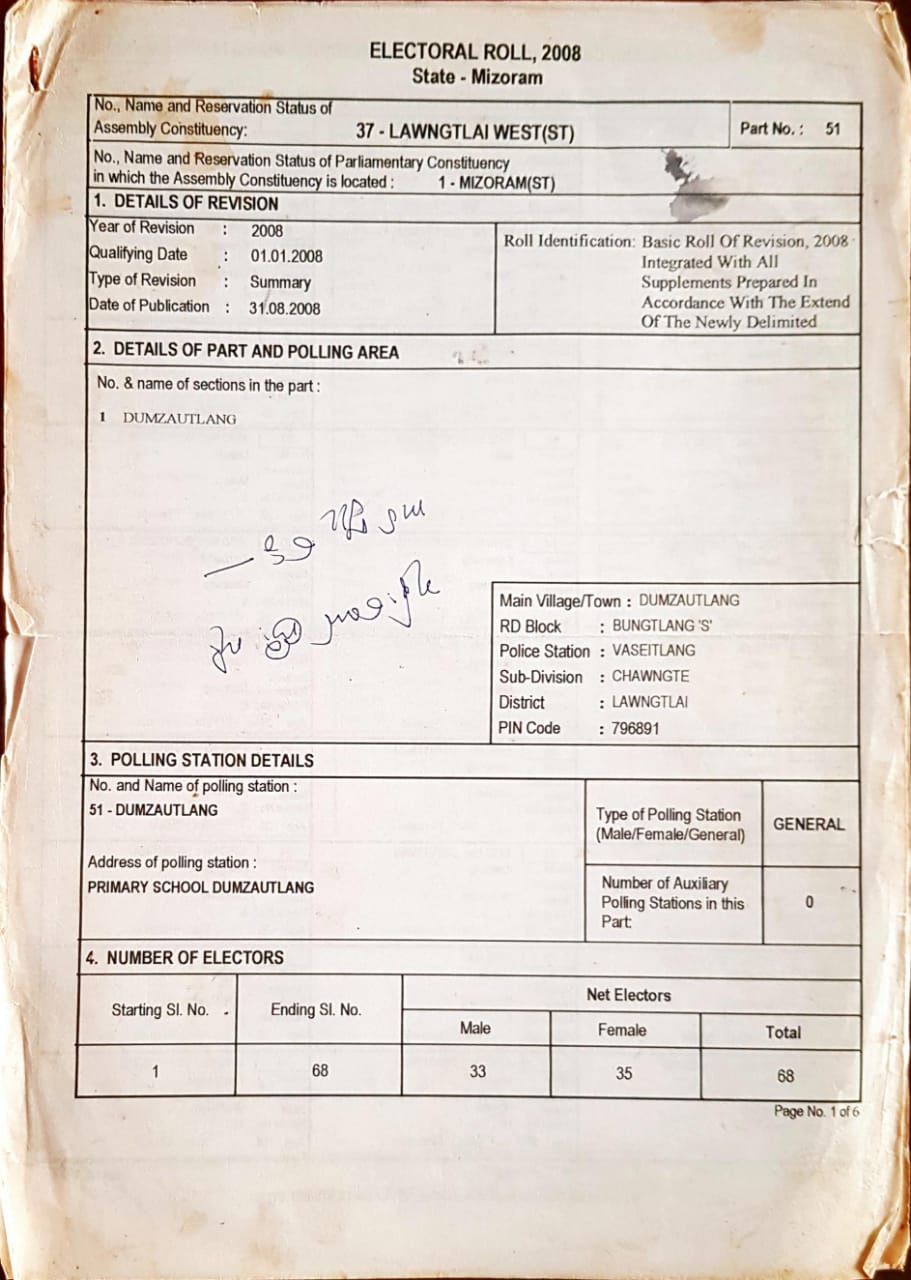
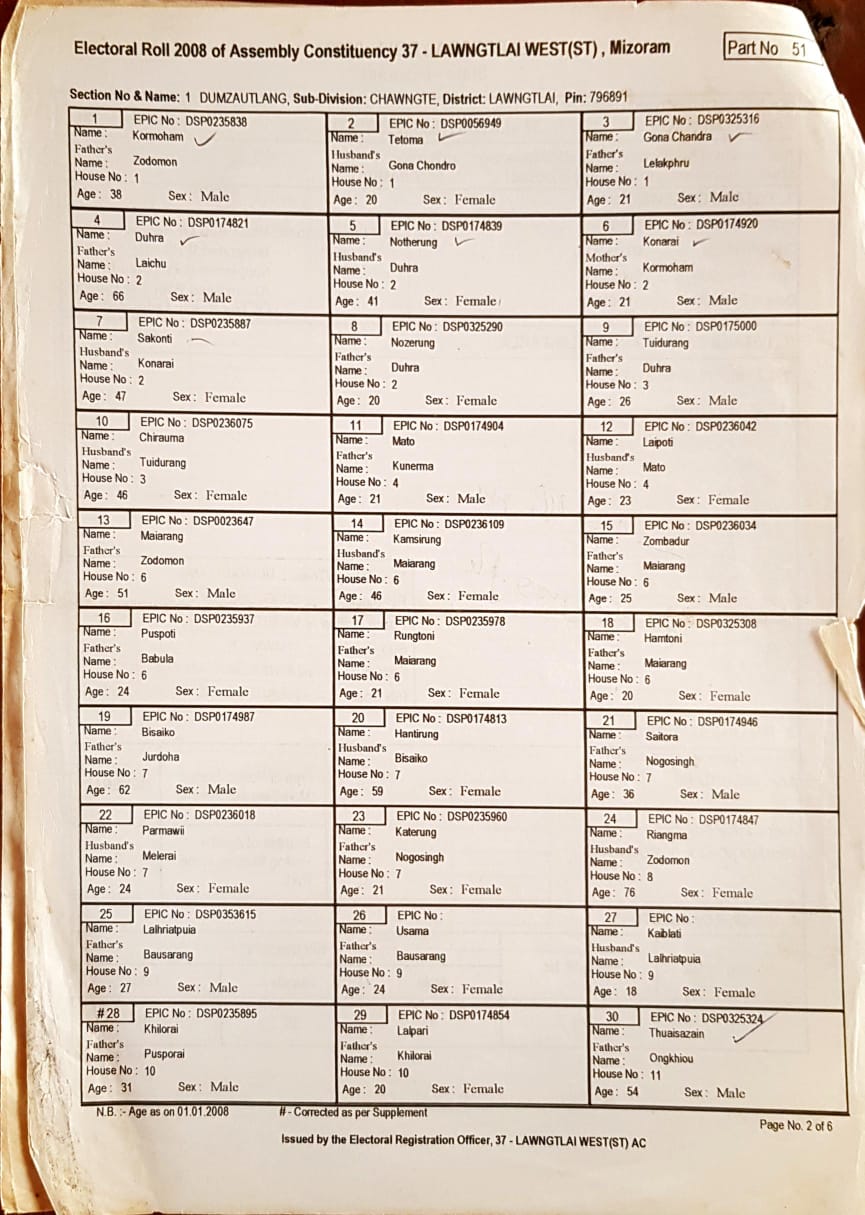
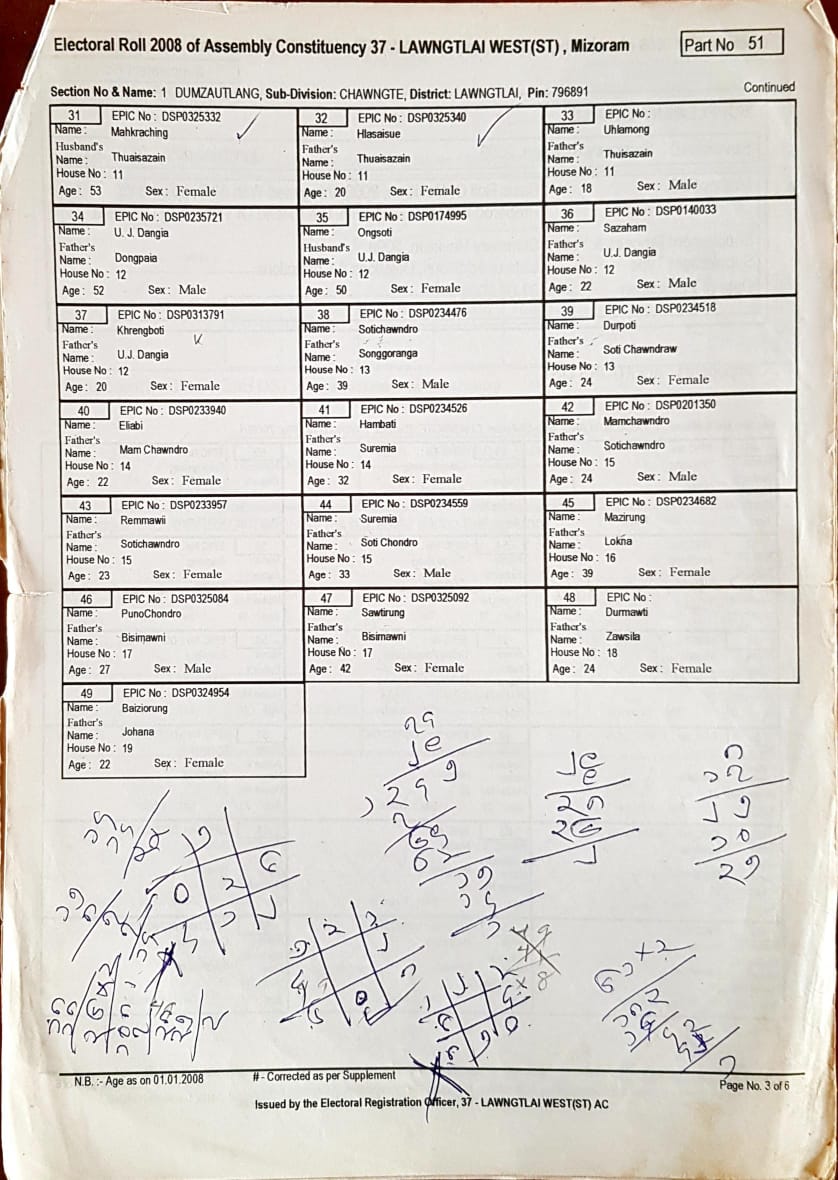
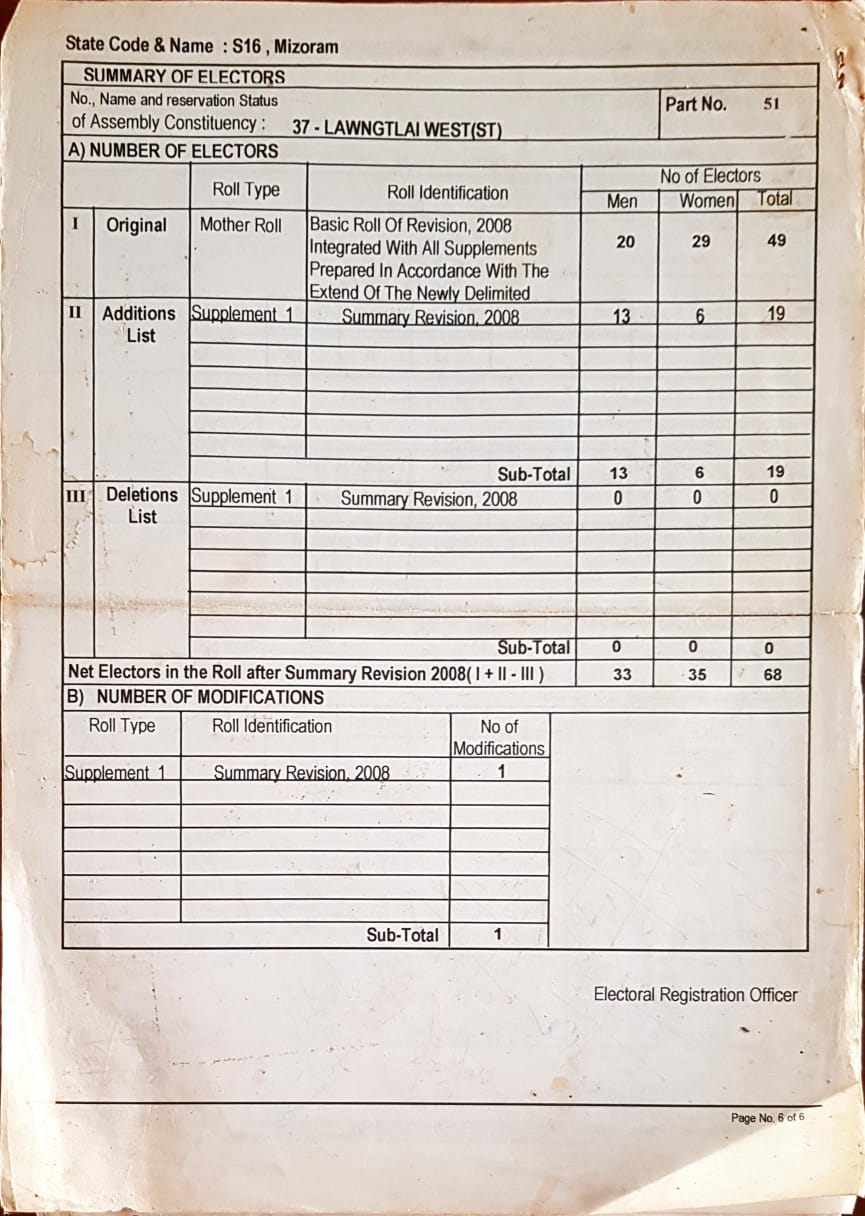
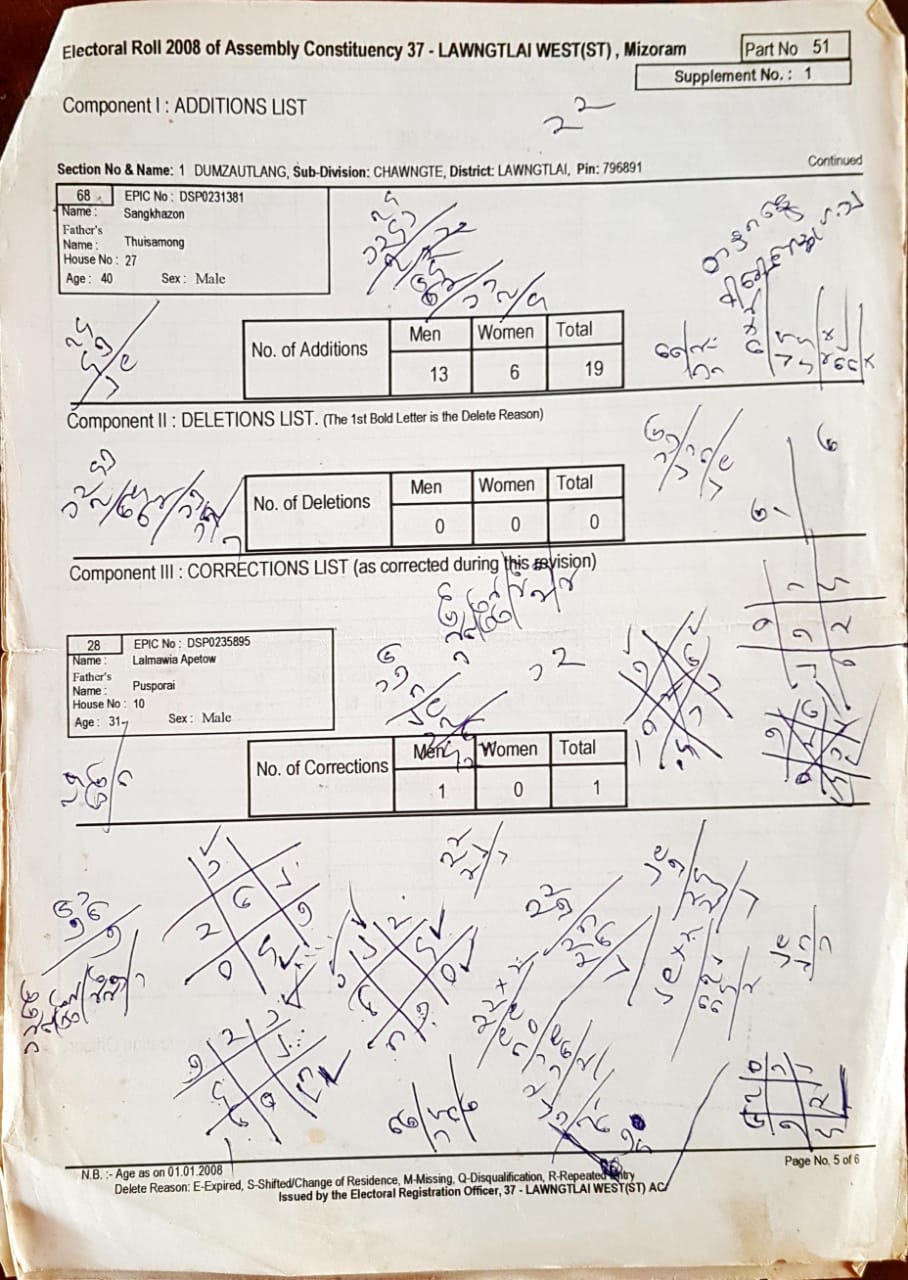
The community has also produced documentary evidence of its long-standing residence. Members have presented permanent residence certificates, while birth certificates belonging to some elderly members date back to the early 1950s.
Residents of villages in the border region recount a serious confrontation in Zochachhuah, involving an elderly village headman and Dorothy Lalliantlingi, described in community accounts as a Manipur-based Kuki primary teacher who was also identified by some witnesses as a Booth Level Officer (BLO). Community members further allege that she was accompanied by Congress politicians during the confrontation.
According to the accounts provided by senior members of the community, the dispute concerned vote-bank politics.
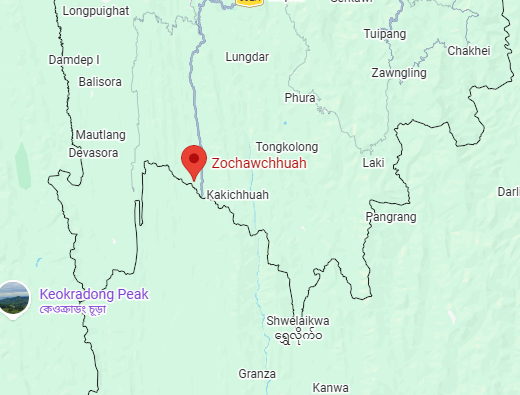
Community witnesses say that Dorothy subsequently went from house to house in Mog Buddhist villages and demanded that residents surrender their voter identification cards and birth certificates.
Senior community member Dhammadaja Zuronpoi states that residents were warned that failure to surrender the requested documents would have severe consequences. Other senior members, including Thunaisazain, have provided accounts describing persistent pressure and intimidation.
Many residents, according to these accounts, refused.
The community then alleges that more than 1,085 Mog Buddhists were blacklisted, including people whose names had previously appeared on electoral rolls.
The community further alleges that local Christian pastors and church-associated individuals used their influence to prevent Mog Buddhists from being re-enrolled after 2016 and the consequences have extended far beyond the ballot box.
Community members say they have faced difficulties purchasing or securing land, protecting themselves against alleged attempts at forcible eviction and accessing government development and socio-economic programmes. The Mog Buddhists have had to spend the better part of a decade living with the consequences.
The most serious allegations concern what community members describe as repeated pressure to convert to Christianity.
Since approximately 2017, residents say they have periodically been approached by individuals associated with local Christian leadership and told that conversion could make it easier to recover their voter documentation, secure electoral enrolment for future generations and gain access to socio-economic benefits.
Senior community member Dhammadaja has also described an approach by a Burmese refugee who entered the area during the 2021 conflict in Myanmar and subsequently acquired the necessary documentation in June 2026. He says the individual encouraged members of the Mog community to embrace Christianity, smugly stating that he “could make all their problems disappear”.
The plight of the Mog Buddhists becomes even more precarious when considering the inflammatory narratives being circulated.
The community is particularly wary of Sheikh Abid Hasan, a former administrator of the social-media account “We Dravidians.” Among the narratives attributed to Hasan and his online activity is the claim that Hindus are attempting to “conquer” Mizoram through large-scale illegal immigration by Bangladeshi Buddhist Chakmas.
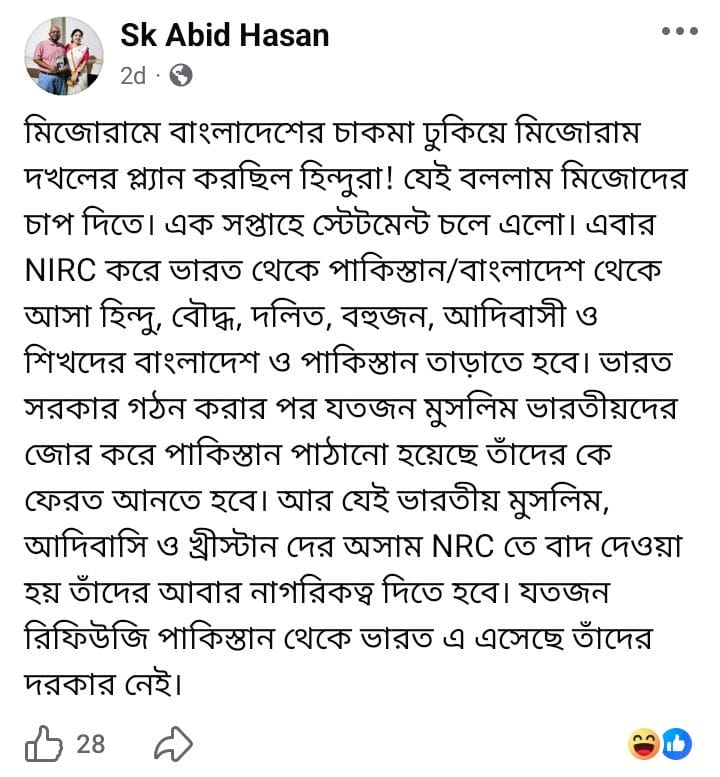
For vulnerable minorities, rhetoric of this kind can make an already isolated community appear disposable.
The allegations surrounding the Mog community’s disenfranchisement deserve to be examined independently of political or religious propaganda from any side.
The Mog Buddhists have already paid a devastating price for political invisibility. They describe a decade in which the ballot disappeared, economic opportunities stopped coming, government protection became harder to access and pressure to convert became a persistent reality.
They are now confronted by another danger of being transformed from a vulnerable community into a demographic threat in somebody else’s political narrative.
That must not be allowed to happen.