What TV doesn't, print can't; we deliver.
What TV doesn't, print can't; we deliver.
What TV doesn't, print can't; we deliver.
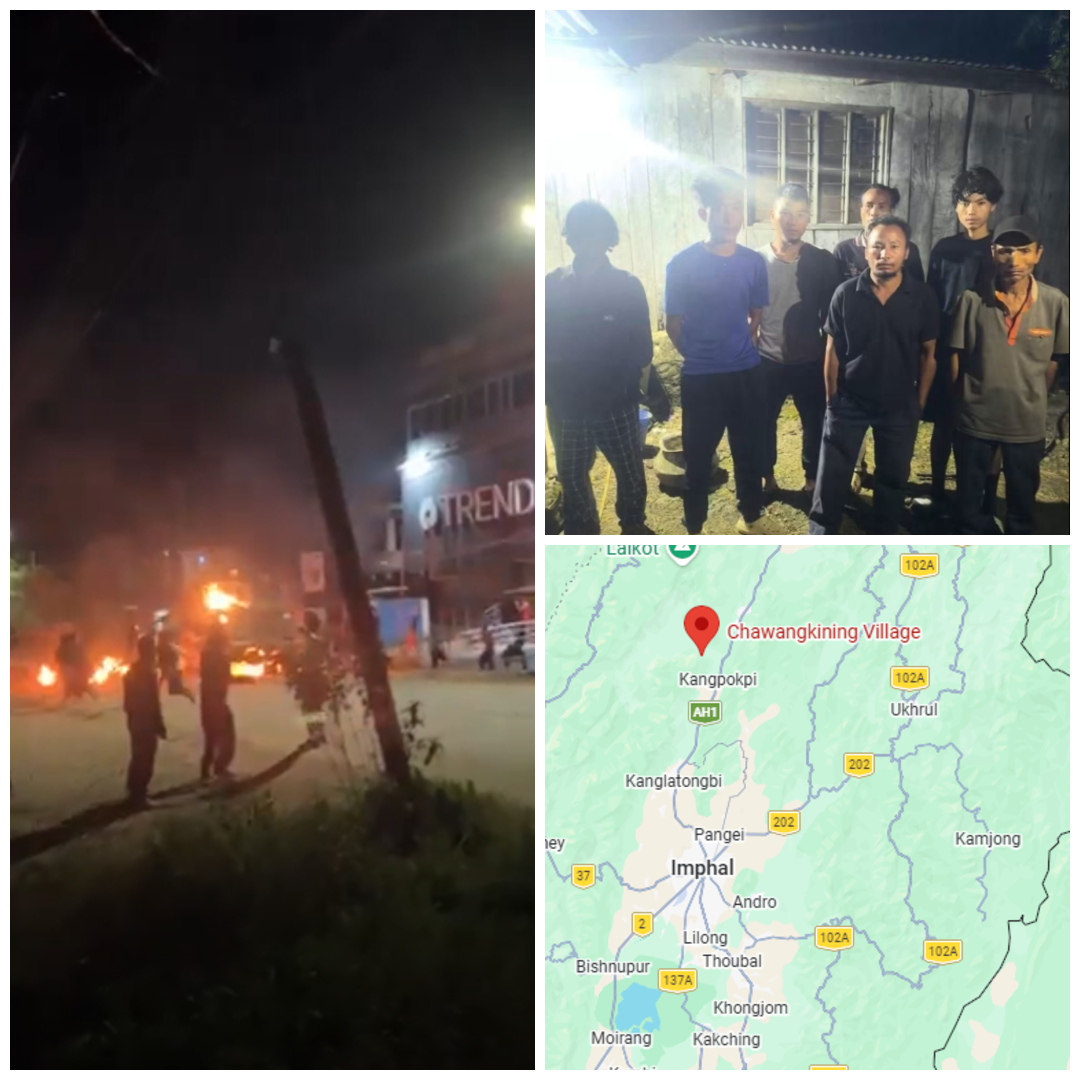
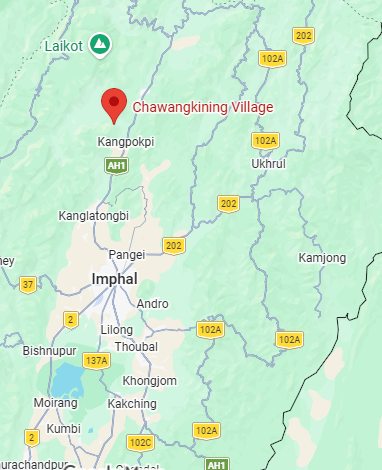
The detention of seven suspected Kuki militants, including a church leader, by personnel of the Central Reserve Police Force’s CoBRA unit near Chawangkining village in Manipur’s Kangpokpi district on 19th September was followed by violent protests, road blockades and demands for their immediate release.
The seven detainees reportedly included individuals identified as Pa Seilet, Pa Manglen, Pa Sathao, Pa Lenlal, Pa Gin and GL Chuchung.
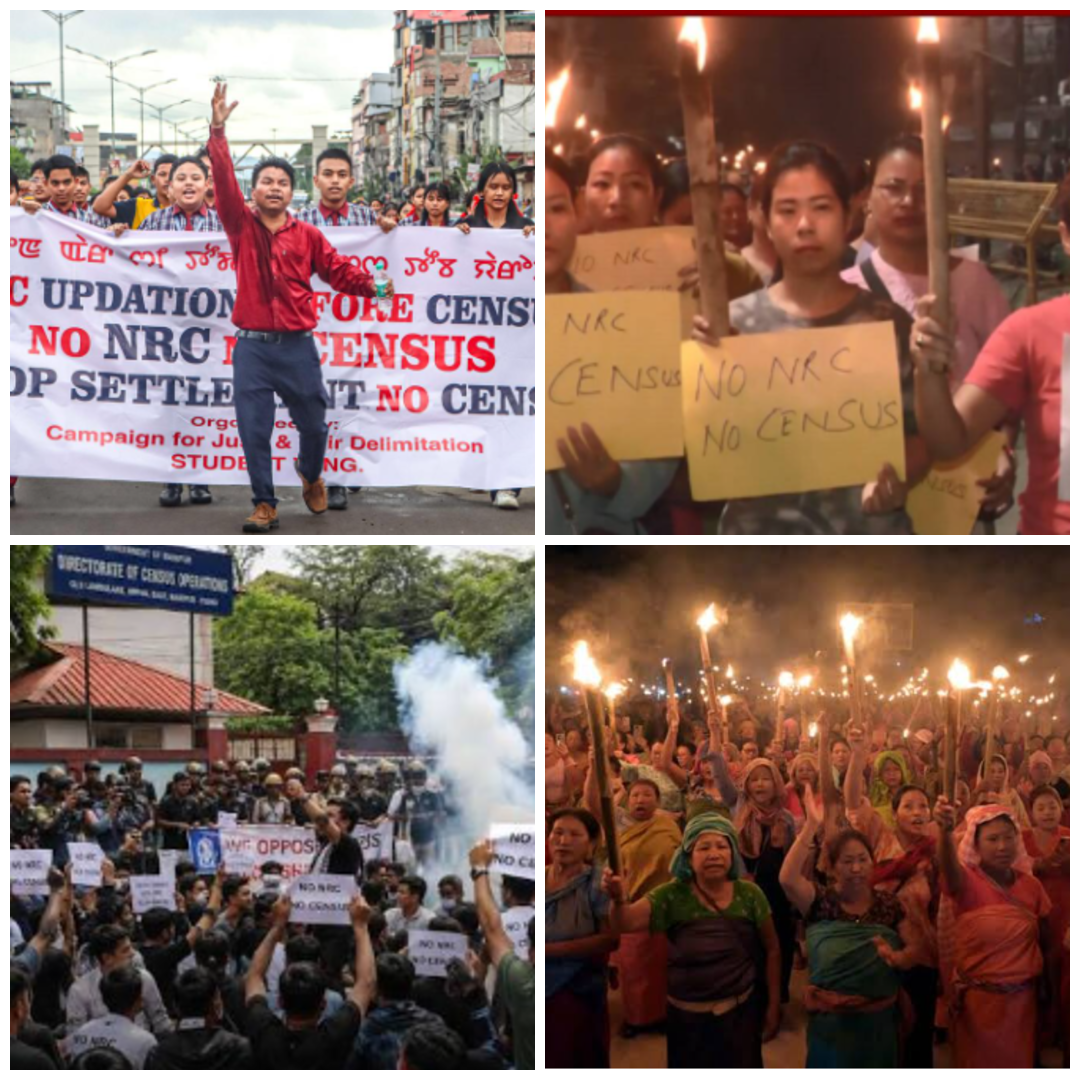
Following the detentions, local community leaders reportedly called for democratic agitation and an extended total shutdown across Kuki-inhabited areas of Kangpokpi district. Responding to these calls, local youth and women’s groups gathered at key locations like Motbung Bazaar, Kangpokpi Bazaar and Sapermeina.
What began as a demand for the detainees’ release escalated into violent confrontation.
Large crowds, reportedly comprising primarily local residents and women, gathered at various locations and pelted CRPF vehicles with stones. A petrol bomb was allegedly hurled at a security vehicle, temporarily setting it ablaze.
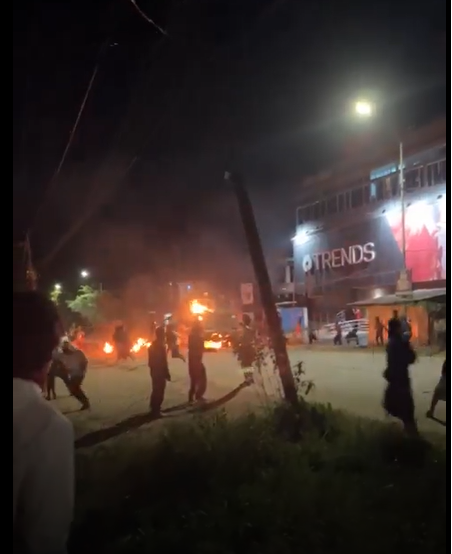
Protesters also blocked security personnel and civilian commuters. In a particularly serious escalation, heavy earth-moving equipment like JCB machines were brought in to dig trenches across National Highway 2 at Motbung Bazaar, seeking to obstruct the movement of military and civilians.
Elsewhere, smaller groups burned tyres and erected barricades along the NH-2 in Sapermeina, enforcing a shutdown across one of the lifelines of Manipur.
The disturbances continued for more than two hours before the detainees were reportedly released around midnight.
The Kuki Inpi Manipur (KIM), the apex body representing Kuki tribes and based in Churachandpur, condemned what it described as the CRPF’s “arbitrary arrest” of seven villagers. The organisation called for an investigation into the alleged detentions and use of force, alongside compensation for damaged property.
Any credible investigation must examine these allegations. Security personnel, like every other institution, must remain accountable to the law. The mere suspicion of militant activity cannot substitute for evidence, and detention cannot become a mechanism for unchecked state power.
But accountability must operate in both directions.
The more consequential question concerns the circumstances surrounding the detainees’ release.
Were the seven individuals released after a documented investigation established that continued detention was unwarranted? Were their identities, backgrounds and alleged links to militant activity thoroughly verified? Were the allegations against them found to lack sufficient grounds under the applicable law?
Or did the escalation of mob violence, threats to security personnel and the disruption of NH-2 create pressure that influenced the decision to release them before the necessary verification was completed?
The release of the detainees, by itself, does not establish that the CRPF acted unlawfully or that the individuals were guilty of terrorism. Those questions require evidence and an independent assessment. Equally, the occurrence of violent protests does not establish that the detainees were innocent or that their detention was unjustified.
Justice cannot be determined by the strength of a mob, the authority of a uniform or the demands of so-called “Civil Society Organisations”. It must be determined by evidence, due process and the law.