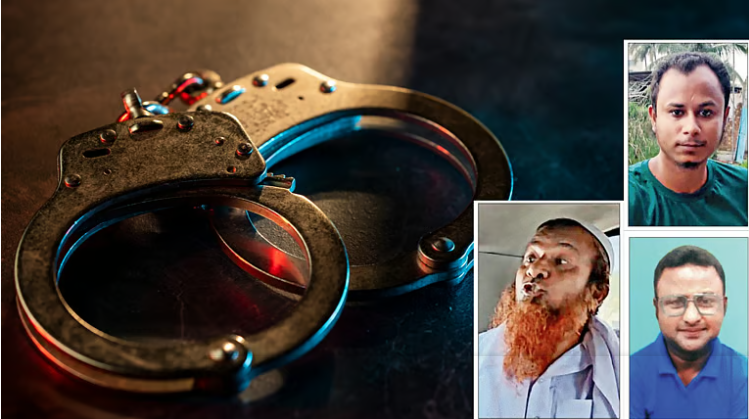
What TV doesn't, print can't; we deliver.
What TV doesn't, print can't; we deliver.
What TV doesn't, print can't; we deliver.
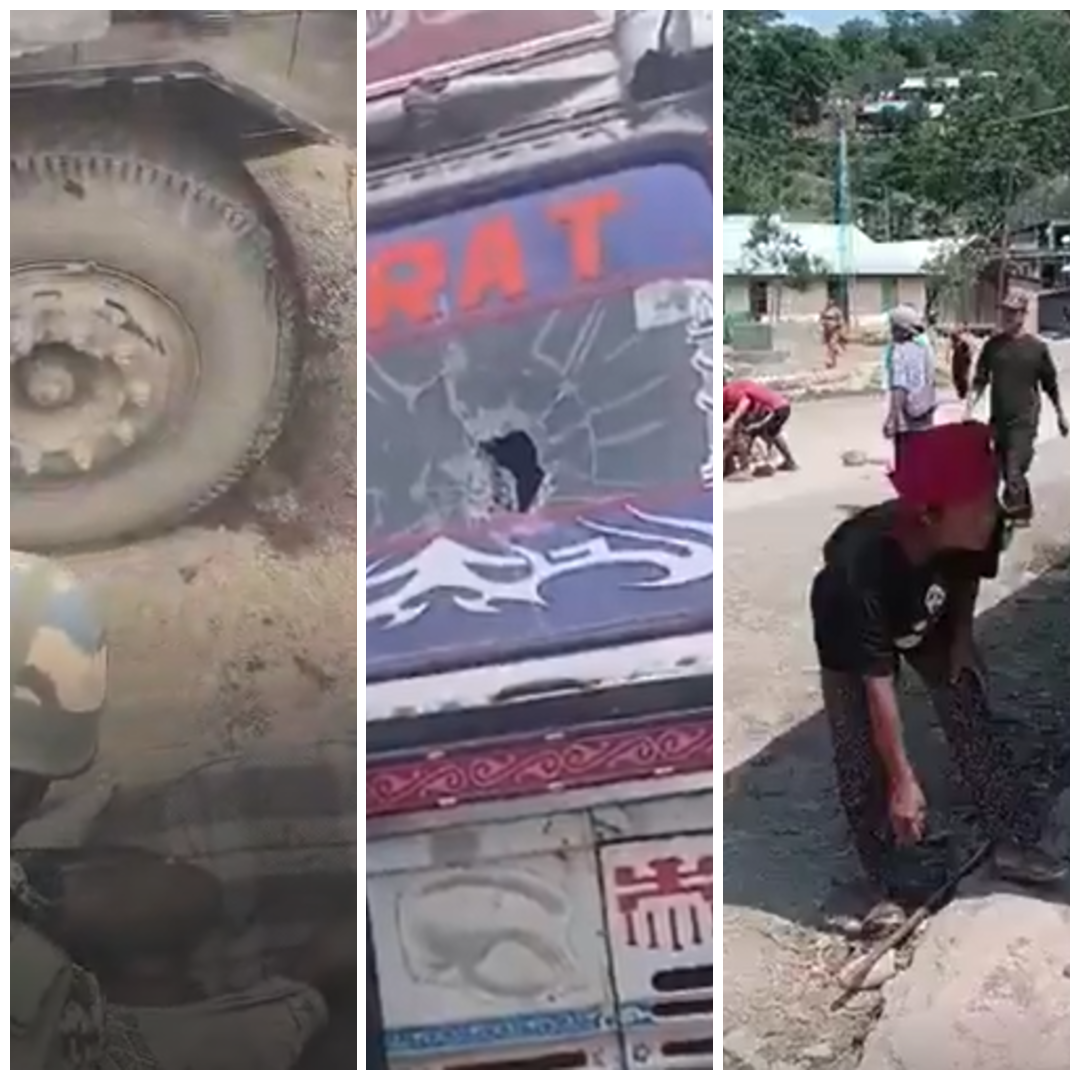
On 29 May 2026, Nitish Kumar, a 57-year-old truck driver from Hooghly, West Bengal, was transporting food and essential supplies to the residents of Ukhrul District in Manipur.
He never made it.
As a convoy of FCI trucks and LPG tankers escorted by Manipur Police, CRPF, BSF and RAF moved towards Ukhrul, armed Kuki militants occupying tactically superior positions on Patleijang Hill opened fire near Roudei village in Kasom subdivision. Nitish Kumar was shot and killed. A police officer from Litan Police Station was also wounded.
The convoy was carrying rice, fuel and basic necessities to residents of North-Eastern Manipur, not soldiers.
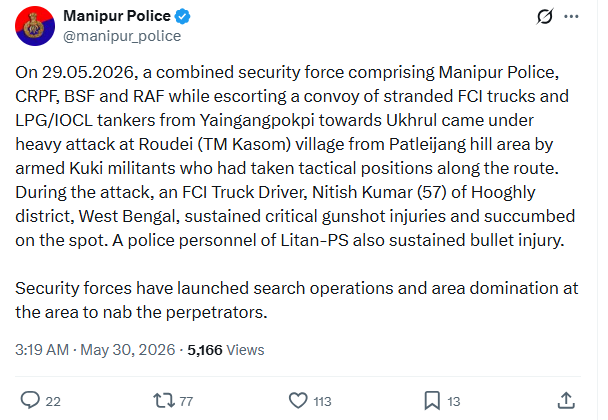
When armed groups can attack food convoys on a national highway, this is no longer merely a law-and-order problem. It is a direct challenge to the authority of the Indian state.
Verified videos and ground reports from local media and civil society organisations like the Meitei Heritage Society show so-called “Kuki civilians blockading the National Highway 2, one of the twin lifelines of Manipur. They also show them pelting stones at passengers and vehicles, including those carrying vital everyday necessities.
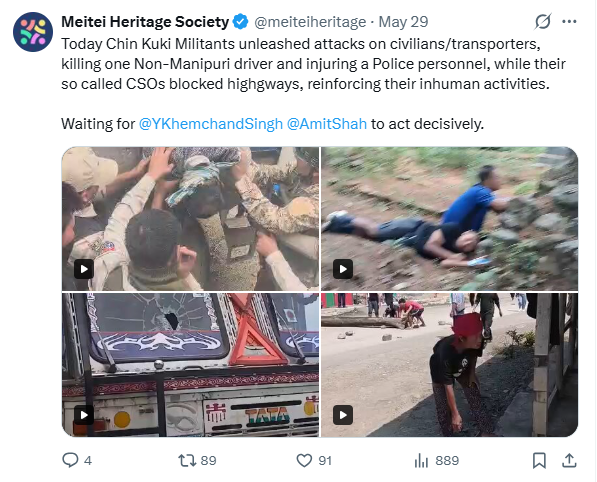
The official response has become painfully familiar. An attack occurs. Security forces respond. Combing operations are launched. Area domination exercises follow. Press statements are issued.
Then the cycle repeats.
Reactive operations conducted hours after contact are not a strategy. They are an admission that the initiative belongs to the attackers.
At the heart of this failure lies the unresolved question of the Suspension of Operations arrangement. Since violence erupted in May 2023, governments at both the Centre and the State have refused to either enforce the agreement decisively or abandon it altogether. The result has been paralysis masquerading as policy.
That paralysis has already cost the lives of 16 security personnel and more than 100 civilians.
The real question is no longer whether the current approach has failed.
It is how many more people must die before the responsible authorities admit it.