What TV doesn't, print can't; we deliver.
What TV doesn't, print can't; we deliver.
What TV doesn't, print can't; we deliver.
1. Statistical Overview and Pattern Analysis
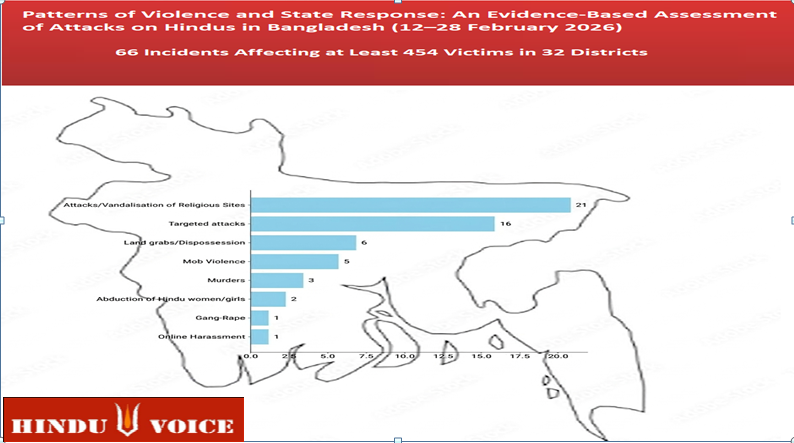
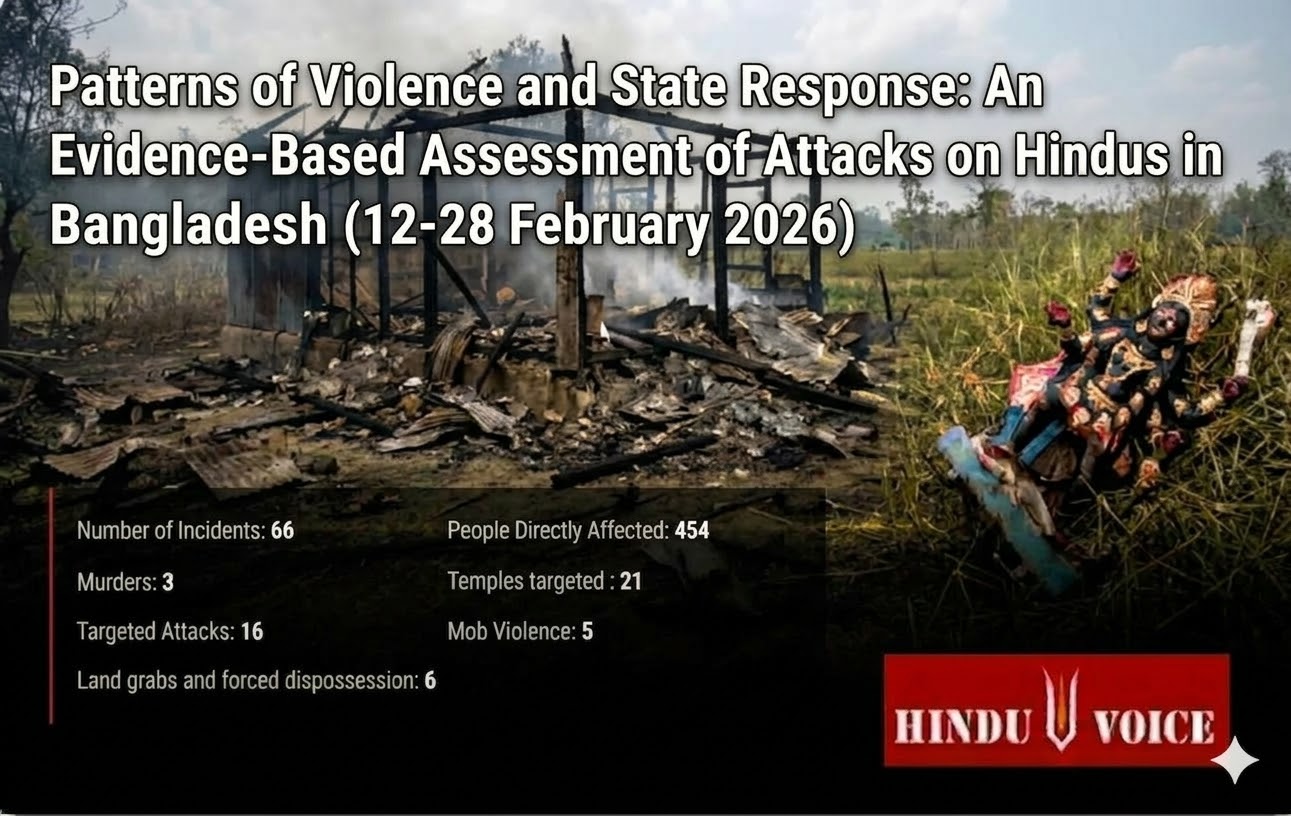
This report presents a consolidated overview of documented incidents involving violence, intimidation and persecution directed at members of the Hindu minority community during the period 12–28 February 2026. Based on verified documentation and compiled field reports, at least 66 distinct incidents were recorded within this short time frame alone. These events have directly impacted no fewer than 454 Hindu men, women and children, not including broader secondary consequences such as forced displacement, destruction of homes and livelihoods, prolonged insecurity and the enduring climate of fear in which religious minorities are compelled to live.
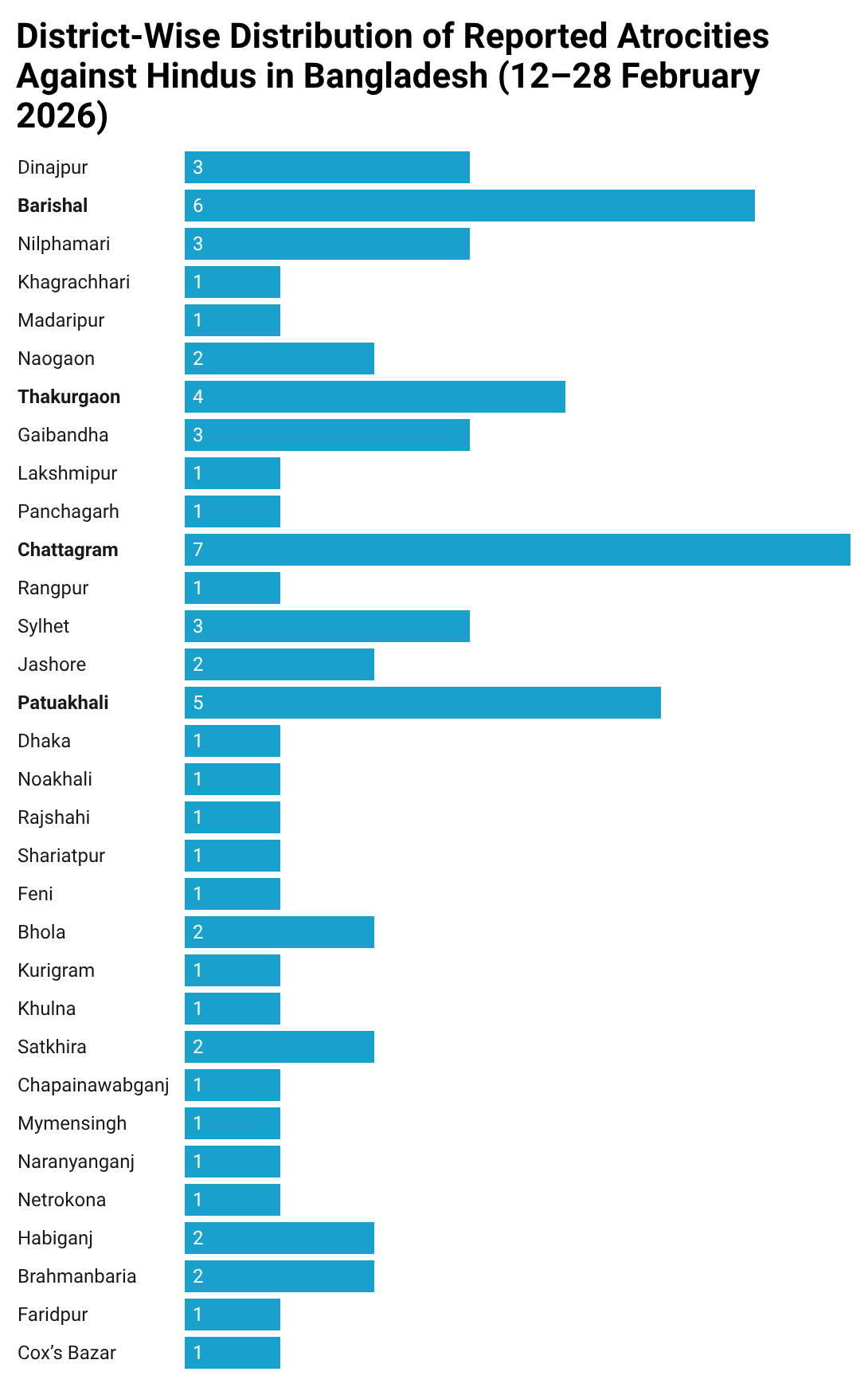
The nature, frequency, and geographic dispersion of these incidents demonstrate a discernible pattern of targeted harm rather than random, isolated or purely opportunistic criminal activity. Incidents of intimidation, harassment, physical assault, destruction of property and the deliberate targeting of sites of religious significance have been documented across 32 out of 64 districts of Bangladesh, further reinforcing a deeply troubling pattern and a disturbing consistency in both the methods and character of these attacks.
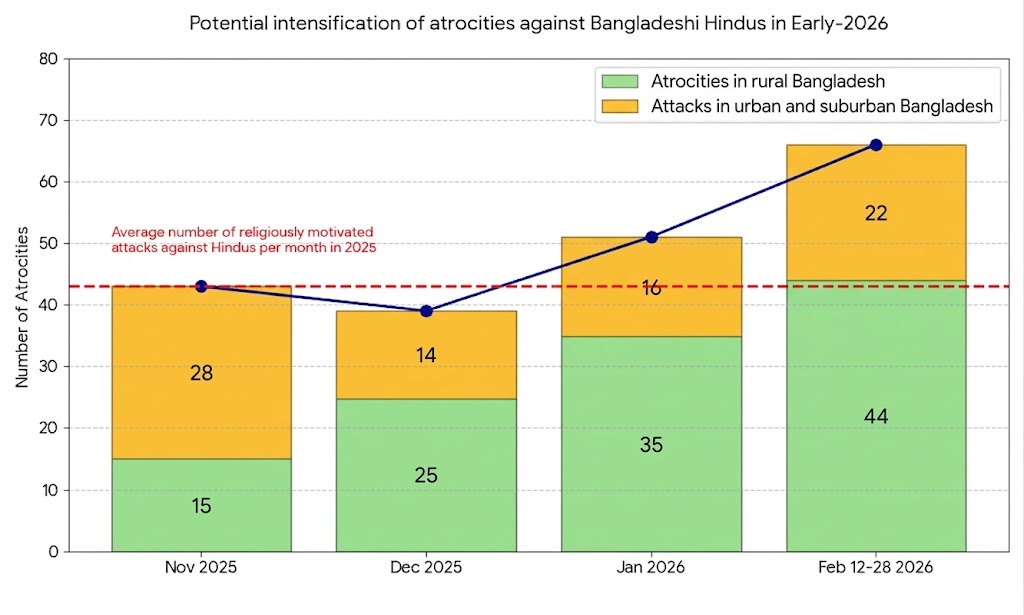
Data from recent months further highlights the persistence and apparent escalation of this pattern. According to documentation compiled by Hindu Voice, 43 incidents of atrocities targeting Hindus, directly affecting at least 143 individuals, were recorded in November 2025, followed by 39 incidents affecting 174 victims in December 2025.
These monthly figures correspond with broader annual findings. An annual report published by the Hindu Buddhist Christian Unity Council documented 522 religiously motivated attacks against minority communities during 2025, averaging approximately 43 incidents per month.
More recent data suggests that this trend has continued into 2026. Hindu Voice recorded 51 incidents of atrocities targeting Hindus in January 2026 alone, indicating a noticeable rise compared with previous months. The frequency and scale of atrocities against Hindus have increased further in February 2026, particularly in the period following the conclusion of the 2026 national elections.
Taken together, these figures suggest not only the persistence of targeted atrocities against Hindu minorities, but also a potential intensification in both frequency and scale after the 2026 national elections. The following report compiles available evidence, documented cases and statistical data in order to provide a clearer understanding of the nature, scope and evolving dynamics of these incidents.
An additional point of analysis concerns a frequently repeated claim by some political figures, activists and members of the intelligentsia that atrocities against Hindu minorities occurs primarily in rural areas of Bangladesh, where lower levels of education and economic development are often assumed to contribute to communal tensions. A closer examination of recent incident data, however, does not support this interpretation. Although the majority of documented atrocities occurred in rural areas, a substantial proportion consistently took place in urban and semi-urban settings. 44 incidents were documented in rural areas compared with 22 in urban or suburban locations during 12–28 February, 2026. A similar distribution is evident in earlier months:
a) 35 rural incidents and 16 urban incidents in January 2026
b) 25 rural and 14 urban incidents in December 2025
c) 15 rural incidents compared with 28 urban and suburban incidents in November 2025
Taken together, these figures indicate that urban and semi-urban areas have accounted for approximately 30–35 percent of the documented atrocities against Hindus in recent months. The persistence of a significant share of attacks in areas characterized by comparatively higher literacy rates, greater media exposure and stronger institutional presence suggests that the phenomenon cannot be explained solely by rural isolation or lack of education. Rather, the geographic distribution of atrocities indicates that the ideology responsible for such targeted persecution of religious minorities extend across both rural and urban segments of society, challenging simplified explanations that attribute these attacks primarily to rural backwardness or limited awareness.
1.1 Breakdown of Recorded Incidents
1.1.1. Murders: 3
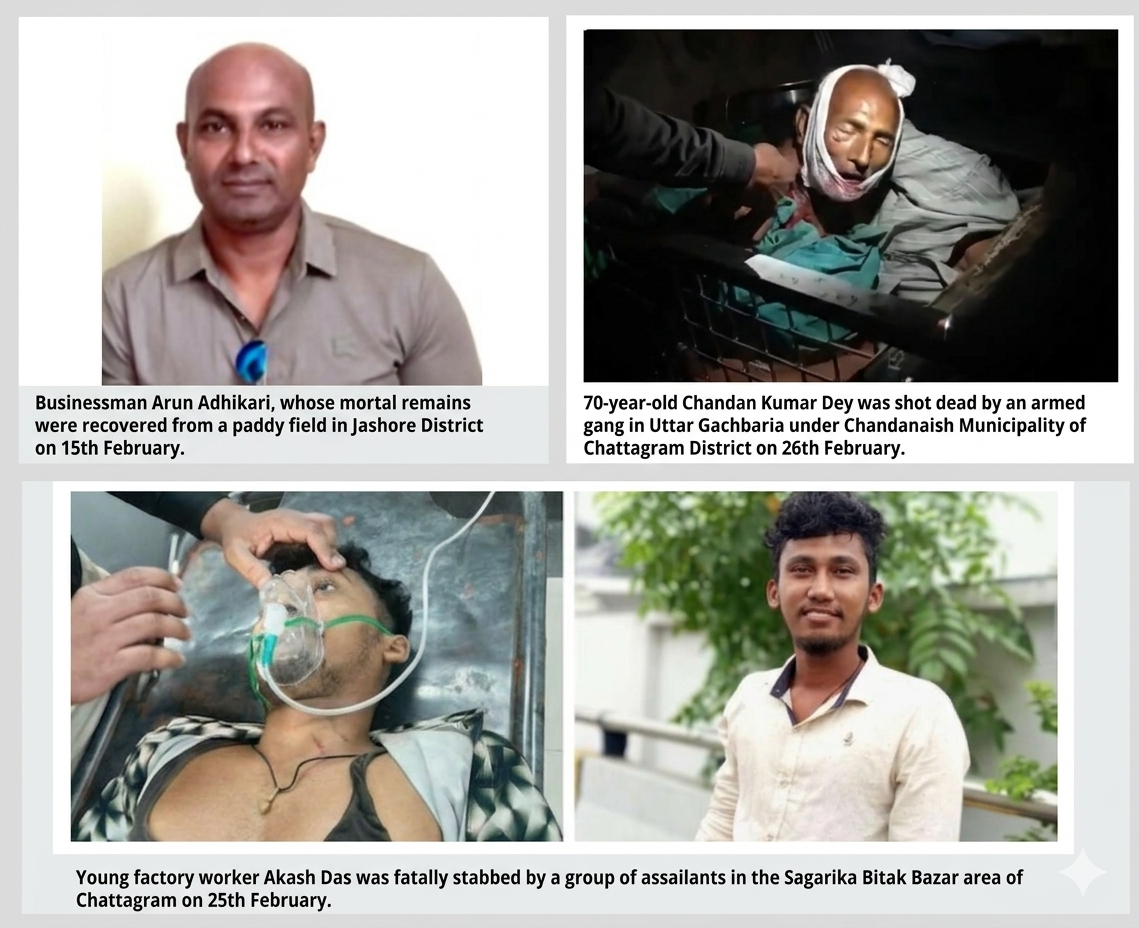
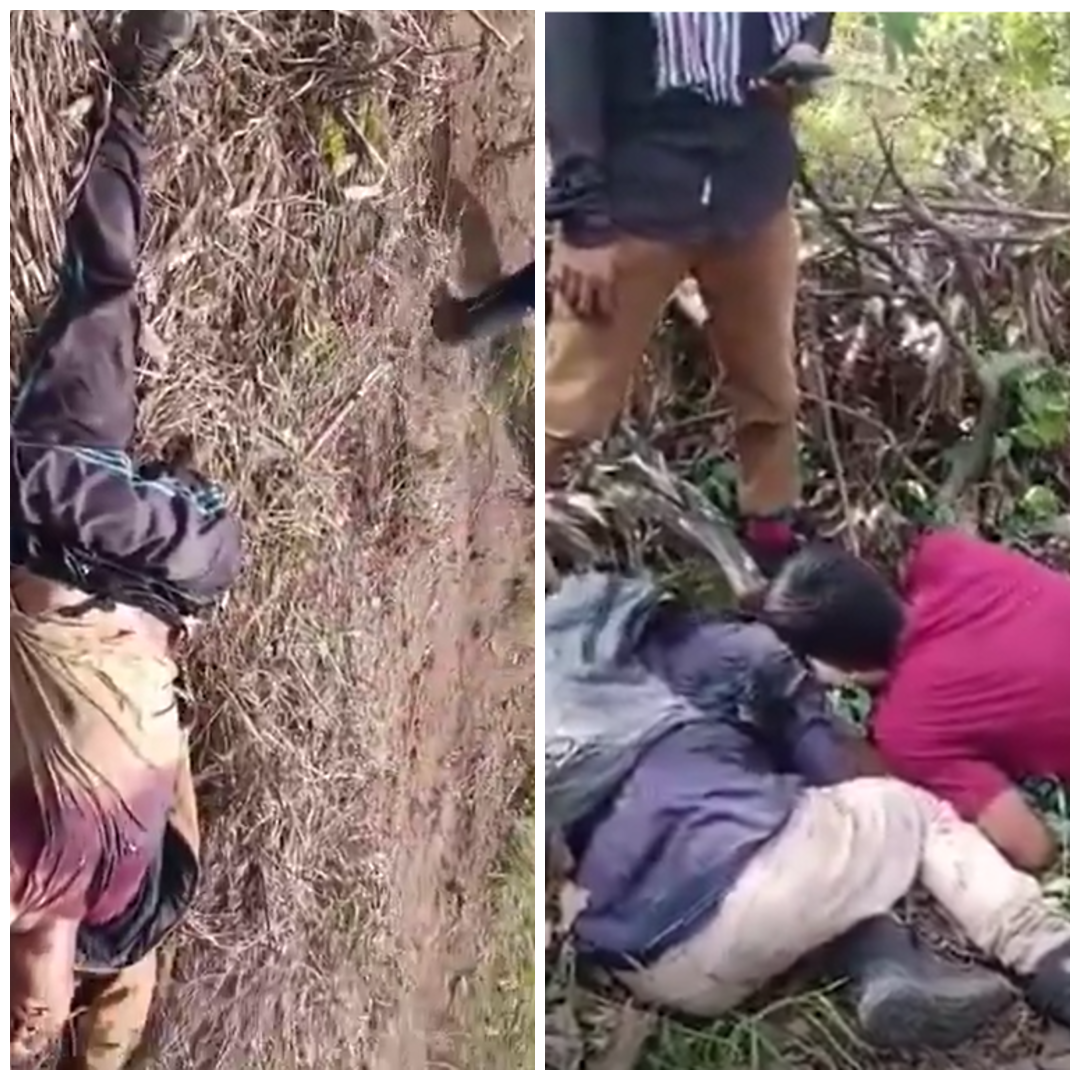
Three killings of members of the Hindu minority community were documented during 12–28 February 2026. The victims included a 70-year-old cattle owner who was shot dead by assailants after attempting to intervene in a cattle theft, a young factory worker who was fatally stabbed following alleged extortion-related hostility, and a local businessman in Keshabpur (Jashore District) whose body was later recovered from a nearby paddy field under circumstances that remain unclear. Detailed case descriptions, supporting documentation, and media references are provided in the Annexure.
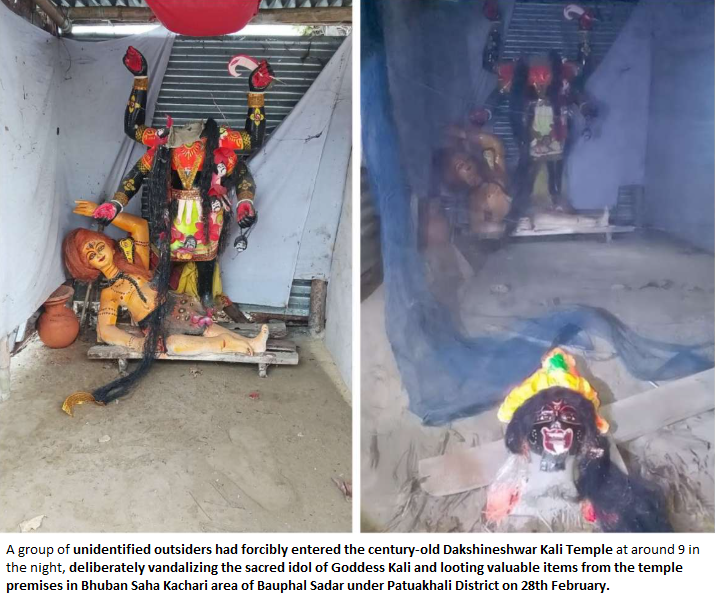
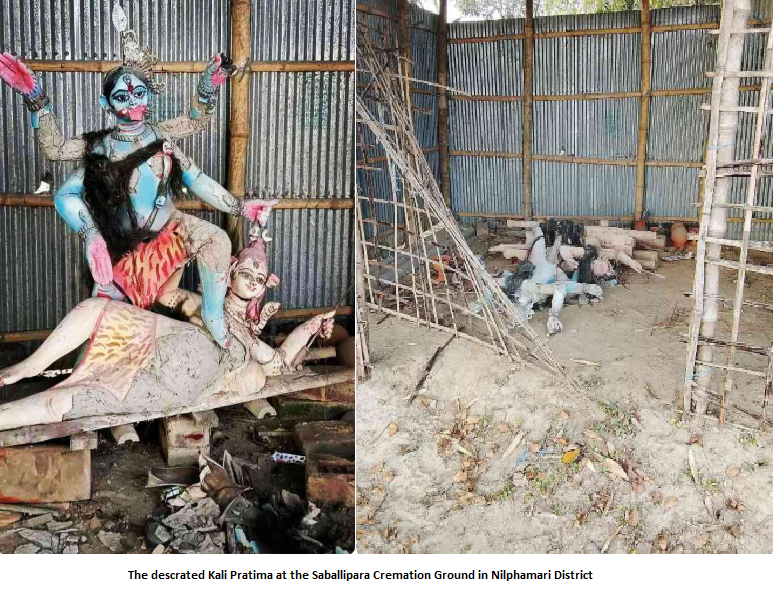
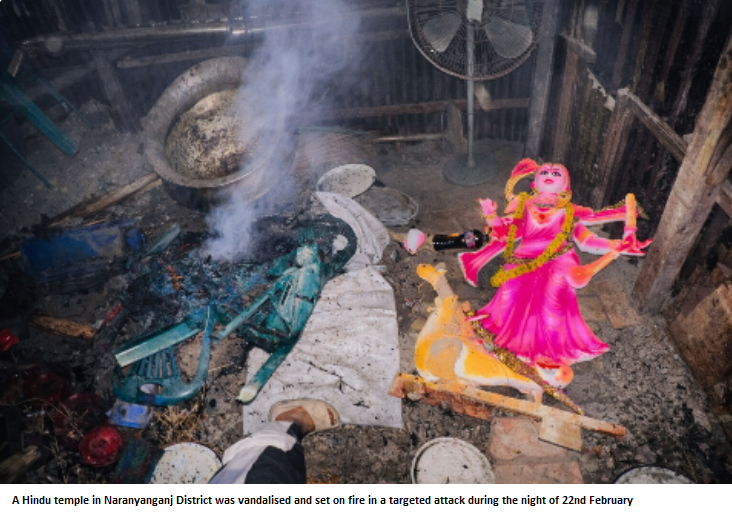
1.1.2. Attacks, vandalisation, desecration or obstruction of Hindu religious sites: 21
At least 21 incidents targeting Hindu places of religious significance were documented during the reporting period, affecting 21 temples and 2 cremation grounds. These incidents involved robbery, vandalism, arson, desecration of sacred idols and attempts to illegally occupy properties of temples and crematoriums.8 temples, including the historic Laxmi Narayan Jiu Temple in Ulipur and the century-old Dakshineshwar Kali Temple in Patuakhali, were robbed. The Assailants had stolen 8 sacred idols, cash donations, ornaments of deities and ritual utensils.
3 temples and a sacred banyan tree were deliberately set ablaze in coordinated arson attacks, leaving behind a trail of devastation. The fires caused extensive structural damage to the temples and destroyed sacred scriptures, revered images of deities and ritual artifacts holding deep spiritual and cultural significance.
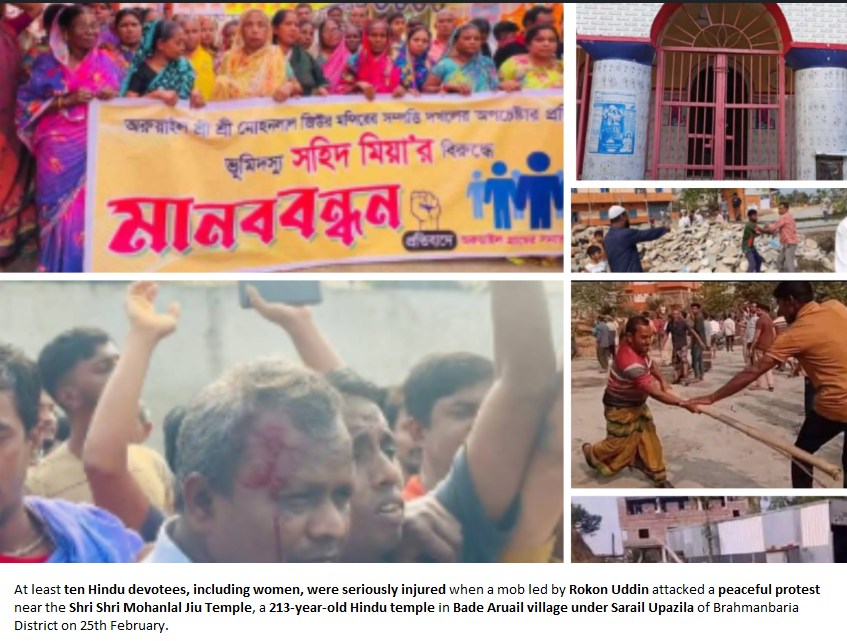
Attempts to occupy or encroach upon the properties of four temples and one crematorium were also recorded, including incidents involving the BuraShib Temple in Dhaka, the Chhoto Shib Temple in Rajshahi, the 213-year-old Sri Sri Mohanlal Jiu Temple in Brahmanbaria and a 350-year-old cremation ground in Maheshkhali Municipality, Cox’s Bazar.
6 temples and one crematorium were vandalised and sacred idols were desecrated inside four of these temples.
Allegations were also recorded of obstruction to religious rituals such as puja and kirtan, alongside complaints that the Barishal Municipal Corporation failed to remove accumulated garbage placed in front of the Sri Sri Maa Shitala Temple in Barishal, raising concerns about administrative neglect affecting the functioning of a Hindu place of worship.
1.1.3. Targeted attacks: 16
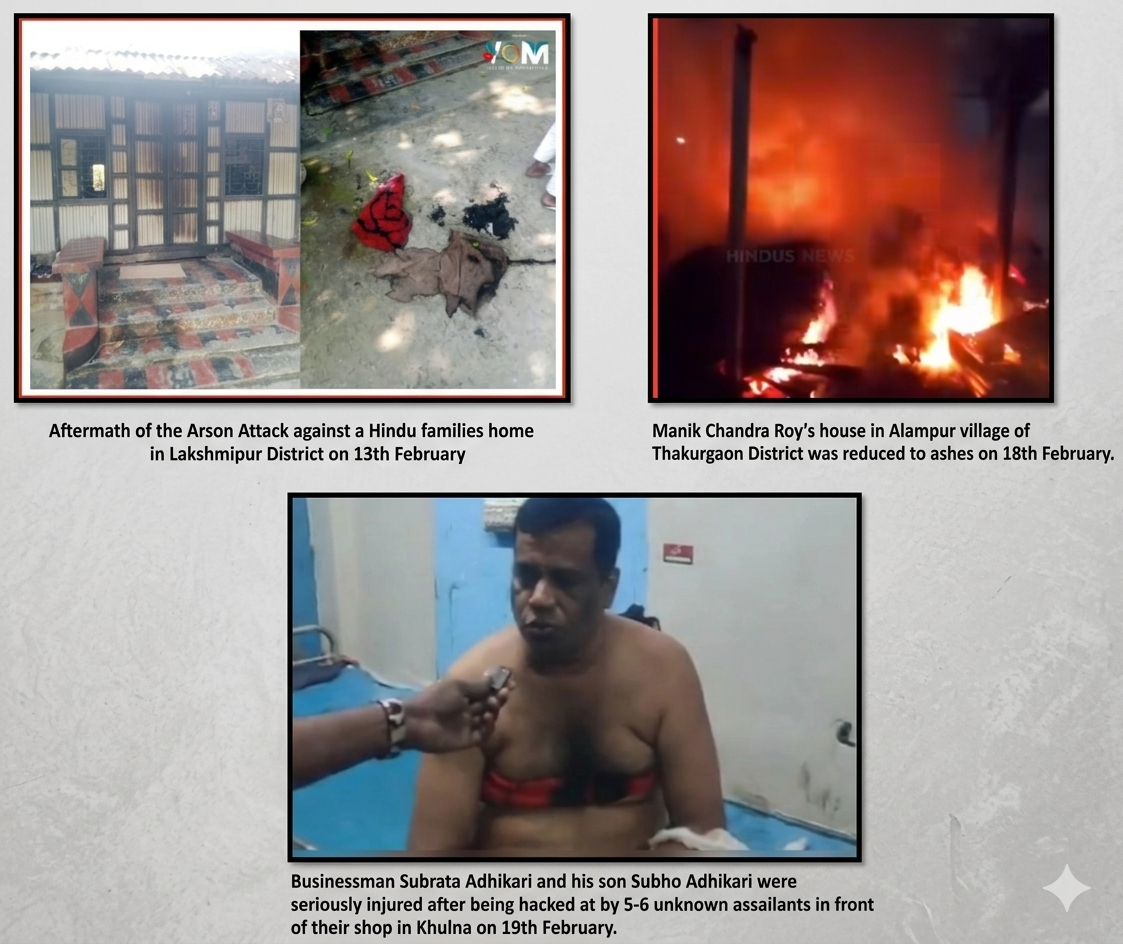
At least 16 targeted attacks against Hindu individuals and families were documented during the reporting period. Available evidence indicates that at least 12 of these incidents were intended to economically undermine the victims, involving the deliberate destruction of crops, arson attacks on homes and businesses, looting of savings, and systematic extortion.
Seven Hindu families became victims of armed robbery. In addition, at least four attacks, including three night-time arson incidents, occurred under circumstances suggesting a possible intent to cause serious physical harm or death.
Detailed case descriptions, supporting documentation, and media references are provided in the Annexure.
1.1.4 Land grabs and forced dispossession: 6
6 incidents of land grabbing and forced dispossession were documented during the reporting period. Victims were subjected to coercive threats and intimidation intended to compel displacement or permanent migration in all 6 cases. Physical violence was reported in at least four incidents, including an armed mob assault and arson attack against the Chowdhury family in Lakshmipur village of Gaibandha District. Detailed incident records, including dates, times, and source references, are provided in the Annexure.
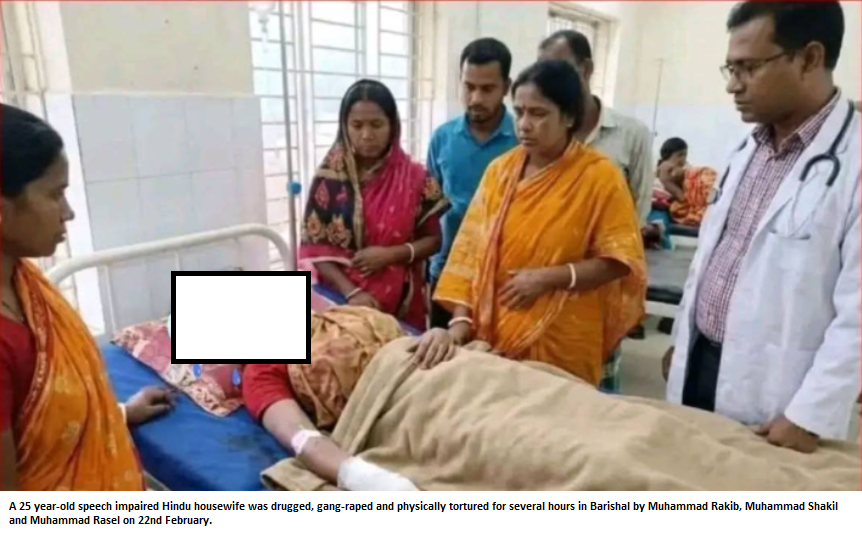
1.1.5. Gang-rape: 1
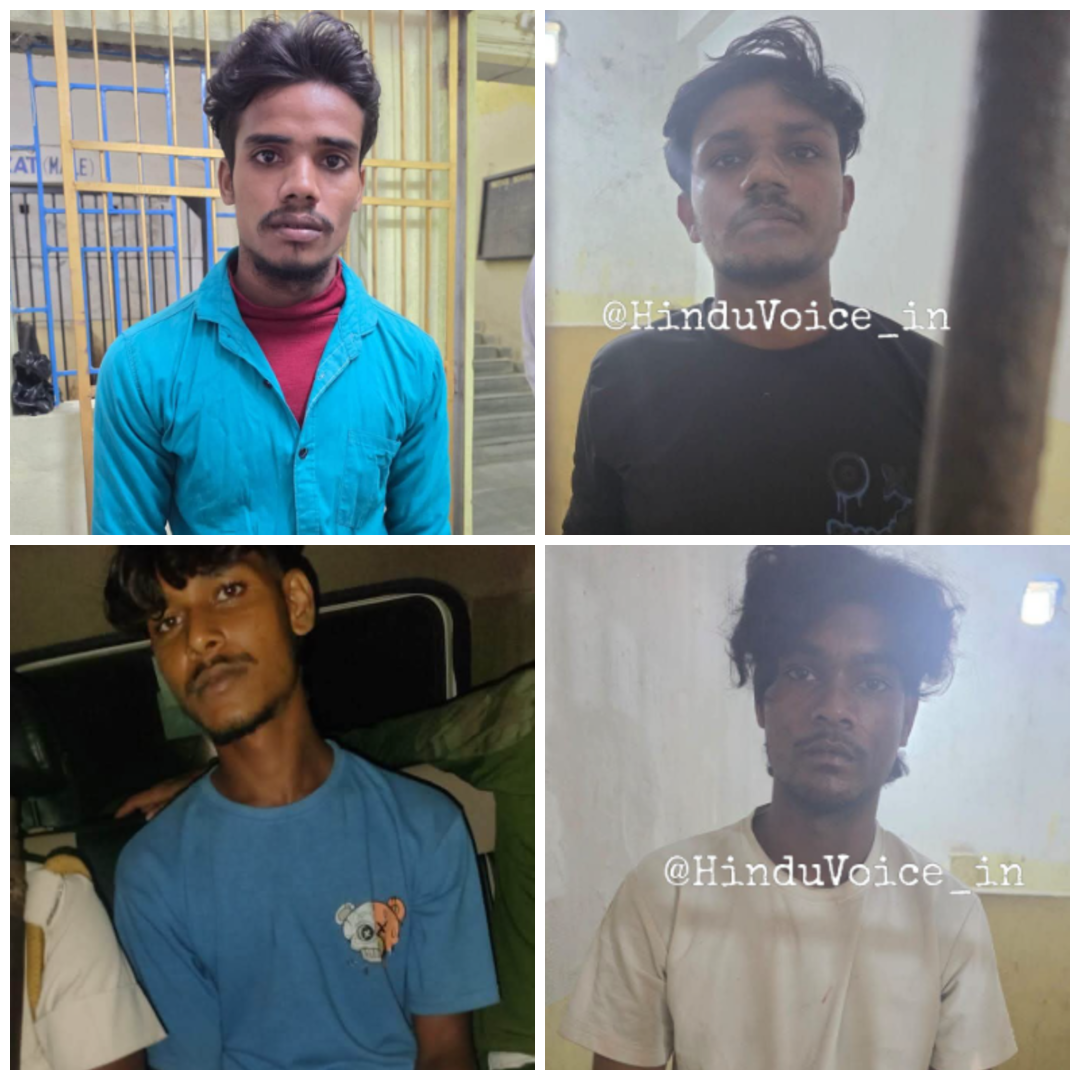
A 25-year-old speech-impaired Hindu woman was abducted while returning home from a large Hindu religious gathering in Bhola. She was drugged and subjected to gang rape by three individuals identified as Muhammad Rakib, Muhammad Shakil and Muhammad Rasel. According to available reports, the perpetrators held the victim for several hours, during which she was repeatedly assaulted and subjected to severe sexual abuse, leaving her with life-threatening injuries and significant blood loss.
1.1.6. Mob Violence: 5
Five instances of mob violence were documented during the reporting period:
a) Hatiya Upazila, Noakhali District : At least seven Hindu families were assaulted, their homes vandalized, valuable possessions looted, and livestock attacked by armed cadres reportedly associated with a coalition led by the Bangladesh Jamaat-e-Islami, acting alongside locally organized criminal networks.
b) Baishari Union, Banaripara Police Station, Barishal District: A Hindu family was attacked by a mob of approximately 25–30 individuals allegedly led by Maksudul Rahman Dalim and Rafik Mallik, both described in local reports as strongmen affiliated with the Bangladesh Nationalist Party. The attack reportedly followed the family’s refusal to pay regular extortion demands, leaving the family patriarch injured.
c) Uzirpur Upazila, Barishal District: School teacher Uttam Kumar was assaulted by individuals allegedly led by Mohammad Sirajul Islam Farazi, a local leader of the Jatiyatabadi Swechchhasebak Dal. Local reports state that the teacher was publicly humiliated at Harta Bazaar on 14 February before being taken to an under-construction building where he was severely beaten.
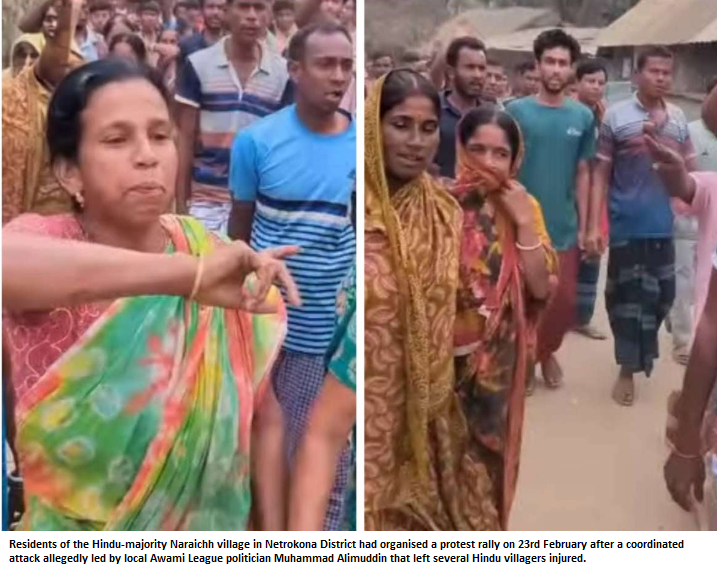
d) Naraichh Village, Mohanganj Upazila, Netrokona District: An armed mob of approximately 25–30 individuals allegedly led by Muhammad Alimuddin, described by residents as a local leader of the Bangladesh Awami League, attacked a Hindu-majority village. Community members state that a minor dispute was used as a pretext for the coordinated assault. At least seven Hindu individuals were injured.
e) Sarail Upazila, Brahmanbaria District: At least ten Hindu devotees, including women, were seriously injured when a mob led by Rokon Uddin attacked participants in a peaceful protest.
1.1.7. Abduction of Hindu women and girls: 2
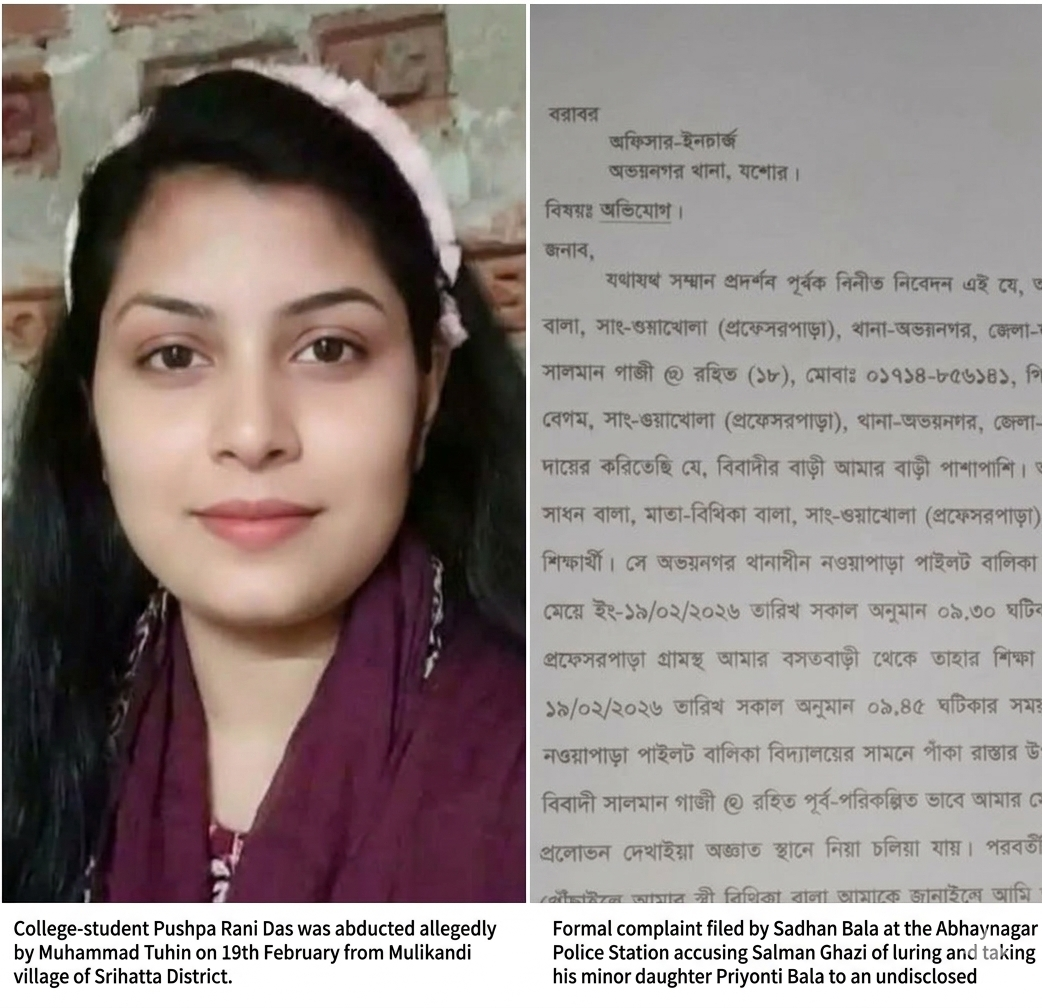
College student Pushpa Rani Das and minor schoolgirl Priyonti Bala were allegedly abducted during the reporting period in two separate incidents. Local reports identify the accused as Muhammad Tuhin and Salman Ghazi respectively.
1.1.8. Online Harassment: 1
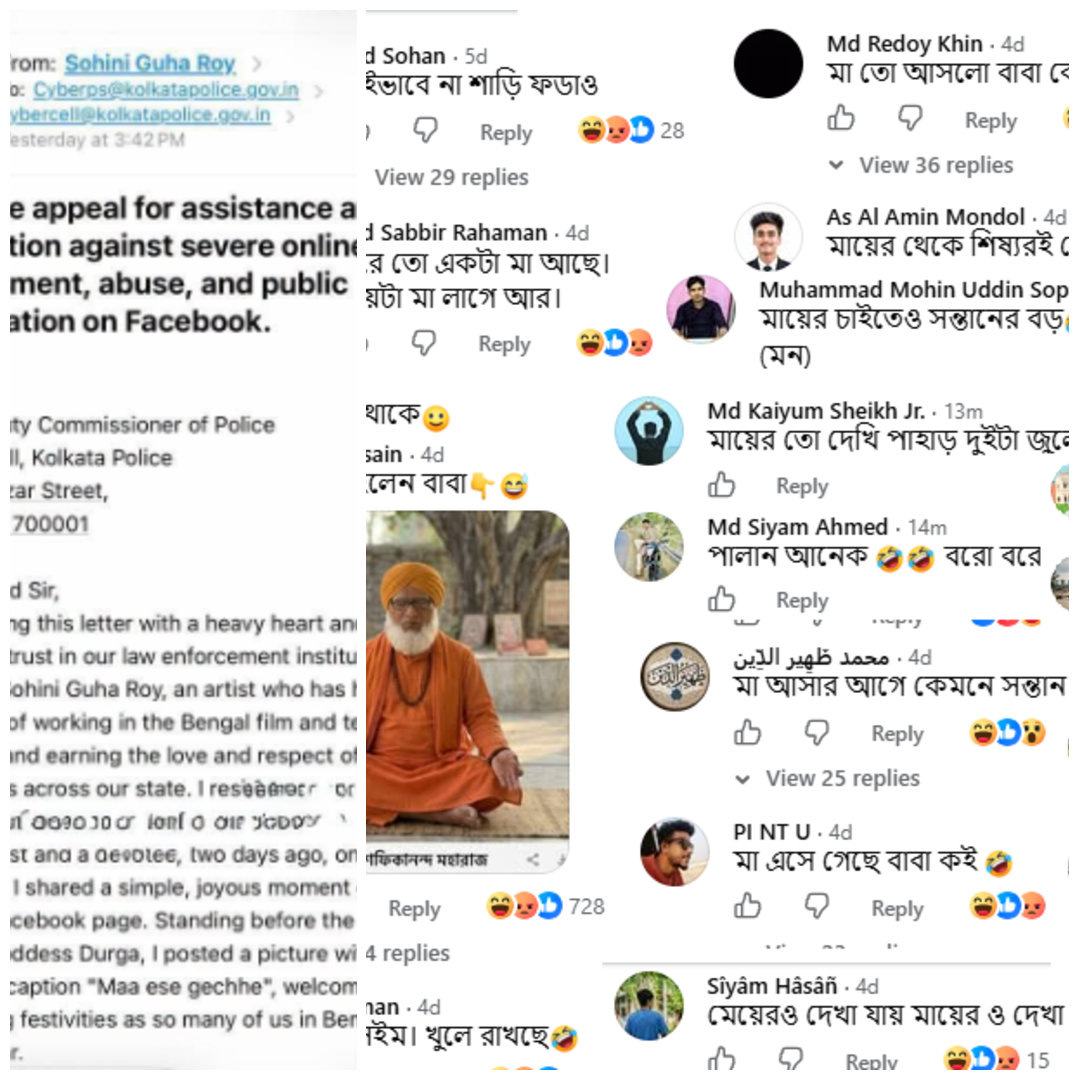
A misleading social media post sparked widespread harassment against Soumya Sarkar, an opening batsman of the Bangladesh national cricket team. A Facebook page named 11 Sports had shared a photograph of Sarkar drinking coconut water during a practice session, reportedly to recover from heat fatigue. The post falsely portrayed the act as disrespectful to teammates observing the Ramadan fast.
Taken together, these figures reveal several recurring and interlinked patterns:
a) Economic Targeting as a Systematic Tool:
The data reveals a consistent pattern of targeted economic violence designed to systematically impoverish Hindu families. Tactics include armed robbery, crop destruction and high-value extortion demands, frequently reinforced by direct violence. Victims were subjected to physical assault or arson in 9 out of 16 recorded cases.
The scale and continuity of these attacks, 15 incidents were recorded by Hindu Voice during November and December 2025 with least 7 more occurring in January, 2026, suggest a sustained approach rather than isolated episodes of violence. This approach has proven particularly effective due to the near absence of restitution or state-supported recovery mechanisms. Since January 2025, state compensation has been documented in only one case out of 522 documented atrocities against religious minorities, leaving most victims without recovery pathways and entrenching long-term economic vulnerability.
Attempts at land grabbing have continued at a steady rate, consistent with patterns observed in 2025. With 66 such incidents documented by the Hindu-Buddhist Christian Unity Council over the year 2025, averaging approximately 5.5 per month, this reflects a sustained strategy of territorial encroachment through intimidation, coercion and prolonged pressure.
The reporting period reflects a notable escalation in attacks on Hindu religious sites, including instances of vandalisation, desecration, arson, and obstruction. A total of 21 such incidents were recorded, compared to 17 documented by Hindu Voice in the preceding three months, indicating a clear expansion in the targeting of religious institutions.
d) Systemic failure of law-enforcement mechanisms and Institutional lack of Accountability
Across incidents, the institutional response reflects a consistent pattern of non-intervention, suggesting systemic reluctance rather than operational incapacity. Of 66 documented cases:
This enforcement deficit has produced visible social ruptures. Following an 18-day campaign of intimidation and alleged land grabbing, approximately 300 Hindu women formed a human chain outside the Shyamnagar Upazila Press Club, demanding protection, security of tenure, and the ability to exercise basic civil rights without fear. Despite direct appeals to national leadership, no decisive corrective action has followed.
e) The strategic use of fear to enforce silence and compliance. When Uttam, a Hindu victim of land-grabbing involving local strongman Ayyub, was asked why he had not pursued legal remedies, he expressed a profound sense of helplessness. While he believes the attempted occupation to be unlawful, he stated that he feels unable to challenge the perpetrators due to his vulnerable position as a member of a religious minority in Bangladesh. This persistent climate of fear ensures that the suffering of many victims remains undocumented and unreported.
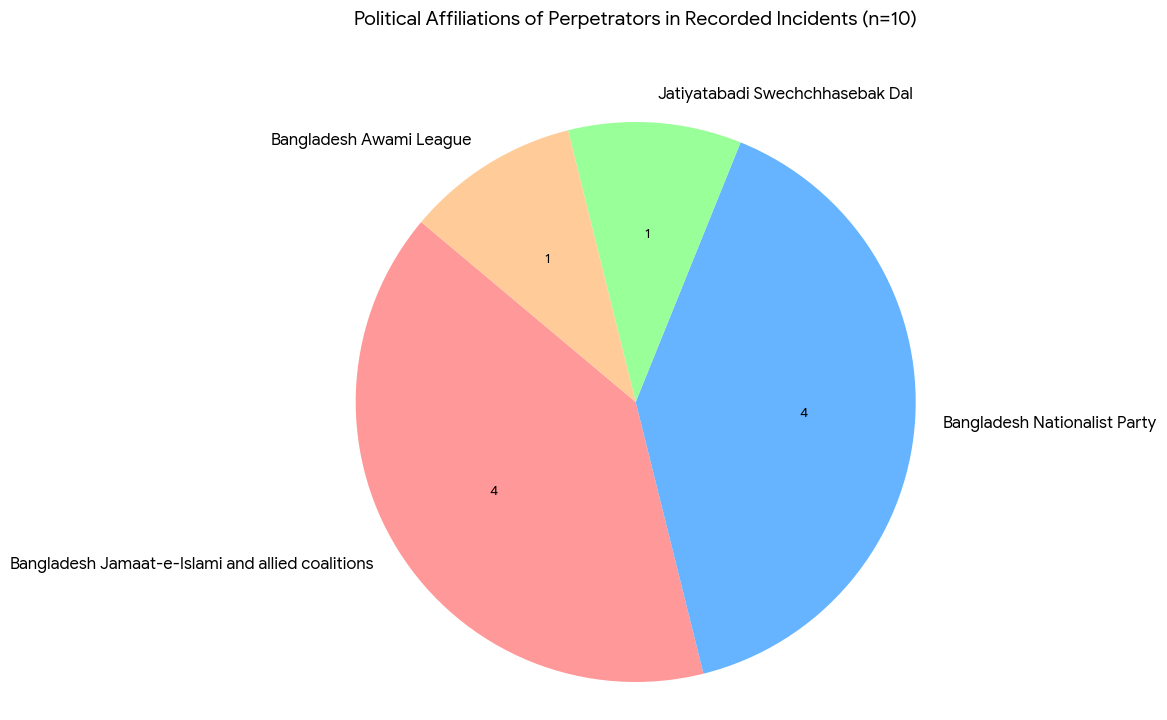
f) Political Linkages: While only 5 of the 66 recorded incidents can be directly classified as attempts to suppress the electoral participation of Hindu minorities, political affiliations emerge as a notable factor in a subset of cases. Victims explicitly identified perpetrators as being affiliated with political organizations in 10 of the recorded incidents.
Members associated with Bangladesh Jamaat-e-Islami and allied coalitions have been accused in 4 incidents, including the forcible occupation of religious sites, mob violence, and targeted arson.
Individuals linked to the Bangladesh Nationalist Party have been named in 4 incidents involving mob violence, assault, and land-grabbing.
A local leader of the Jatiyatabadi Swechchhasebak Dal has been implicated in 1 incident of mob violence.
Similarly, a local leader affiliated with the Bangladesh Awami League has been identified in another incident of mob violence.
g) Media Response and Information Suppression: The scale and consistency of coverage by mainstream Bangladeshi media outlets remain markedly limited when compared to the volume of incidents documented by minority rights organizations and local monitoring groups. Of the 66 recorded atrocities, only 14 received coverage in prominent outlets such as The Daily Star and Prothom Alo.
Moreover, several of these incidents are framed primarily as generic “law and order” issues, with little to no acknowledgment of discernible targeting patterns or the minority status of the victims. This framing contributes to a broader pattern of informational minimization, obscuring the potential systemic nature of the violence.
The violence documented in this report conforms to what may be described as a Random, Unceasing, Low-Level, Scattered (RULLS) violence model. Under this model, persistent yet geographically dispersed acts of violence generate continuous insecurity without triggering immediate national or international alarm.
While individual incidents may appear isolated when assessed independently, their frequency, similarity, and cumulative impact reveal a sustained environment of persecution.
Evidence gathered since September 2024 indicates that hardline Islamist groups have engaged in coordinated and frequent grassroots-level mobilisation, including leaflet distribution and local gatherings extending even to remote villages. These campaigns promote narratives that dehumanise Hindus and normalise hostility. Two such leaflets circulated at the village level during late 2024 are reproduced below for reference.

The environment shaped by sustained grassroots-level radicalisation has repeatedly been observed to translate into acts of violence arising from minor disputes and everyday interactions, as well as into targeted attacks, a pattern documented across multiple districts during the reporting period. The coordinated assault against Sribas Sikdar on 17th February, reportedly triggered by a minor verbal disagreement, exemplifies this dynamic.
This report is based on systematically compiled documentation derived from ground-level reporting by local human rights and minority rights organizations, supplemented and cross-verified against national and regional media sources where feasible. All incidents included in this analysis have been chronologically catalogued, with source links, URLs, and concise case summaries provided in Annexure I to facilitate independent verification and audit.
To strengthen evidentiary reliability, volunteers affiliated with Hindu Voice have conducted on-site verification of 25 out of the 66 documented incidents, incorporating primary field observations alongside secondary-source validation.
Notwithstanding these measures, the findings must be interpreted within the context of persistent constraints on media freedom, structural underreporting and fear-induced non-disclosure among affected communities. Accordingly, the figures presented represent a conservative estimate of documented and verifiable incidents, rather than a comprehensive account of the total scale of occurrence.
The evidence presented in this report indicates that violence targeting the minority Hindus in Bangladesh is neither incidental nor episodic. The frequency, geographic distribution and recurring modalities of persecution against Hindus in Bangladesh point to an entrenched environment of vulnerability rather than isolated failures of law and order. This condition is exacerbated by limited enforcement, weak accountability and constrained media visibility, creating a permissive context in which such acts can recur with relative impunity.
The convergence of economic coercion, land dispossession, and attacks on religious institutions underscores a multidimensional pattern that extends beyond opportunistic violence. Its persistence across both rural and urban contexts further indicates that the underlying drivers are not localized, but socially diffused. At the same time, structural underreporting and fear-induced silence suggest that the documented figures represent only a conservative estimate of the true scale.
Taken together, these dynamics reflect a gradual but sustained erosion of security, dignity and equal citizenship. In the absence of credible enforcement, institutional accountability and transparent recognition of the problem, the patterns identified are unlikely to abate and may instead become further entrenched.
https://drive.google.com/file/d/1LvHcnGC2uZ8as4D4ARVIU3624Mpc9a8m/view?usp=drive_link