What TV doesn't, print can't; we deliver.
What TV doesn't, print can't; we deliver.
What TV doesn't, print can't; we deliver.

On the sacred night of Mahashivratri, when chants of “Har Har Mahadev” were meant to echo across the hills of Sitakunda, the bells of Chandranath Temple were drowned not by devotion, but by screams.
They arrived barefoot and fasting with brass vessels of milk and sacred Ganga water from Assam, Tripura, Manipur and from every distant corner of Bangladesh to bow before Mahadev at one of Hinduism’s most revered Shakti Peeths. Chandranath Dhaam is believed to be the spot where Sati’s right arm fell. The sacred hill had welcomed pilgrims seeking the blessings of Mahadev and Devi Parvati since the Pala era.
Each year, Mahashivratri draws tens of thousands of pilgrims to this ancient shrine. In 1950, the festival fell on 15th February. Devotees began arriving days in advance.
But by 10th February, widespread anti-Hindu violence had already erupted across East Pakistan. The looting, arson, abductions, forcible conversions, and killings had reached Chattagram by 12th February.
Aware of escalating hostility, local Hindu residents had repeatedly urged authorities to suspend the Mahashivaratri fair. The District Judge serving as ex officio President of the Shrine Committee did not give any clear directive. The Divisional Commissioner assured that adequate police protection would be provided to all devotees and advised that the fair continue.
The assurances would soon prove tragically inadequate.
On 12 February, Hindu pilgrims who had reached Chittagong were assaulted. On the evening of 14 February, a group of pilgrims leaving Chittagong for Sitakunda reportedly went missing. Pilgrim Dakhina Bhoumik of Kumira village was beheaded by an Islamist mob at Enayat Bazar.
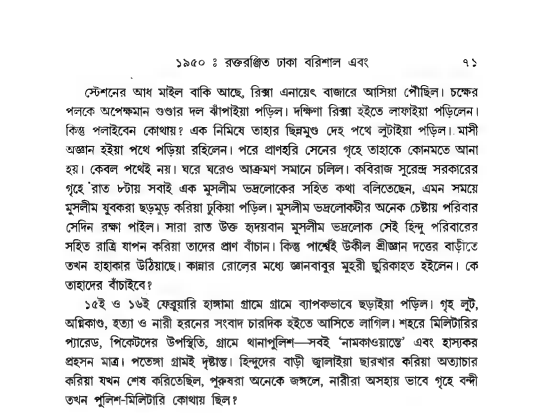
Then came the morning of 15 February.
As a train carrying Mahashivratri devotees pulled into Sitakunda station, armed attackers descended upon it. Witnesses recount that passengers were hunted down inside compartments and cut down on the platforms. Eyewitness testimony describes bodies lying along the railway tracks — one account counted at least 25 corpses in a single stretch.
All up and down trains to and from Sitakunda were brought to a halt by Islamist mobs who pulled Hindu passengers from the carriages and murdered them in cold blood. In the Station Area, Hindu homes and shops were systematically identified and set ablaze until almost nothing remained but ash. Devotees travelling by road were intercepted, pursued and hunted along the stretch from Sitakunda to Chandranath Dhaam.
Independent investigations and later compilations have suggested that thousands of Hindus were killed in the broader Mirsarai–Sitakunda region during that week of February 1950. Some estimates like the research study by Journalist Binoy Datta run into the tens of thousands across eastern districts during the wider violence of 1950.
No memorial stands prominently at the railway station to mark the lives that were torn from their families on that stretch of platform. The trains run again, the crowds return and announcements echo as if history itself has been instructed to move on. There has been no national reckoning, no solemn accounting, no moment when the country collectively stopped to name what happened and to whom.
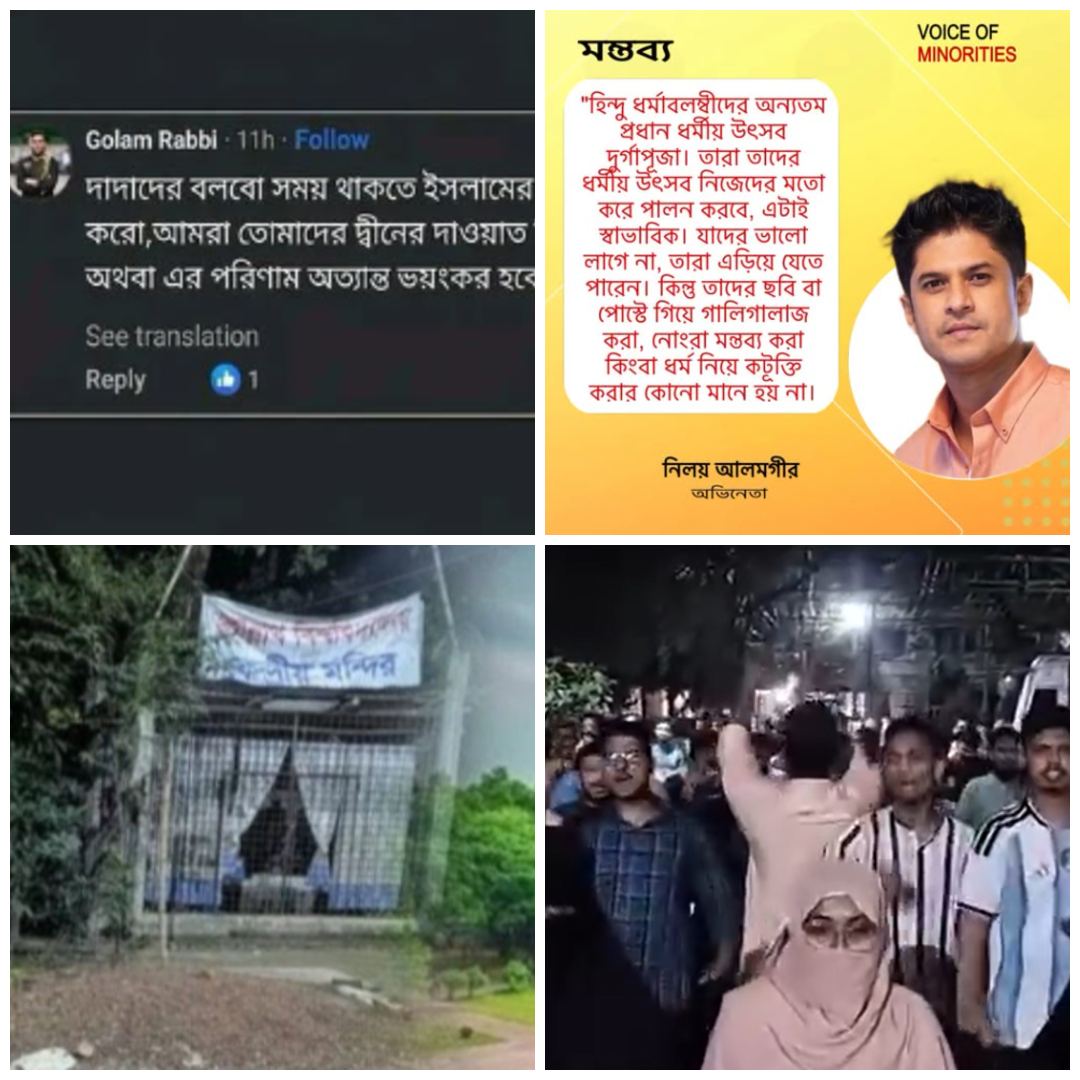
In the silence that followed, erasure took root. Islamist encroachers continue to occupy and expand upon its properties with brazen impunity, altering boundaries, asserting control, and desecrating what was once hallowed space [3][4]. What violence began with blood has been continued through encroachment — slow, methodical and shielded by indifference.