What TV doesn't, print can't; we deliver.
What TV doesn't, print can't; we deliver.
What TV doesn't, print can't; we deliver.
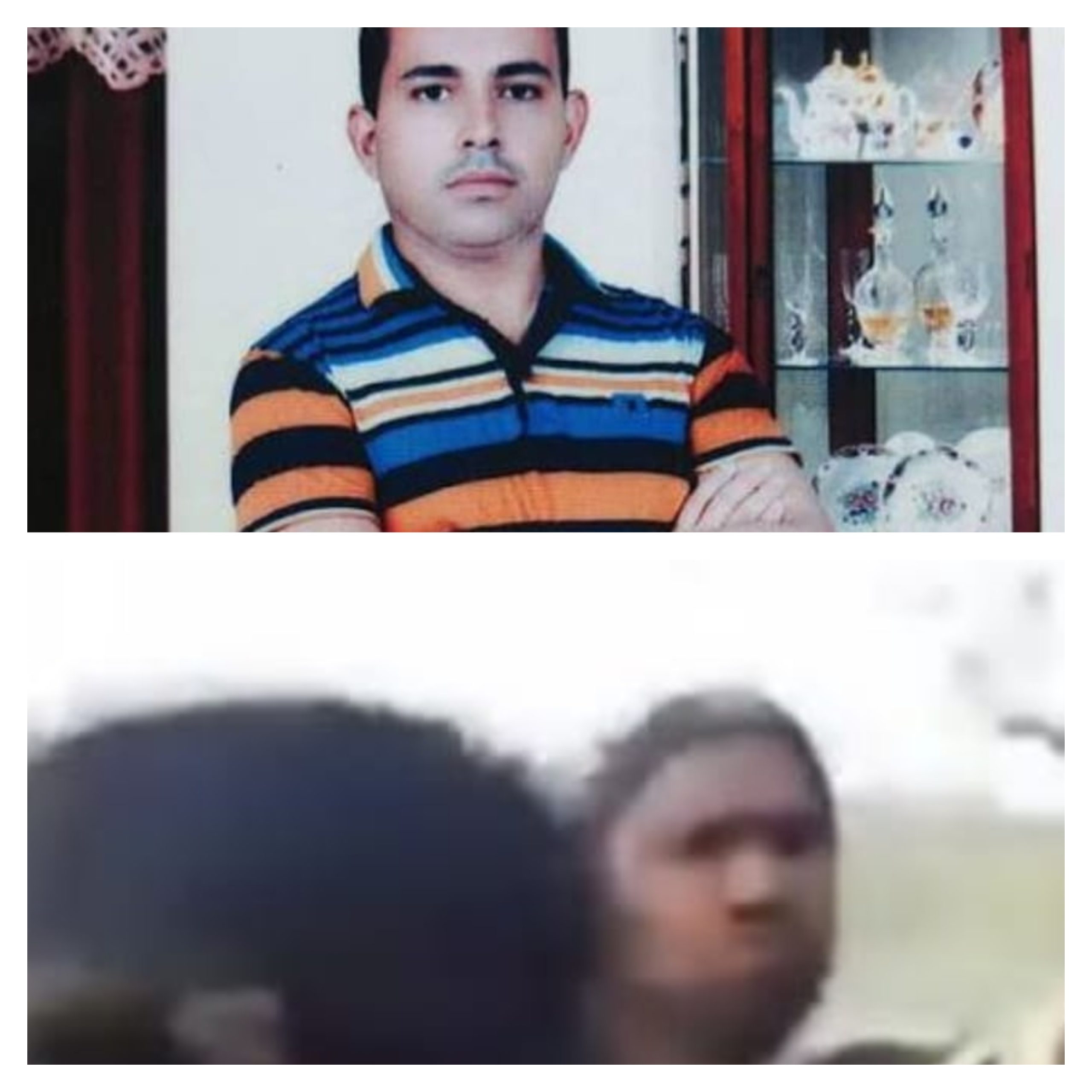
Two grave incidents occurring within a 24-hour period :
Taken together, the incidents underscore persistent vulnerabilities faced by minority communities, particularly where alleged perpetrators possess political influence or where investigations remain opaque and inconclusive.
On 20 January, a local political figure identified as Idris, reportedly affiliated with the Bangladesh Jatiotabadi Krishak Dal, the farmers’ wing of the opposition Bangladesh Nationalist Party (BNP), allegedly attempted to forcibly seize agricultural land belonging to the family of Mani Mondol, a Muktiyoddha (Liberation War veteran).
According to accounts provided by local residents and testimonies from the female members of the Mondol family, Idris and several associates arrived at the land and attempted to occupy it without legal authority. When confronted by the women of the household, Idris allegedly issued explicit threats of gang rape in public, using the threat of sexual violence as a means of intimidation and coercion. The family further alleges that the senior female member of the household was physically assaulted during the confrontation.
A video recorded by the family and now circulating locally reportedly shows Idris and an associate driving a tractor dangerously close to the women while verbally threatening them. Human-rights observers familiar with the footage describe the conduct as an apparent attempt to terrorize, humiliate, and silence the victims, particularly by exploiting their gender and social vulnerability [1].
The fact that the targeted family belongs to a Muktiyoddha—an individual who contributed directly to the 1971 Liberation War—has intensified public concern. Civil society actors have described the incident as emblematic of a broader erosion of protections for minority families, including those whose contributions to the nation’s founding are historically acknowledged.
Despite the seriousness of the allegations—including threats of mass sexual violence—there has been no public confirmation, as of this writing, of arrests, protective measures, or formal legal proceedings. The absence of visible action has heightened fears that political affiliation and local influence may once again obstruct accountability.
In a separate incident, authorities recovered the body of a young Hindu man from the Meghna River in Gazaria Upazila, Munshiganj District, at approximately 11:00 a.m. on Wednesday.
The deceased was identified as Joy Chakraborty (33), son of Swadesh Chakraborty, a resident of the Thakurpara area of Cumilla Metropolitan City. Identification was made through a driving licence recovered from the victim’s pocket.
Local residents reported that the body had been seen floating near the Dubar Char area of Hosendi Union earlier that morning, drawing public attention before authorities were notified. Personnel from the River Police subsequently recovered the remains.
According to Inspector Sarjit Kumar Ghosh, Officer-in-Charge of the Gazaria River Police Outpost, the body exhibited signs of advanced decomposition, suggesting that it had been in the water for approximately five days. The victim’s family has since been informed.
Police further stated, quoting the victim’s elder brother Nayan Chakraborty, that Joy had left home on 16 January at around 8:00 a.m., reportedly following a minor family disagreement, and had left his mobile phone behind. When he failed to return, family members initiated a search and filed a General Diary (GD) at Cumilla Kotwali Police Station on 17 January.
As of this writing, authorities have not clarified whether foul play is suspected, whether a post-mortem examination has been completed, or whether the case is being investigated under circumstances commensurate with a missing person later found deceased. The lack of publicly available information has raised concerns among community members regarding investigative transparency and urgency [2].
While authorities may treat these incidents as unrelated, minority-rights advocates and independent observers contend that they reflect recurring structural failures affecting Hindu and other minority communities.
Documented patterns include:
Land dispossession targeting minority families, frequently involving individuals with political or local influence
Sexual threats and violence against minority women, employed as instruments of intimidation and forced displacement
Unexplained deaths and disappearances of minority youth, often followed by delayed or inconclusive investigations
Selective or absent enforcement of justice, particularly in cases implicating politically connected actors
Recent documentation reinforces these concerns. A report by The Hindu Voice recorded 82 separate incidents during November–December, affecting at least 317 Hindu individuals through violence, intimidation, or dispossession [3]. Separately, records compiled by the Human Rights Congress for Bangladesh Minorities document at least 115 killings of Hindus between July and December 2025 [4]. Human-rights defenders caution that these figures likely underrepresent the true scale of abuse, due to underreporting driven by fear of reprisals and lack of trust in authorities.
Against this backdrop, the alleged use of rape threats in a land dispute, the targeting of a Liberation War veteran’s family, and the unresolved death of a missing Hindu man cannot be dismissed as isolated aberrations. Rather, they raise urgent questions about the consistency and impartiality of state protection for minority citizens.
Key questions remain unanswered:
Who ensures protection when local power structures are themselves implicated in abuse?
What safeguards exist to prevent political affiliation from obstructing justice?
How many similar cases remain undocumented, unresolved, or quietly abandoned?
For the Mondol family and the Chakraborty family, justice remains uncertain. For minority communities across Bangladesh, these incidents serve as a stark reminder that formal citizenship does not always translate into security, dignity, or equal protection under the law.
Reference :