What TV doesn't, print can't; we deliver.
What TV doesn't, print can't; we deliver.
What TV doesn't, print can't; we deliver.

India has once again been reminded that the threat of terror is a persistent, adaptive reality and not a distant headline.
In a coordinated operation spanning two states, security agencies arrested eight Islamists allegedly linked to the Pakistan-based terror outfit Lashkar-e-Taiba. According to officials, the arrests have potentially thwarted a larger conspiracy aimed at destabilizing the country.
This was not an isolated or amateur plot. It bore the hallmarks of planning, cross-border coordination, and ideological messaging.
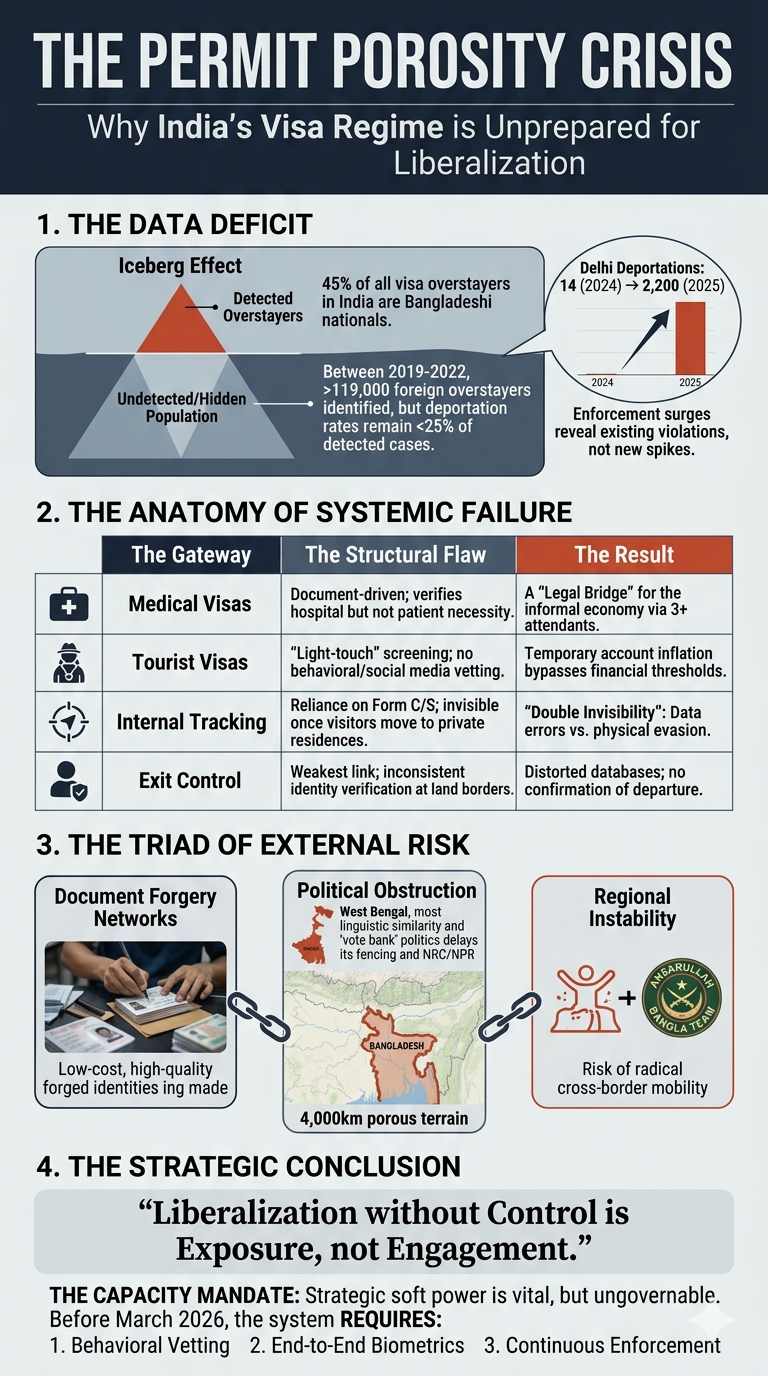
Six suspects identified as Mizanur Rahman, Mohammed Shabat, Umar, Mohammed Litan, Mohammed Shahid, and Mohammed Ujjal were arrested from garment manufacturing units in Tiruppur. Two others were apprehended in West Bengal. Among those detained, officials say, is a Bangladeshi national.
Investigators believe the group was in contact with handlers based in Bangladesh, with at least one handler reportedly operating out of Pakistan. Funding trails are being examined, with sources indicating money transfers linked to extremist organizations. Authorities also recovered multiple mobile phones and 16 SIM cards, suggesting operational layering and attempts at concealment. Perhaps most disturbing are allegations that forged Aadhaar cards were used for identification.
Ten days before the arrests, posters reading “Free Kashmir” and “Stop Genocide in Kashmir” had appeared at over ten locations in Delhi and Kolkata, including metro stations.
The messaging was calculated. Such propaganda serves a dual purpose: psychological provocation and operational signaling. It tests response times, spreads ideological narratives, and attempts to create social polarization. Extremist outfits have long understood that perception warfare precedes physical violence.
The arrested suspects are now being handed over to the Delhi Police for further investigation.
The arrests come amid intelligence inputs suggesting that Lashkar-e-Taiba has been planning a possible blast near Delhi’s iconic Red Fort, as well as at prominent religious sites, including a temple in Chandni Chowk.
The symbolism is chilling. The Red Fort is the site from which India’s Prime Minister addresses the nation on Independence Day. An attack there would be designed not only to cause casualties but to strike at the psychological core of the republic.
Security sources have indicated that the suspected method involved an improvised explosive device (IED), a tactic frequently used by cross-border terror outfits due to its relative ease of assembly and devastating impact.
This alleged module reflects a broader pattern that India has faced for decades:
Cross-border sponsorship
Local recruitment or sleeper activation
Propaganda seeding before physical attack
Targeting of symbolic or religious locations to maximize division
Industrial towns like Tiruppur with large migrant populations and complex labor ecosystems, can become vulnerable to infiltration because of gaps in systemic oversight.
The alleged involvement of a Bangladeshi national also highlights the evolving tri-junction of radical networks operating between Pakistan, Bangladesh, and India. This triangular linkage demands sharper intelligence coordination, especially in border management and digital monitoring.
Officials have pointed to social media contact with handlers. Today’s radicalization pipelines no longer rely solely on clandestine meetings. Encrypted platforms, digital wallets, and remote handlers have created a decentralized operational architecture. The recovery of numerous mobile phones and SIM cards underscores the tactical sophistication of such cells.
India’s counter-terror apparatus must now think in terms of cyber-terror logistics, not just physical surveillance.