What TV doesn't, print can't; we deliver.
What TV doesn't, print can't; we deliver.
What TV doesn't, print can't; we deliver.
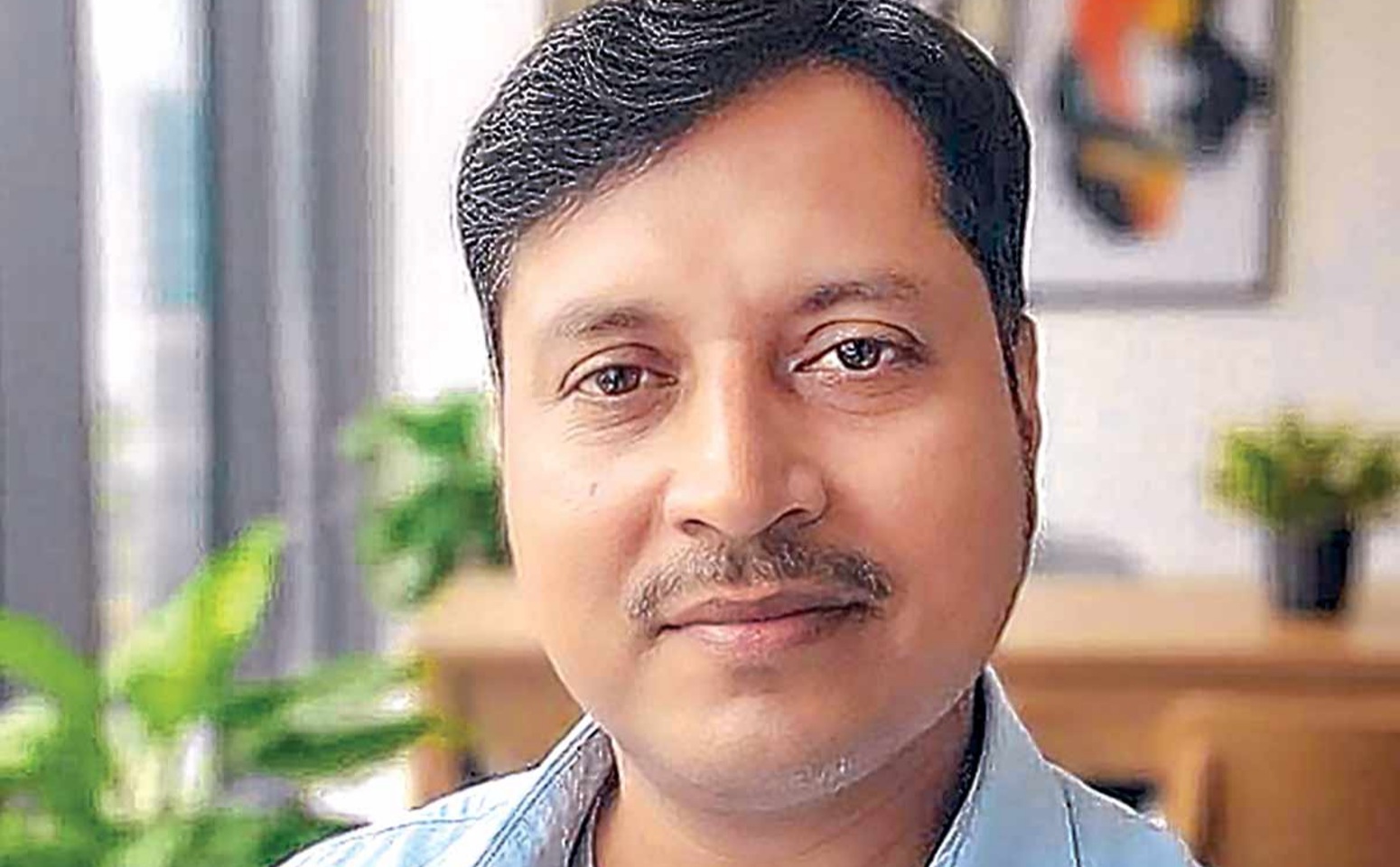
A 46-year-old information technology employee at Lady Dufferin Hospital has formally converted from Islam to Sanatan Hindu Dharma after what he describes as a 16-year-long effort to obtain legal and religious recognition of his decision.
The man, formerly known as Samiruddin Molla, is now known as Samir Ray following an affidavit before a court. A resident of Chinsurah in Hooghly district, Ray said his decision was motivated by his longstanding affinity for Hindu customs and his wish to be cremated after death.
According to Ray, his desire to embrace Sanatan Hindu Dharma dates back to 2010, when he first approached the court seeking to formally change his religion.
“Returning to an earlier faith after adopting another is not easy,” Ray said, recalling his experience. He claimed that a judge at the Chandannagar court had told him at the time that he would need a certificate from a spiritually inclined or religiously respected Hindu before proceeding with the conversion.
Ray subsequently approached Dr Krishna Bala, a doctor associated with a department of ISKCON. According to Ray, she initially told him that a mere declaration of faith would not be sufficient and that his way of life would have to be observed before she could provide a certificate.
After observing Ray’s lifestyle and religious practices, the doctor eventually agreed to issue the certificate, he said.
Ray said his family background also influenced his relationship with Hindu traditions. According to him, his mother, Rupa Adhikari, was born a Hindu but converted to Islam after marrying his father, Alibordin Molla, and later became known as Parvin Rozi.
He recalled that he had long participated in Hindu religious practices at his maternal grandmother’s home, including performing Lakshmi Puja.
“I have always liked the customs, rituals and traditions of Hindu Dharma,” Ray said.
One of his principal reasons for seeking the conversion, he explained, was his belief about the treatment of the human body after death.
In Hindu philosophy, the human body is traditionally associated with the Pancha Bhuta, or five fundamental elements—earth (kshiti), water (ap), fire (tejas), air (marut) and space (vyoma). Hindu cremation traditions hold that the physical body is returned to these elements through the funeral process.
Ray said he wanted his body to be cremated after death rather than buried.
“I want to be cremated after my death,” he said, explaining that he felt a contradiction between practising Hindu rituals during his lifetime and being buried according to his former religious identity after death.
“I used to perform puja at my grandmother’s house. A person following Hindu religious practices in life being buried after death did not seem right to me,” he said.
After years of pursuing the process, Ray has now formally adopted Sanatan Hindu Dharma and changed his name through an affidavit.
His case highlights the deeply personal nature of religious identity and the importance that questions surrounding family heritage, personal belief and funeral traditions can hold for individuals making such decisions.
===================================
If you love our work, you can help us by contributing a small amount of your choice.