What TV doesn't, print can't; we deliver.
What TV doesn't, print can't; we deliver.
What TV doesn't, print can't; we deliver.
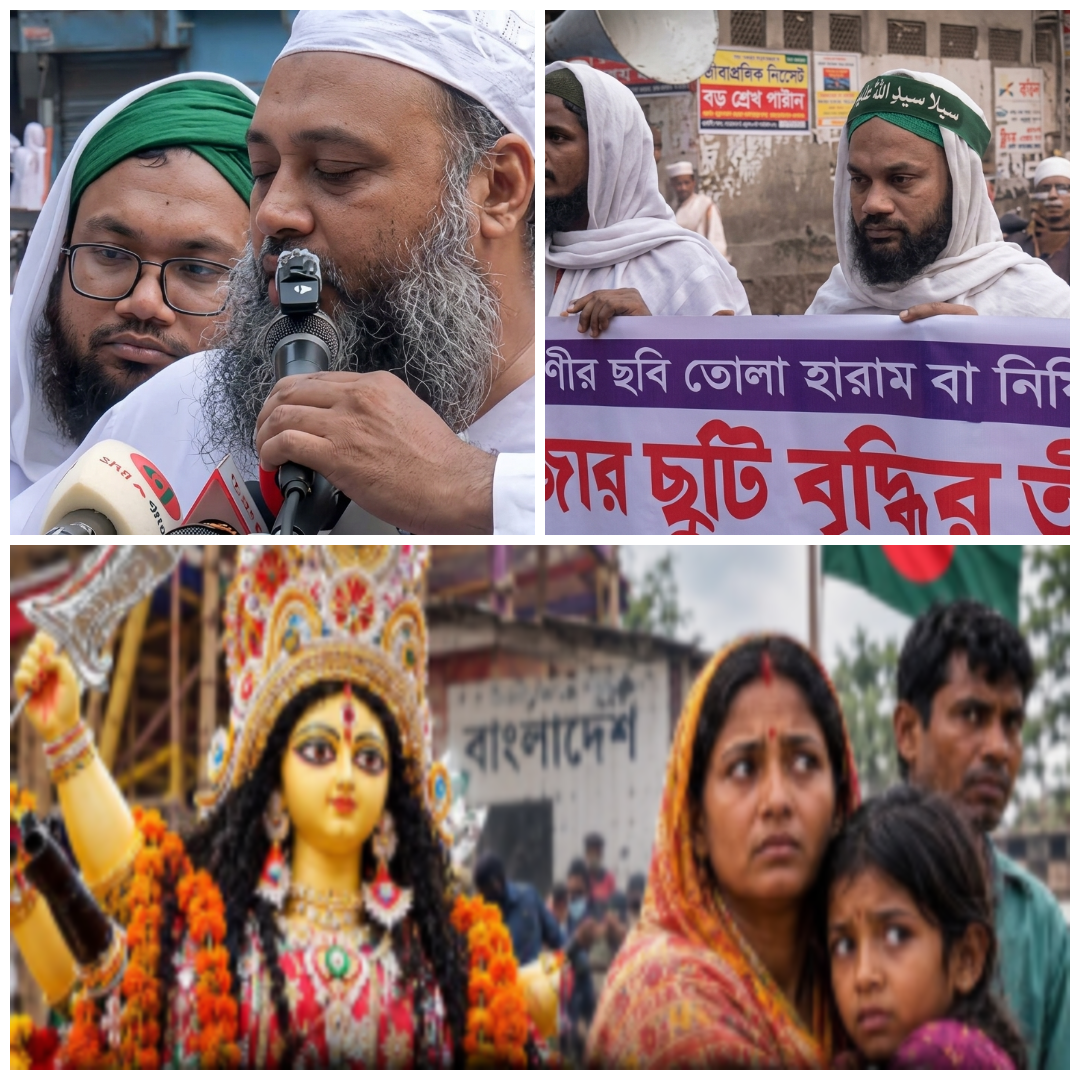
More than 1.3 crore Hindus in Bangladesh are approaching their most sacred festival under a suffocating environment of fear, as a collapsing law-and-order situation and a year marked by persistent persecution have left a vulnerable minority confronting Durga Puja with dread rather than devotion.
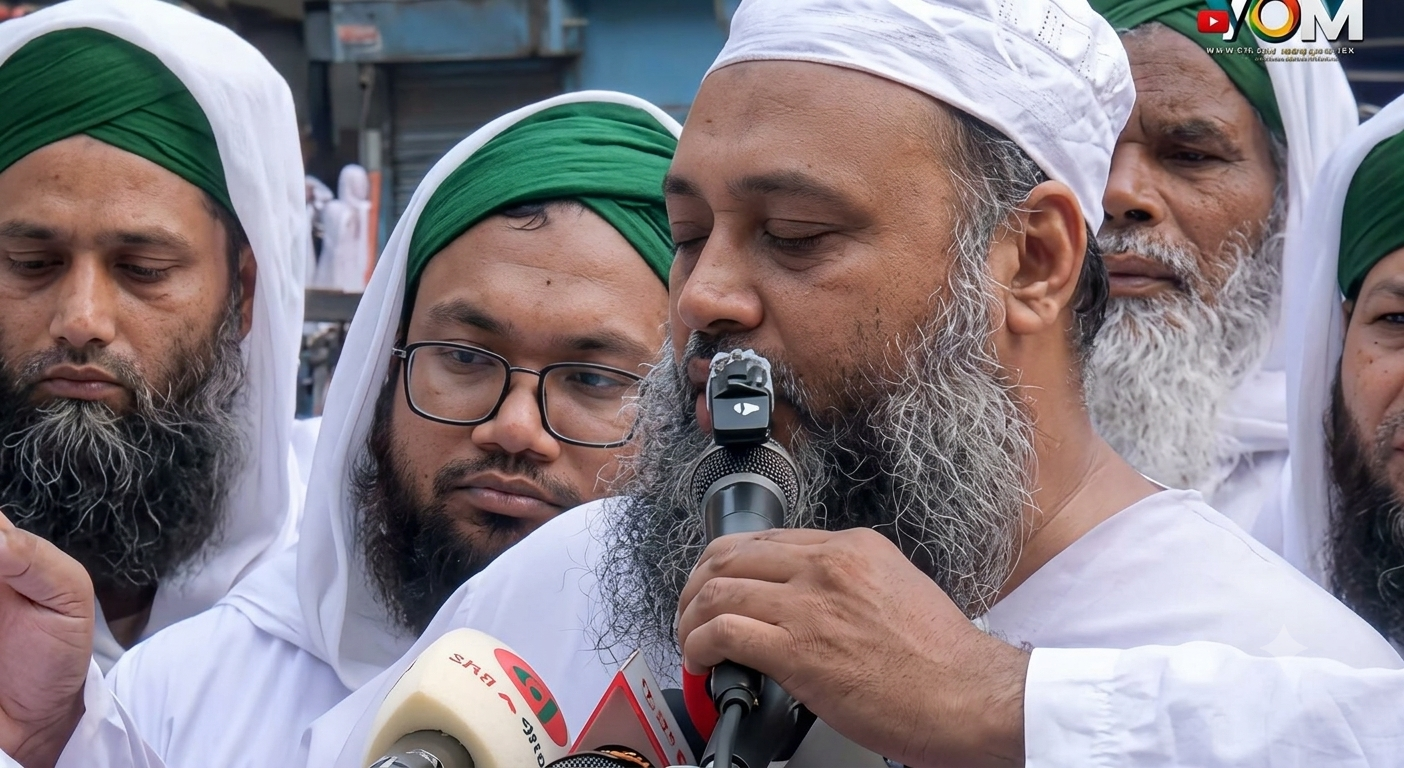
The Insaf Kayemkari Chhatra Sramik Janata publicly presented an eight-point charter attacking virtually every visible dimension of Durga Puja on 3rd October. The worship of Maa Durga was denounced as a “sinful and depraved” practice of shirk, while the five days of government holidays granted for Durga Puja were attacked on economic grounds.
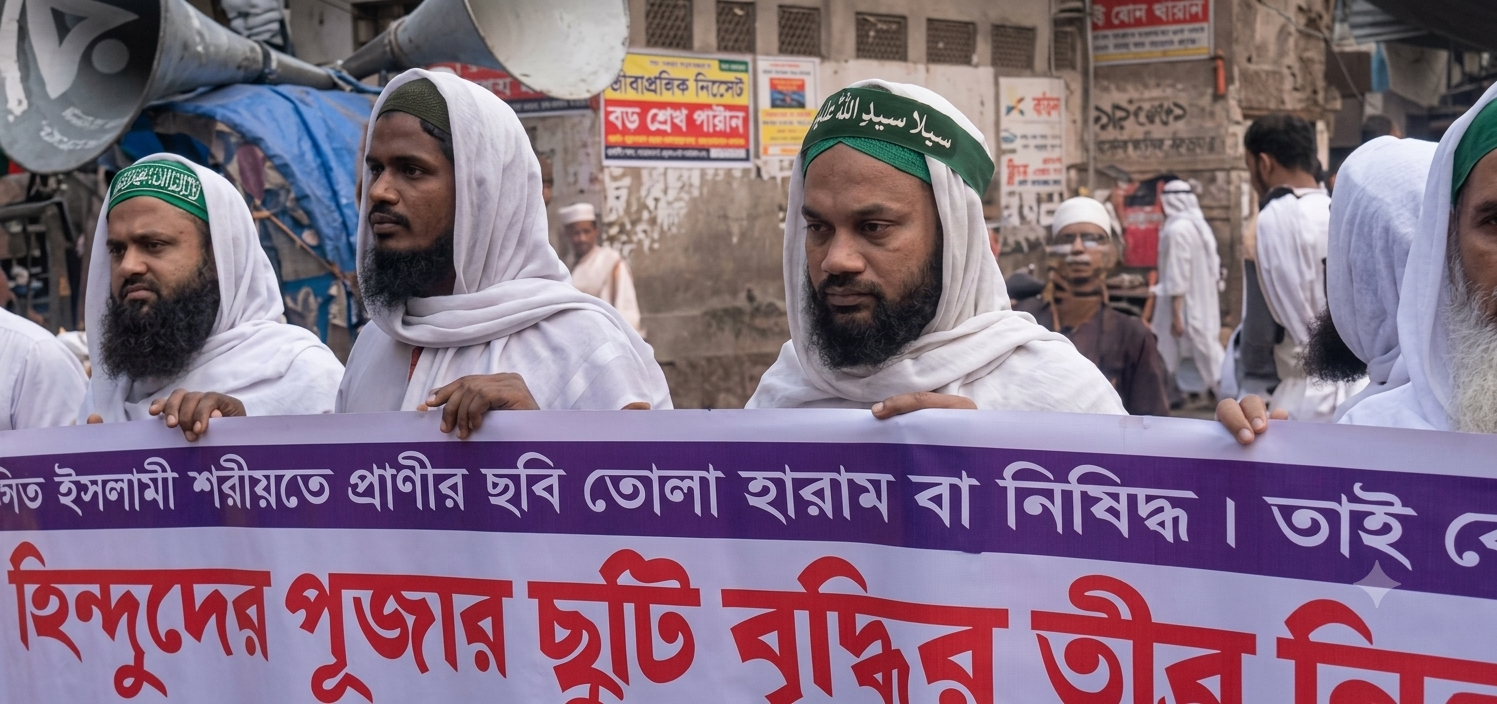
That economic argument is particularly revealing. Bangladesh’s government announced seven days of public holidays for Eid-ul-Fitr and seven for Eid-ul-Adha in 2026. Yet the same political pressure is being directed against five days granted for the principal religious festival of Bangladesh’s Hindu minority.
The demands go considerably further. The group wants Durga Puja mandaps confined to temple premises, effectively pushing Hindu religious art and public cultural expression out of the public sphere. It demands restrictions on the size and height of Durga idols and mandaps, punishment for violations, and a ban on traditional idol immersion, using environmental concerns as justification.
Then comes an extraordinary demand that every Durga Puja committee be compelled to protest the alleged persecution of Muslims in India, effectively making Bangladeshi Hindus responsible for injustices they neither committed nor control. It is collective political coercion masquerading as religious responsibility.
The charter also demands that the state withhold assistance for distributing rice to impoverished Hindus at Puja mandaps, while calling for a ban on exporting Hilsa to India during Durga Puja.
These are not isolated complaints about administration. Taken together, they constitute a blueprint for regulating a minority’s religion, public visibility, cultural expression, charitable practices and even its political speech.
The international silence is equally troubling. Every year, Bangladesh’s Hindus are expected to celebrate their greatest festival while navigating threats, restrictions and fear. Yet the institutions that speak endlessly about minority rights often become remarkably quiet when the minority is Hindu.
A civilisation does not disappear only when its temples are demolished. It begins disappearing when its festivals are pushed indoors, its symbols regulated, its traditions criminalised and its people taught to celebrate in fear.
Durga Puja is not a concession granted by the majority. It is a right exercised by citizens. Religious freedom means nothing if it exists only when the majority permits it.